
Category: Medications - Page 5
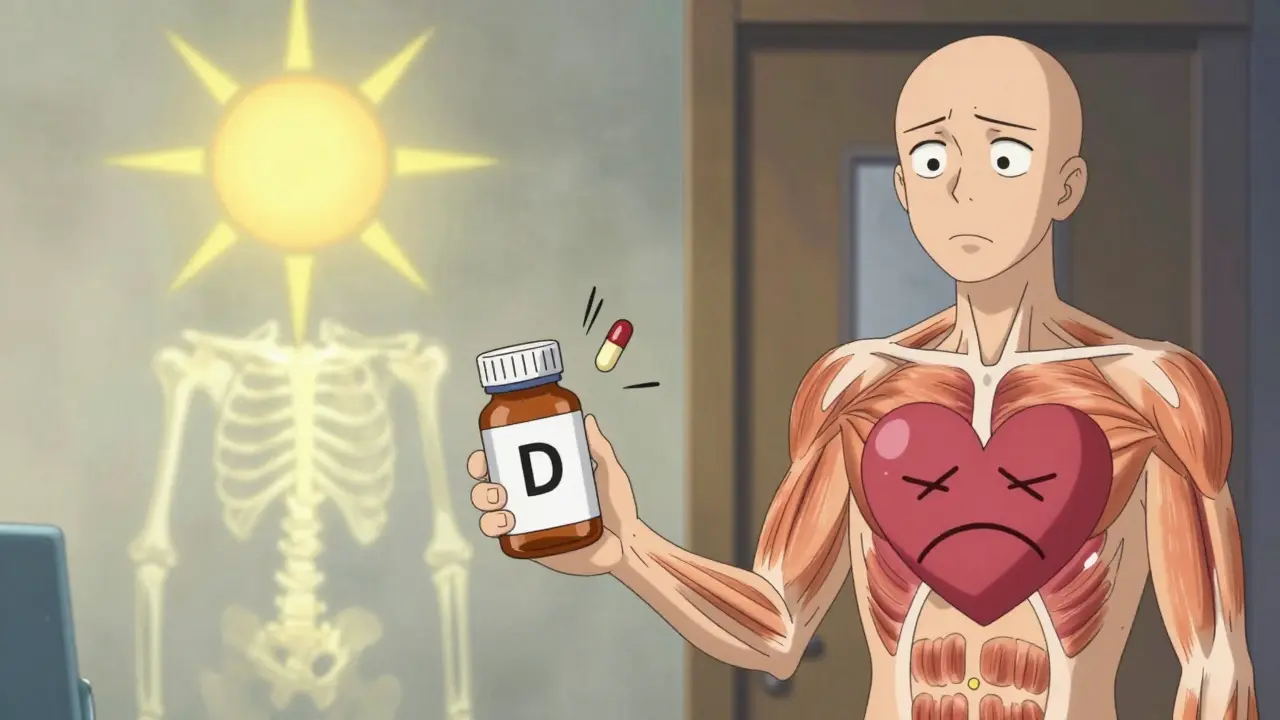
Vitamin D and Statins: What the Research Really Says About Their Interaction
Vitamin D doesn't prevent statin muscle pain, despite popular belief. Research shows no benefit, but many still take it. Here's what the science says about interactions, statin types, and what to do instead.

GLP-1 Agonists for Weight Loss: Real Benefits and Common Side Effects
GLP-1 agonists like Wegovy and Zepbound help people lose 10-21% of body weight, but come with nausea, high cost, and long-term use requirements. Learn how they work, who they’re for, and what to expect.
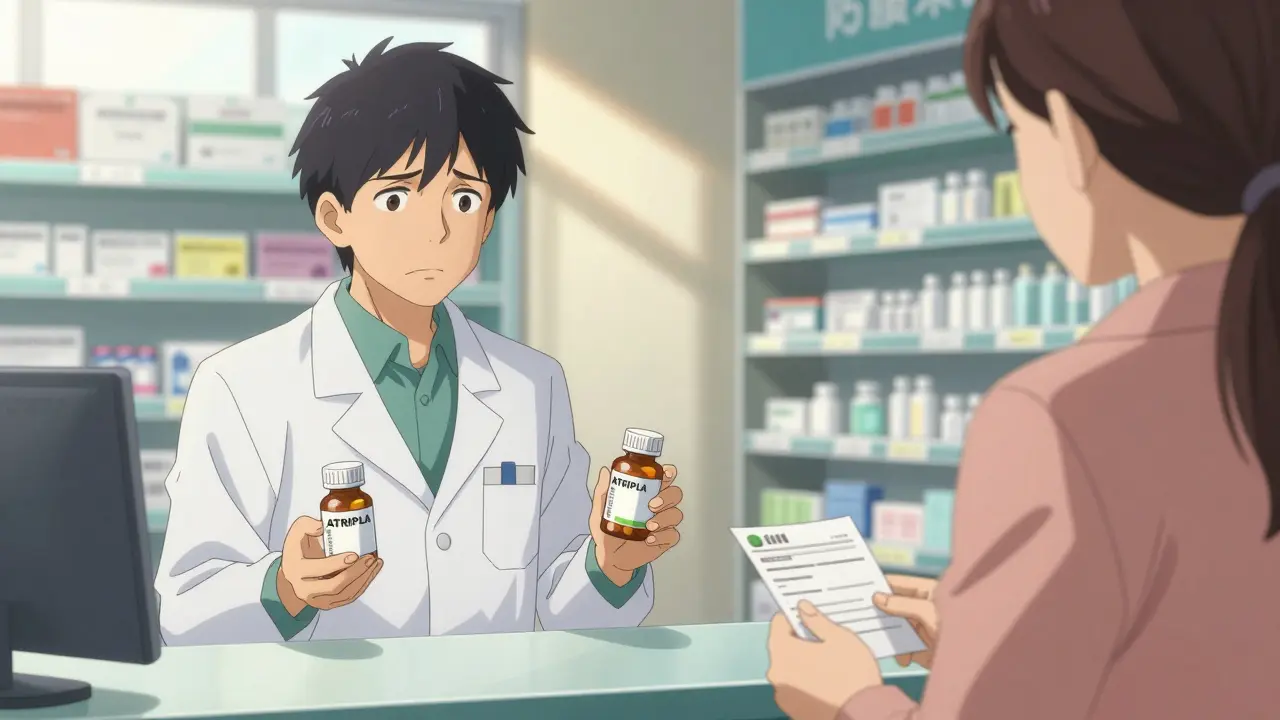
Combination Drug Substitution: Legal and Practical Challenges Explained
Combination drugs simplify treatment but create legal and safety challenges when pharmacists try to substitute them. Outdated laws, lack of generic options, and inconsistent state rules put patients at risk.
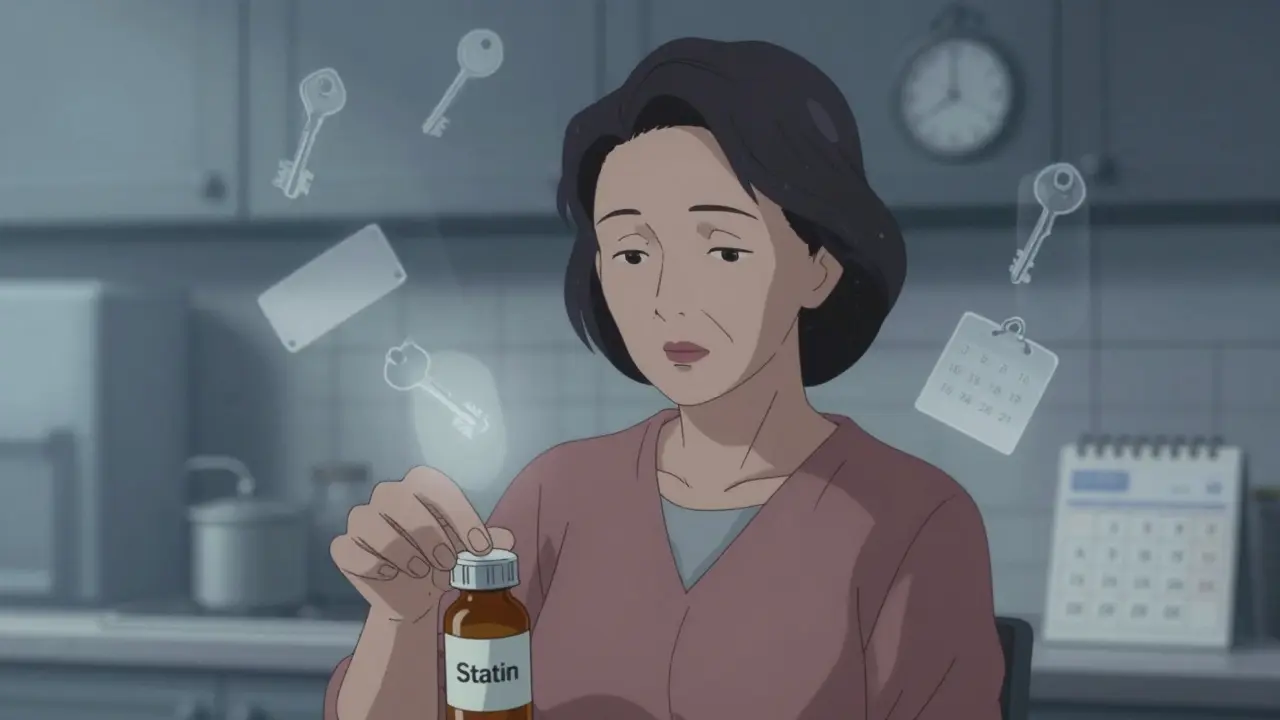
Statins and Memory Loss: What You Need to Know About Cognitive Side Effects
Statins can cause temporary memory issues in some people, but research shows these effects are rare, often reversible, and outweighed by heart protection. Learn who's most at risk and what to do if you notice cognitive changes.

Heat and Fentanyl Patches: How Warmth Can Cause Deadly Overdose
Fentanyl patches deliver powerful pain relief - but heat can cause deadly overdose. Learn how warmth from showers, fever, or heating pads can spike drug levels and stop breathing.

Compounded Medications: When Custom Formulas Are Needed for Personalized Care
Compounded medications offer custom solutions when standard drugs don't work-like removing allergens or changing dosage forms. But they're not FDA-approved, so safety depends on the pharmacy. Know when they're necessary and how to find a trusted provider.
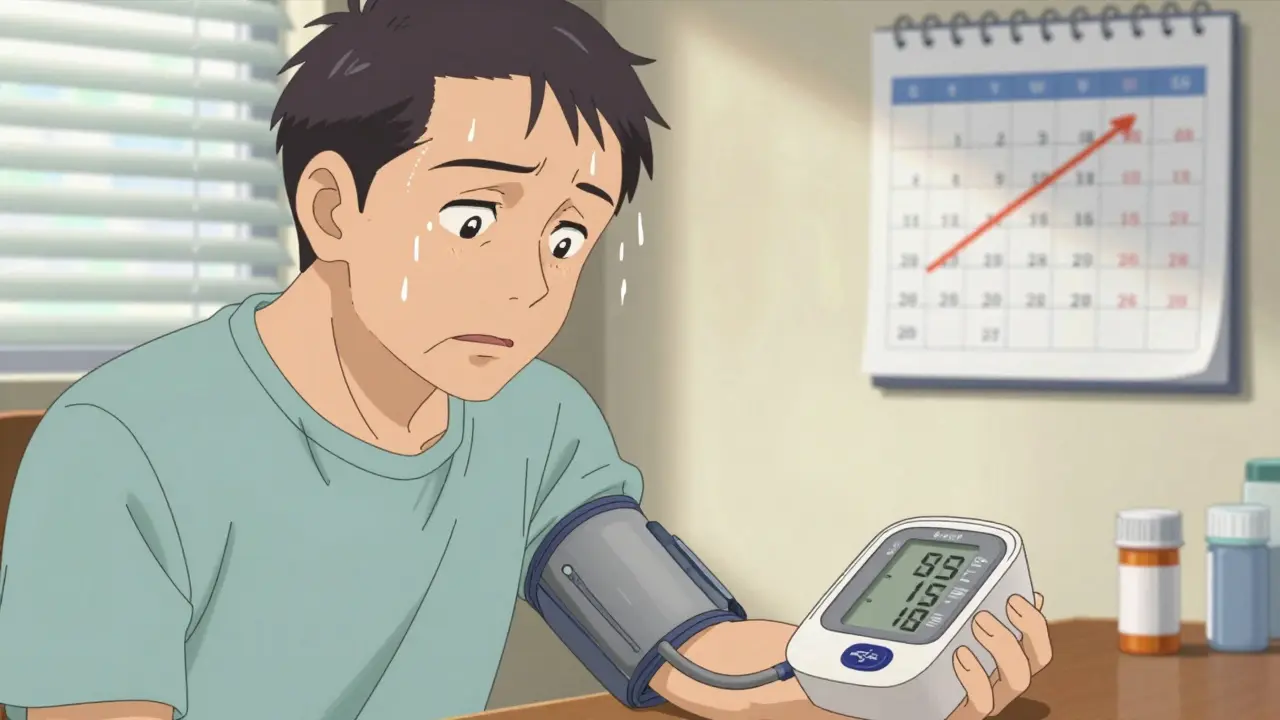
High Blood Pressure Caused by Certain Medications: How to Monitor and Manage It
Certain medications like NSAIDs, corticosteroids, and decongestants can raise blood pressure silently. Learn which drugs cause hypertension, how to monitor it, and what to do if your BP spikes-backed by clinical data and real-world cases.
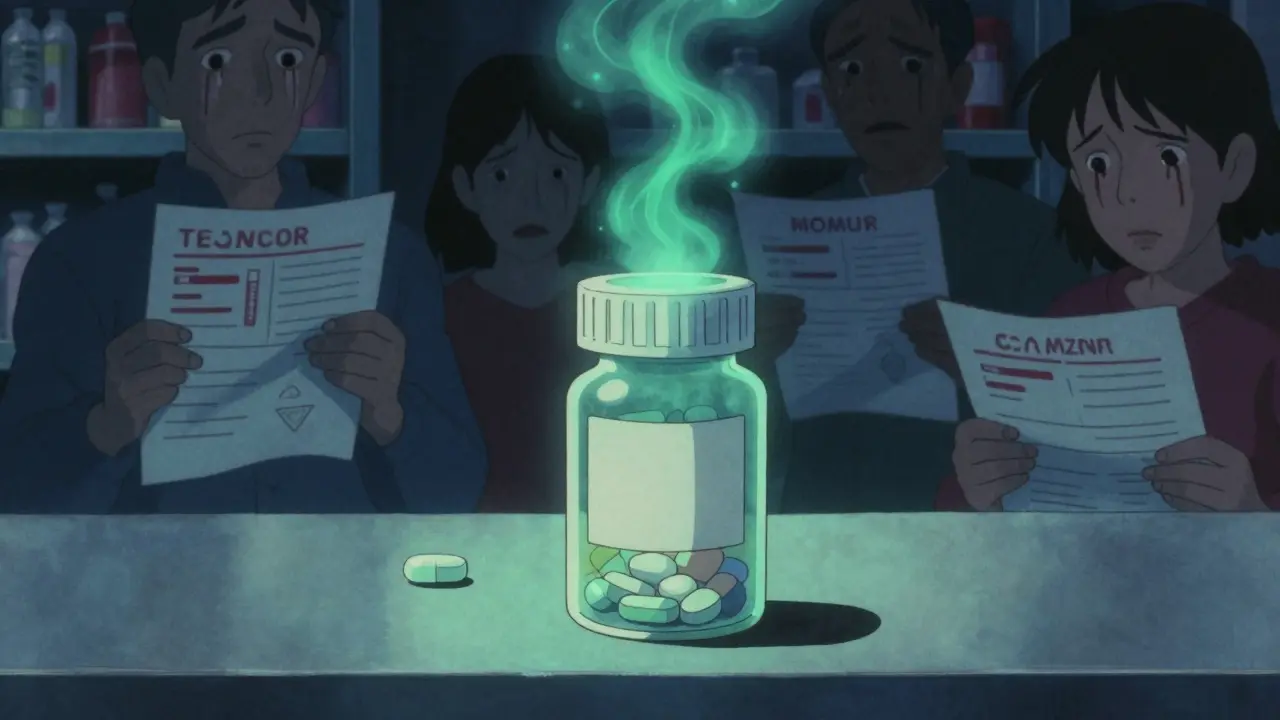
Contamination Issues in Generic Drugs: Recent Cases and How to Prevent Them
Recent contamination cases in generic drugs-including NDMA in blood pressure meds and benzene in Mucinex-have led to cancer, leukemia, and treatment failures. Learn how these toxins get in, who's making them, and what you can do to protect yourself.
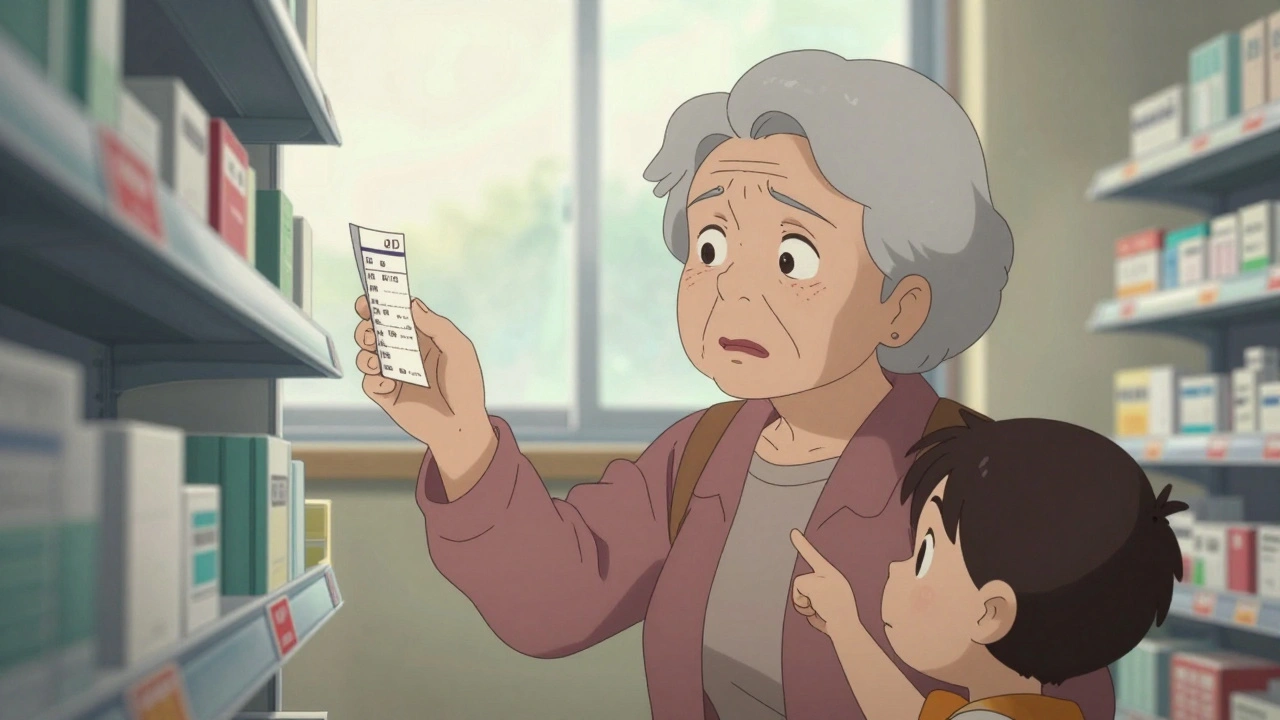
Medication Safety for Non-English Speakers: How to Get Clear, Understandable Instructions
Non-English speakers face dangerous risks when taking medication due to unclear labels. Learn how properly translated instructions, pictograms, and certified interpreters can prevent errors and save lives.
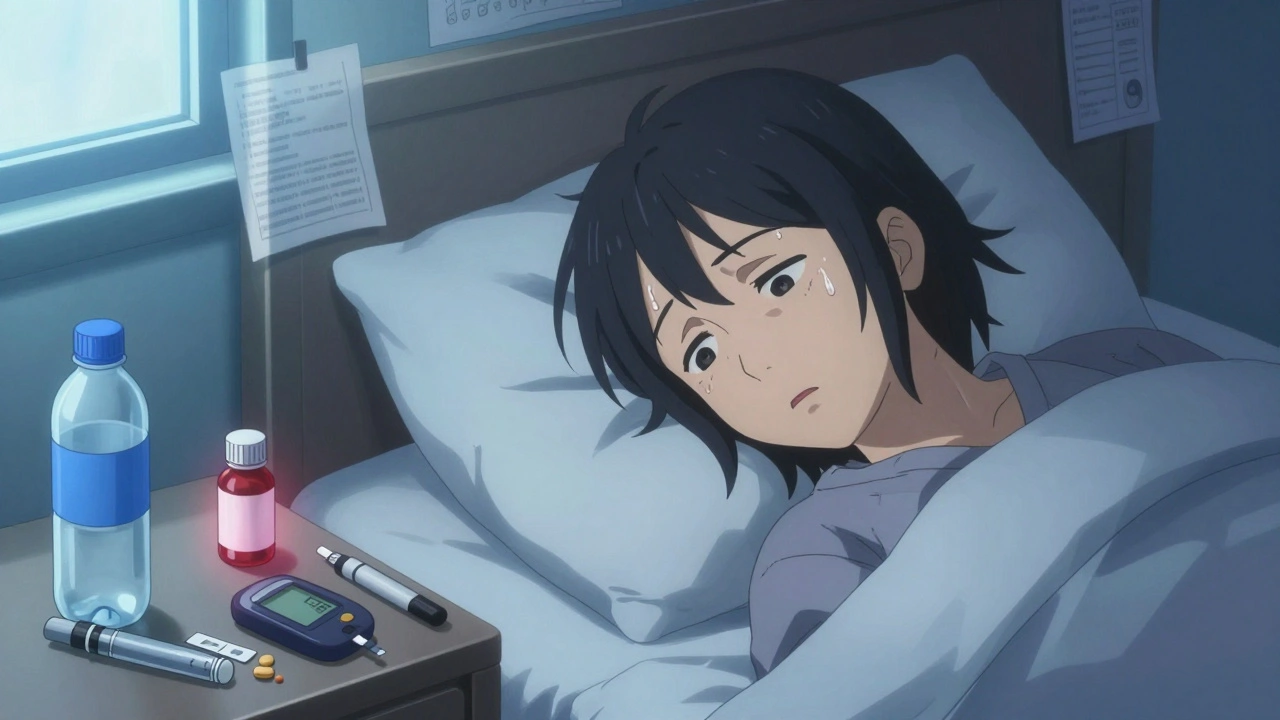
Sick Day Rules for Diabetes Medications: What to Stop, Start, or Keep When You're Ill
Learn exactly which diabetes medications to stop, adjust, or keep during illness to prevent life-threatening DKA and AKI. Clear, evidence-based rules for metformin, SGLT2 inhibitors, insulin, and blood pressure meds.