
Medication-Induced Hypertension Calculator
Medication Impact Calculator
Enter your medications and current blood pressure to see how they might be affecting you.
Your Blood Pressure Impact
What Is Medication-Induced Hypertension?
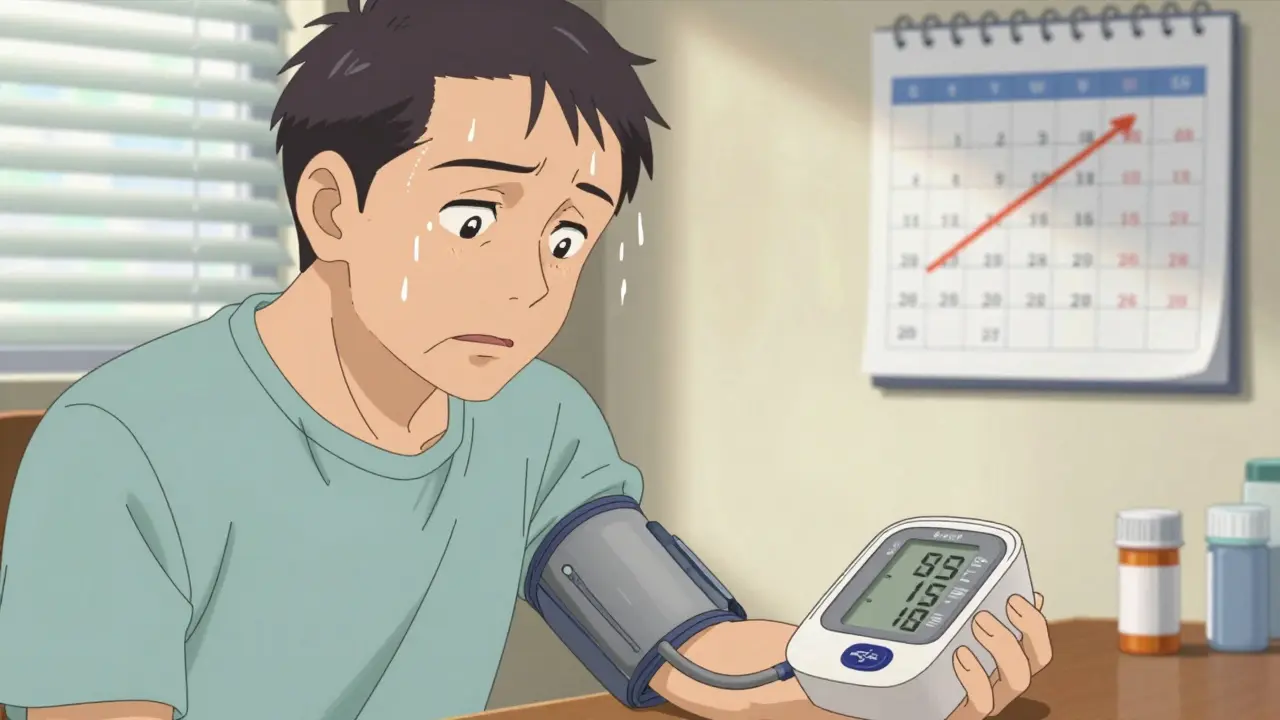
High blood pressure isn’t always caused by poor diet, stress, or genetics. Sometimes, it’s triggered by something you’re taking to feel better-like ibuprofen for a headache, prednisone for inflammation, or pseudoephedrine for a stuffy nose. This is called medication-induced hypertension, and it’s more common than most people realize. According to the American Heart Association, about 2-5% of all high blood pressure cases come from drugs, not lifestyle. That’s millions of people worldwide whose BP spikes because of something prescribed or bought over the counter.
It doesn’t happen to everyone, but the risk is real. For example, if you’re taking 400 mg of ibuprofen three times a day, your systolic blood pressure could jump by 5-10 mm Hg in just two weeks. If you already have high blood pressure, that’s enough to push you into a dangerous range. Corticosteroids like prednisone are even more powerful-up to 60% of people on long-term doses develop high BP. Even antidepressants like venlafaxine and ADHD meds like Adderall can raise your numbers. And many patients don’t even know it’s happening until they have a hypertensive crisis.
Which Medications Are Most Likely to Raise Your Blood Pressure?
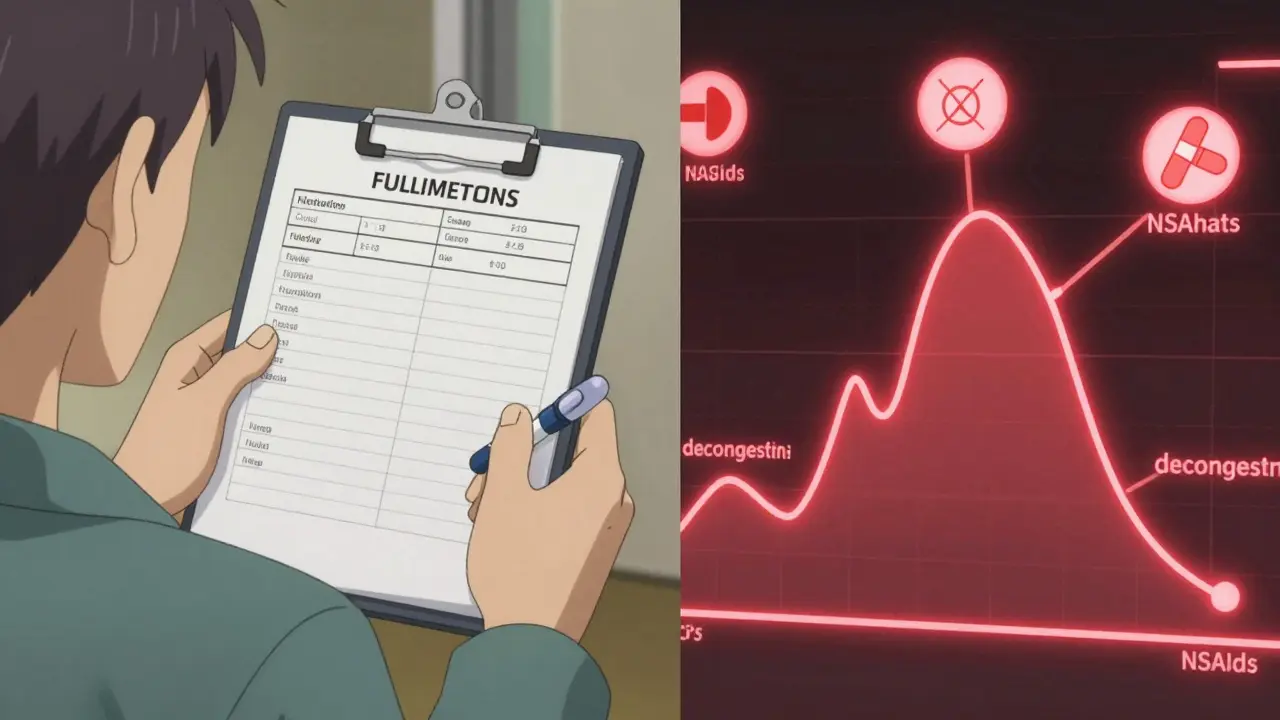
Not all meds affect blood pressure the same way. Some cause fluid retention, others tighten your blood vessels, and some overstimulate your nervous system. Here are the top offenders, backed by clinical data:
- NSAIDs (ibuprofen, naproxen): These common painkillers block enzymes that help your kidneys flush out sodium. Result? Fluid builds up, and your BP rises. Ibuprofen is the worst offender-12% of people with existing hypertension see a significant spike. Naproxen is slightly safer, but still risky.
- Corticosteroids (prednisone, dexamethasone): These drugs mimic cortisol, your body’s natural stress hormone. They cause your kidneys to hold onto salt and water, increasing blood volume. At doses over 20 mg/day for more than 4 weeks, over half of users develop high BP.
- Decongestants (pseudoephedrine, phenylephrine): Found in cold and allergy meds, these constrict blood vessels to reduce nasal swelling. But they also tighten arteries everywhere else. A single 60 mg dose of pseudoephedrine can raise systolic BP by 5-10 mm Hg within an hour.
- Antidepressants (venlafaxine, duloxetine): SNRIs like Effexor boost norepinephrine, a chemical that increases heart rate and tightens arteries. At doses above 150 mg/day, 8-15% of users develop clinically significant hypertension.
- ADHD stimulants (methylphenidate, amphetamine salts): These increase sympathetic nervous system activity. Dextroamphetamine raises BP in nearly 25% of users, especially at higher doses.
- Erythropoietin (Procrit): Used for anemia, this drug thickens the blood and increases vascular resistance. BP rises in 20-30% of patients, usually within weeks of starting treatment.
- HIV meds (HAART): Some antiretrovirals cause metabolic changes that lead to hypertension, especially in older adults. Around 18% of users see a rise in systolic pressure after 6 months.
Even herbal supplements like St. John’s Wort and licorice root can do this. Many patients don’t tell their doctors about these because they think “natural” means safe. It doesn’t.
How Do You Know If Your Medication Is Raising Your BP?
The problem with drug-induced hypertension is that it often has no symptoms. You won’t feel dizzy, get headaches, or notice anything different-until your BP hits 180/110 and you’re rushed to the ER. That’s why monitoring is critical.
Here’s what you should do if you’re on any of these meds:
- Get a baseline reading before starting the medication. Write it down.
- Check your BP at home twice a day for 7 days after starting, or after any dose increase. Use a validated upper-arm monitor, not a wrist one.
- Compare your readings to your baseline. If your systolic pressure jumps by 10 mm Hg or more, or your diastolic rises by 5 mm Hg or more, talk to your doctor.
- Don’t wait for symptoms. High BP silently damages your heart, kidneys, and brain.
For high-risk patients-those with kidney disease, diabetes, or existing hypertension-doctors should recommend ambulatory blood pressure monitoring (ABPM). This involves wearing a small device for 24 hours that takes readings every 20-30 minutes. It catches spikes that home checks might miss, especially at night or after taking a dose.
One patient in Perth, 68, started taking prednisone for rheumatoid arthritis. He checked his BP at home every morning and noticed it climbed from 128/80 to 152/94 in 10 days. He called his doctor, who adjusted his dose and switched him to a different anti-inflammatory. His BP dropped back to normal in three weeks.
How Is It Managed? Step-by-Step
Managing medication-induced hypertension isn’t about adding more pills-it’s about fixing the root cause. Here’s how it’s done:
Step 1: Review All Medications
Your doctor needs to see your full list: prescriptions, OTC meds, supplements, even cough syrups. Many patients forget to mention ibuprofen they take for back pain or pseudoephedrine they use for allergies. In fact, a 2023 study found that only 22% of doctors routinely ask hypertensive patients about NSAID use.
Step 2: Try Stopping or Reducing the Offending Drug
If possible, the first step is to stop or lower the dose of the medication causing the problem. For NSAIDs, this works in 60-70% of cases within 2-4 weeks. For decongestants, it’s even faster-often within days.
For example, if you need pain relief but can’t take NSAIDs, switch to acetaminophen (up to 3,000 mg/day). It doesn’t affect BP. If you need an anti-inflammatory, celecoxib (Celebrex) is a better choice-it raises BP by only 2.4 mm Hg on average, compared to 5.7 mm Hg for ibuprofen.
Step 3: Use the Right Blood Pressure Meds
If you can’t stop the drug (like corticosteroids for lupus or antidepressants for severe depression), you’ll need antihypertensives. But not all BP meds work equally here.
Best choices:
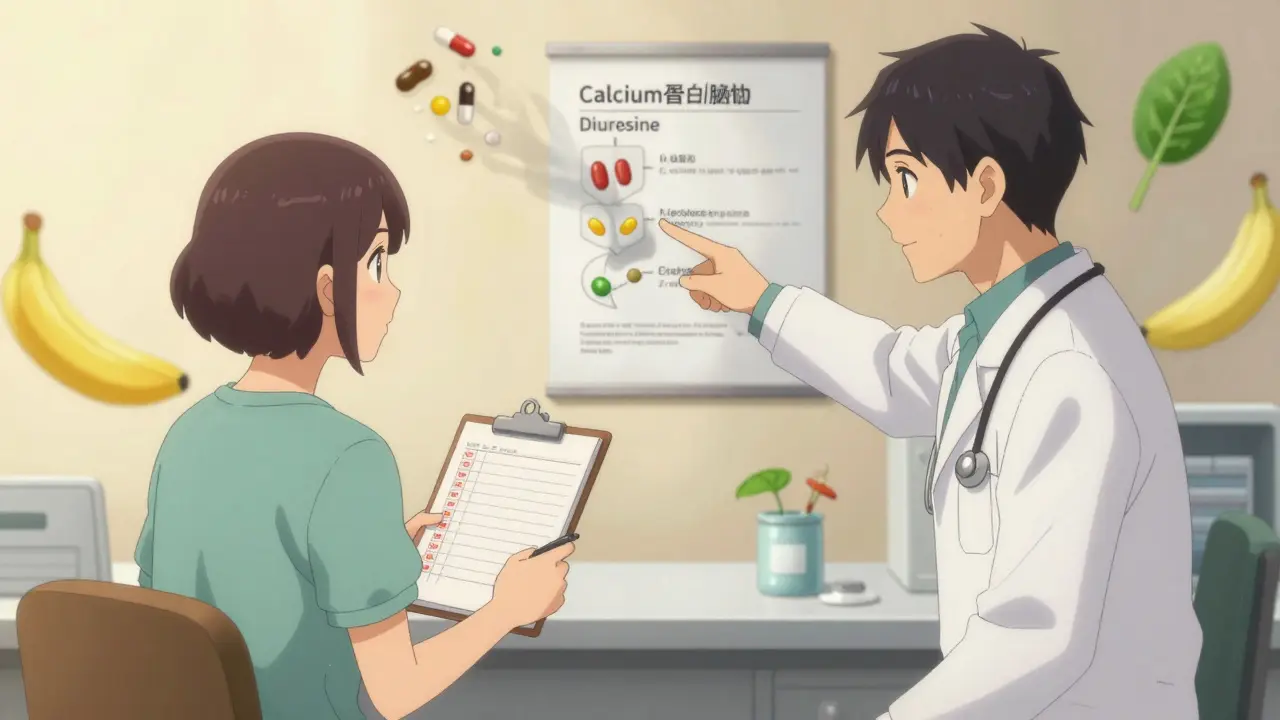
- Calcium channel blockers (amlodipine): These relax blood vessels. They work well against vasoconstriction from decongestants and stimulants. Response rate: 72%.
- Thiazide diuretics (hydrochlorothiazide): These help flush out excess sodium. Great for NSAID or steroid-induced fluid retention.
Avoid beta-blockers as first-line treatment. They’re ineffective against the main mechanisms of drug-induced hypertension. A 2022 trial showed only 45% of patients responded to beta-blockers, compared to 72% with calcium channel blockers.
Step 4: Lifestyle Changes That Help
Even if you’re on meds that raise BP, lifestyle can make a big difference:
- Sodium under 1,500 mg/day-cut back on processed food, canned soups, and salty snacks.
- Potassium over 2,500 mg/day-eat bananas, spinach, sweet potatoes, beans. Potassium helps your body get rid of sodium.
- 150 minutes of walking or cycling per week-moderate exercise improves blood vessel function.
A 2023 meta-analysis showed these changes alone can lower BP by 5-8 mm Hg. That’s the same as one pill.
Why Most Doctors Miss This
Here’s the uncomfortable truth: many doctors don’t check for drug-induced hypertension. Why?
- They assume high BP is “essential” (no clear cause) and focus on treating numbers, not causes.
- They don’t ask about OTC meds or supplements.
- They’re not trained to recognize the subtle patterns-like a BP spike that started exactly when a new med was added.
On Reddit’s r/Hypertension, over 60% of people who posted about this said they were never warned by their doctor. One man took ibuprofen daily for 5 years and only found out it was raising his BP after a stroke. Another woman took pseudoephedrine for years for sinus issues and ended up in the hospital with a BP of 190/110.
Dr. William B. White, former president of the American Society of Hypertension, says: “About 15-20% of patients referred for resistant hypertension have undiagnosed drug-induced hypertension.” Resistant hypertension means BP won’t go down even with three meds. Often, the fix is simple: stop one pill.
What You Can Do Right Now
You don’t need to wait for your next appointment. Here’s your action plan:
- Make a full list of everything you take: name, dose, frequency, reason. Include vitamins, herbs, and OTC meds.
- Check your home BP twice a day for a week. Record it in a notebook or app.
- Look for patterns. Did your BP rise after starting a new med? Did it drop when you stopped something?
- Ask your doctor: “Could any of my meds be raising my blood pressure?” Don’t wait for them to ask.
- Don’t stop meds cold. Some, like steroids or antidepressants, need to be tapered. Talk to your doctor first.
If you’re on a medication that’s known to raise BP and your numbers are climbing, don’t assume it’s just “aging” or “stress.” It might be the pill you’re taking to feel better.
What’s Changing in 2025?
Things are improving, slowly. In 2022, the FDA required stronger warning labels on NSAIDs about blood pressure risks. In 2023, the American College of Cardiology launched a free online calculator that estimates your BP risk based on your meds. By 2024, new guidelines will push for routine medication reviews in all hypertension patients.
Pharmacist-led medication reviews are also gaining traction. A major NIH trial (MED-BP) showed that when pharmacists reviewed patients’ drug lists, uncontrolled hypertension dropped by 28% in just 6 months. This is the future of care: teamwork between doctors, pharmacists, and patients.
The bottom line? High blood pressure caused by medication is preventable, reversible, and often missed. You have the power to spot it. Start monitoring. Ask questions. Don’t let a pill meant to heal you end up harming you.
Sachin Bhorde
December 15, 2025 AT 12:49Joe Bartlett
December 15, 2025 AT 15:09Chris Van Horn
December 17, 2025 AT 03:49Virginia Seitz
December 18, 2025 AT 08:16Peter Ronai
December 20, 2025 AT 05:13Steven Lavoie
December 21, 2025 AT 18:48Michael Whitaker
December 22, 2025 AT 09:35Kent Peterson
December 23, 2025 AT 05:03Josh Potter
December 24, 2025 AT 06:35Evelyn Vélez Mejía
December 24, 2025 AT 10:45Meghan O'Shaughnessy
December 26, 2025 AT 10:07Kaylee Esdale
December 26, 2025 AT 12:12Pawan Chaudhary
December 28, 2025 AT 11:09