

Statin Cognitive Side Effects Calculator
Your Results
When you start taking a statin, you’re doing it to protect your heart. But some people notice something unexpected: trouble remembering names, forgetting where they put their keys, or feeling mentally foggy. It’s not rare. And it’s not just in their head. The FDA added memory loss and confusion to statin labels back in 2012 after thousands of reports came in. But here’s the twist-most of those cases went away when people stopped the medication. And for many, the memory issues never showed up on a formal test.
How Statins Work (And Why They Might Affect Your Brain)
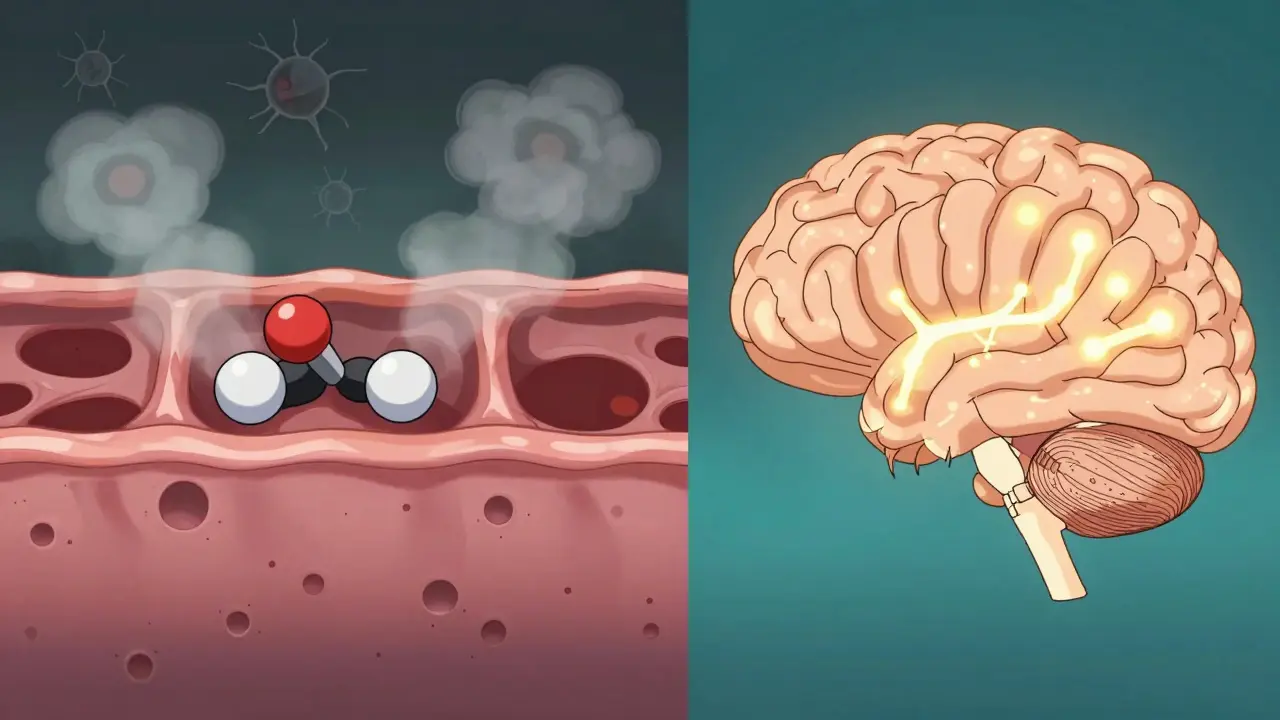
Statins block an enzyme called HMG-CoA reductase, which your liver uses to make cholesterol. Lower cholesterol means less plaque in your arteries, fewer heart attacks, and fewer strokes. That’s why over 39 million Americans take them. But cholesterol isn’t just bad for your heart-it’s also a building block in your brain. Brain cells need it to form connections, send signals, and repair themselves.
Some statins, like simvastatin and atorvastatin, are lipophilic. That means they can slip through the blood-brain barrier more easily. Others, like pravastatin and rosuvastatin, are hydrophilic-they mostly stay in your bloodstream. A 2023 analysis of nearly 50,000 patients found that lipophilic statins were linked to 42% more self-reported memory complaints than hydrophilic ones. But here’s the key: when researchers tested actual memory and thinking skills, there was no real difference. People felt like their brain was foggy, but their test scores didn’t show it.
The Real Story Behind the Memory Reports
It’s easy to blame a new pill when you start noticing forgetfulness. But sometimes, it’s not the drug-it’s the fear of the drug. That’s called the nocebo effect. If you read online that statins cause memory loss, your brain might start looking for signs of it. A 2020 study found that 28% of statin users said they had memory problems, but only 8% failed a standard cognitive test. That gap tells you something important: perception doesn’t always match reality.
And it’s not just statins. A 2015 JAMA Internal Medicine study found that people taking non-statin cholesterol drugs also reported sudden memory loss at similar rates. That suggests the issue might be about timing, not chemistry. When you start any new medication, you pay more attention to your body. You notice things you didn’t before. A missed appointment or a blank moment feels bigger. It’s not necessarily the statin-it’s the awareness.
What the Science Says About Dementia Risk
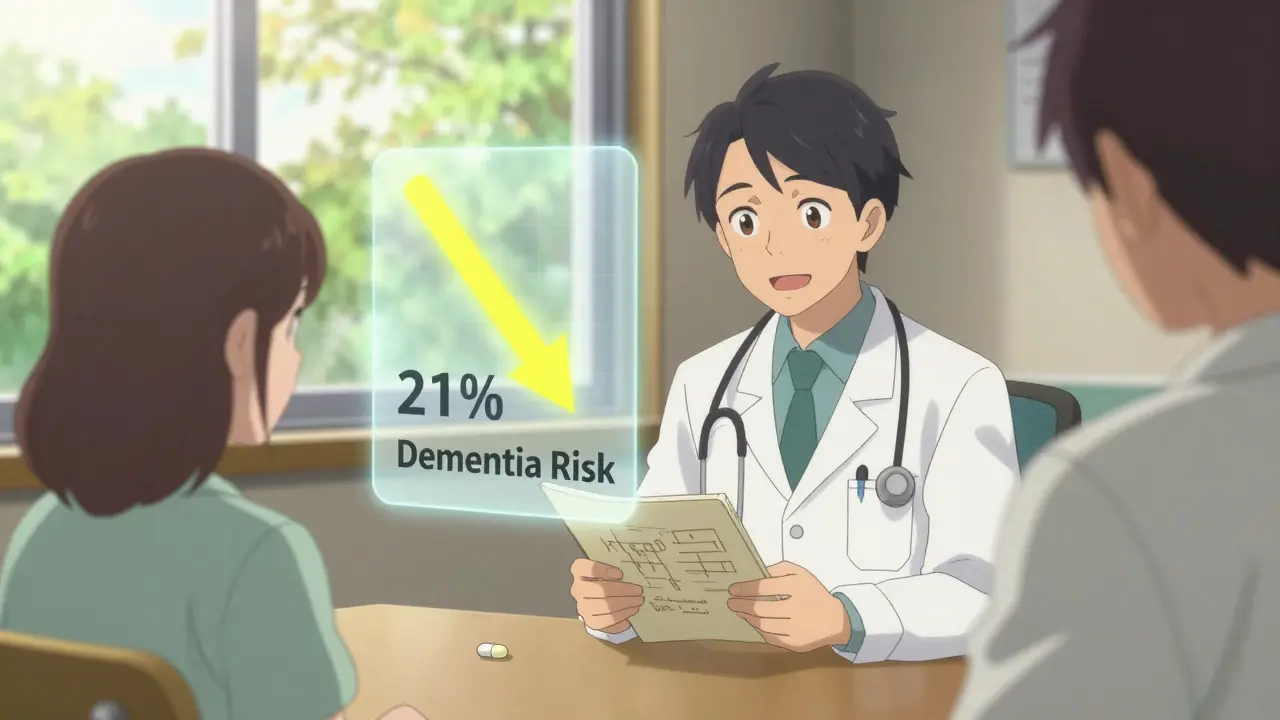
Here’s where it gets even more interesting. While some people worry about memory loss, the big picture shows statins might actually protect your brain. A 2022 analysis of 36 studies involving over 1.2 million people found that statin users had a 21% lower risk of developing dementia. The biggest drop? 33% fewer cases of vascular dementia-the kind caused by poor blood flow to the brain. That makes sense. If statins keep your arteries clear, they’re also keeping blood flowing to your brain.
The Rotterdam Study, which followed 12,567 people for 15 years, found that statin users had 27% less dementia over time. The Alzheimer’s Society and the American Heart Association both agree: for people who need statins, the brain protection likely outweighs the rare chance of temporary memory fuzziness.
Who’s Most at Risk for Cognitive Side Effects?
Not everyone has the same experience. The people who report memory issues tend to share a few patterns:
- Symptoms show up within 30 to 60 days of starting the statin
- They’re more common with lipophilic statins like simvastatin or atorvastatin
- They often disappear within weeks after stopping the drug
- They’re more likely to be reported by older adults, especially women over 65
A 2003 study looked at 60 case reports and found that half of the people noticed changes within two months. Of those who stopped the statin, 56% got better. And when they tried the same drug again, 4 out of 25 had the problem come back. That’s a strong clue-it’s not random.
But here’s the catch: most of these reports came from people who were already worried about their memory. The same people who track their sleep, count their steps, and read every label on their medicine are also the ones most likely to notice-and report-small changes.
What to Do If You Think Statins Are Affecting Your Memory
If you’re noticing memory lapses after starting a statin, don’t panic. Don’t quit cold turkey. Talk to your doctor. Here’s what works:
- Track your symptoms. Write down when you forget things, how often, and what you were doing. Is it just names? Or are you missing appointments, misplacing things, or struggling to follow conversations?
- Ask about switching statins. Try switching from simvastatin or atorvastatin to pravastatin or rosuvastatin. These don’t cross into the brain as easily. Many people report feeling clearer within weeks.
- Ask for a short break. A 4- to 6-week pause-called a “statin holiday”-can tell you if the statin is the cause. If your memory improves, then you restart it. If the fog comes back, it’s likely the drug. If it doesn’t change, the problem is something else.
- Check for other causes. Low vitamin B12, thyroid problems, sleep apnea, depression, and even dehydration can mimic memory loss. A simple blood test can rule these out.
The American Academy of Neurology says this approach works in 82% of cases. That’s not a guess-it’s based on real patient outcomes from the Mayo Clinic.
Should You Stop Taking Statins Because of Memory Concerns?
No-not unless your doctor says so. The risk of a heart attack or stroke if you stop statins is far greater than the risk of long-term memory damage. The European Society of Cardiology says clearly: don’t stop statins just because you feel a little foggy. But do get it checked.
Doctors know this is a common concern. In a 2021 survey of over 1,000 U.S. physicians, 78% said they keep patients on statins even if they have mild memory complaints-unless the symptoms are severe and clearly started right after the statin was prescribed.
And here’s the bottom line: if you’re on a statin because you’ve had a heart attack, have diabetes, or have high LDL cholesterol, the benefits are massive. Stopping could cost you your life. The memory issue? It’s usually temporary, rare, and reversible.
What’s Next? Research Is Still Evolving
Scientists are still digging into why this happens. A 2023 study in Nature Communications found that statins might affect memory in two ways: by lowering LDL too much (which the brain needs) and by slightly raising blood sugar. Together, these two factors explained about 37% of the short-term cognitive changes seen in some users.
A big NIH-funded trial called STATIN-COG is tracking 3,200 people over five years with yearly brain scans and memory tests. Results are expected in late 2024. Until then, we work with what we know.
Bottom line: if you’re on a statin and you’re worried about your memory, you’re not alone. But you’re also not at high risk for permanent damage. Most cases are mild, temporary, and fixable. The right statin, the right dose, and the right conversation with your doctor can make all the difference.
Stacey Smith
December 19, 2025 AT 21:13Meina Taiwo
December 20, 2025 AT 02:27Adrian Thompson
December 20, 2025 AT 17:33Cameron Hoover
December 22, 2025 AT 08:26Southern NH Pagan Pride
December 22, 2025 AT 21:31Jackie Be
December 24, 2025 AT 10:48Ben Warren
December 24, 2025 AT 16:58Orlando Marquez Jr
December 26, 2025 AT 10:09John Hay
December 26, 2025 AT 15:36