
Medications: Practical guides, safe buying tips, and trusted drug info
Looking for clear, no-nonsense help with medications? This page brings our best guides together — from how to buy meds online safely to drug interactions and smart alternatives. You’ll find specific how-tos (like buying colchicine or pioglitazone), plus plain-language advice you can use today.
How to buy meds online safely
Start with the basics: only use pharmacies that ask for a prescription when the drug needs one. Check the pharmacy’s contact info, look for a verifiable license, and read recent customer reviews. If a price looks far too low, that’s a red flag — counterfeit or expired drugs are sold that way. Use secure payment methods and avoid wire transfers or unusual payment apps.
Compare generic vs brand names. Generics have the same active ingredient and are usually cheaper. Still, confirm the active ingredient and dosage match your prescription. If your pharmacy ships internationally, check shipping times and customs rules so you don’t run out of medicine mid-treatment.
Quick practical checks before you order
Scan the product page for lot numbers, expiration dates, and a proper ingredient list. When in doubt, call the pharmacy and ask for a pharmacist — a real one will answer basic questions about side effects and interactions. Keep your doctor in the loop: tell them where you plan to buy the drug and confirm the dose.
Watch for interactions. Some meds don’t mix well — for example, osteoporosis drugs like alendronate need special timing around food and other meds. If you start a new drug, check for common interactions or ask your provider to run a quick check.
We also cover safer alternatives. If ciprofloxacin, esomeprazole, or Viagra aren’t right for you, our guides list other options and the trade-offs for each. For chronic pain, we explain when indomethacin might work better than other NSAIDs. For infections or TB, there’s clear guidance on drugs like isoniazid and how to get them legally.
If you’re shopping for OTC pain relief like Motrin, we explain dosing, what to avoid, and how to store it. For diabetes meds such as pioglitazone, our articles explain safety points and trusted sources for reliable supply.
Use this page as a hub: click any article to get step-by-step buying tips, legal points, side-effect lists, and monitoring advice. Each guide focuses on practical steps you can take now — whether that’s talking to your doctor, checking a pharmacy license, or choosing a safer alternative.
Need help finding a specific article? Search or browse the list on this page to jump straight to colchicine, pioglitazone, indomethacin, isoniazid, Motrin, antibiotic alternatives, acid reflux options, Viagra alternatives, or alendronate interactions. Stay safe, ask questions, and keep your treatment on track.

How to Confirm Pediatric Dosing on a Child's Prescription Label
Learn how to safely confirm pediatric dosing on prescription labels by verifying weight-based calculations, understanding concentrations, and asking pharmacists the right questions.
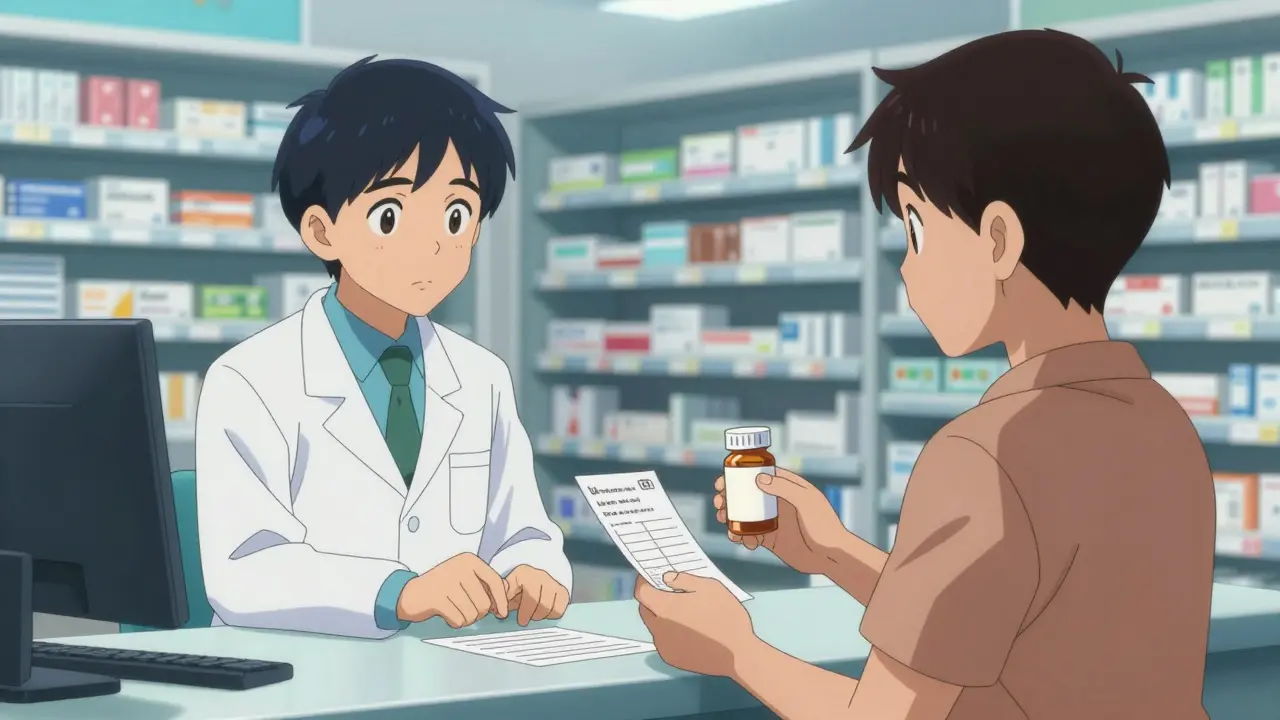
How to Confirm Pharmacist Notes and Counseling Points after Pickup
Learn how to verify pharmacist counseling notes after prescription pickup to prevent medication errors. This guide covers app access, legal rights, and troubleshooting tips for major pharmacy chains.

How to Store Controlled Substances to Prevent Diversion in Healthcare Settings
Learn how to securely store controlled substances in healthcare settings to prevent theft and diversion. Key strategies include dual access controls, automated dispensing cabinets, daily audits, and banning personal bags near meds.

Pregnancy and Lactation Labeling Rule (PLLR): How to Read Drug Safety Info
The FDA's Pregnancy and Lactation Labeling Rule (PLLR) replaced outdated letter categories with detailed, evidence-based safety info for pregnant and breastfeeding women. Learn how to read the new sections and make informed decisions.

How FDA Ensures Generic Drug Quality During Manufacturing
The FDA ensures generic drug quality through strict cGMP standards, unannounced inspections, and rigorous testing at every manufacturing stage. This system guarantees that generic drugs are as safe and effective as brand-name versions.

Lupus Arthritis and Hydroxychloroquine: How This Medication Reduces Joint Inflammation and Prevents Flares
Hydroxychloroquine is the cornerstone treatment for lupus arthritis, reducing joint inflammation, preventing flares, and protecting against organ damage. Learn how it works, why it takes months to show results, and how to stay safe while using it.

Vitamin K Foods on Warfarin: How to Stay Consistent and Avoid Dangerous INR Fluctuations
Learn how to manage vitamin K foods while on warfarin without restricting your diet. Discover the science behind INR stability, which foods to track, and how consistency beats avoidance for safer blood thinning.

Digital Pill Sensors: How They Track Medication Use and Detect Side Effects
Digital pill sensors track when you take your medication and can now detect early side effects through physiological data. Used in mental health, HIV, and heart disease, they’re changing how doctors monitor treatment - but privacy and cost remain barriers.
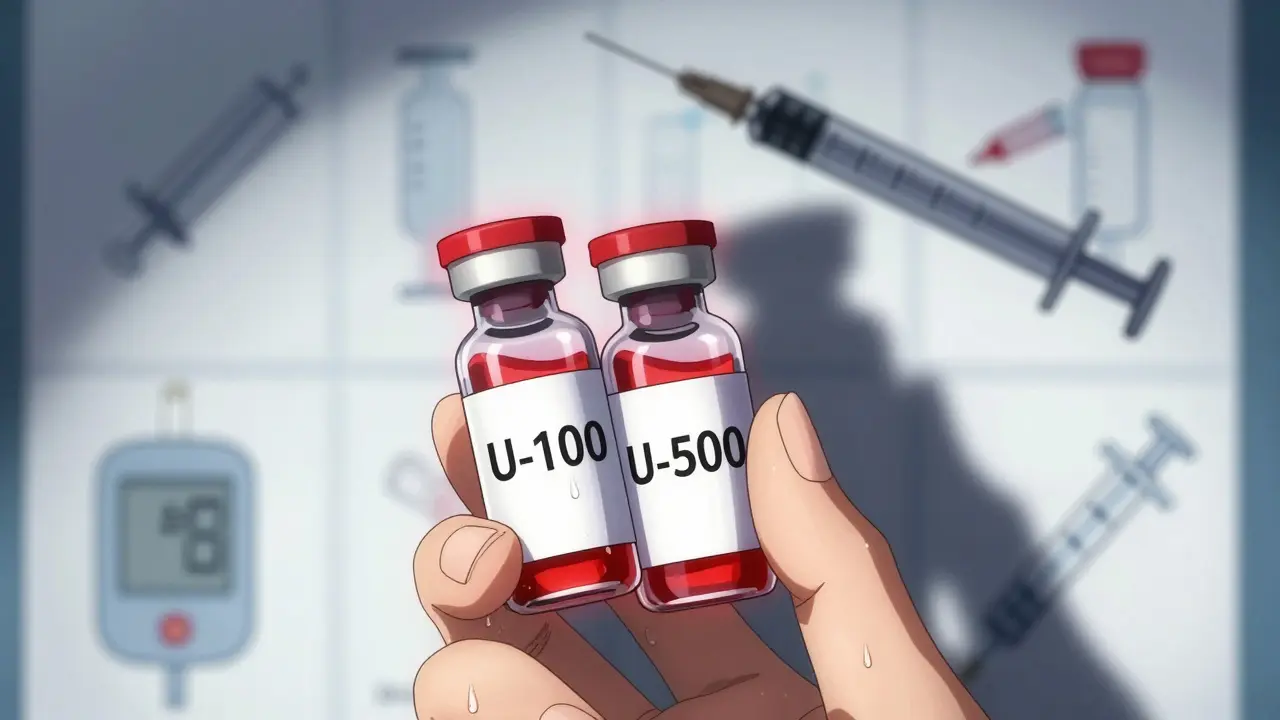
Diabetes Medications Safety Guide: Insulin and Oral Agents Explained
Learn the real safety risks of insulin and oral diabetes meds-hypoglycemia, kidney concerns, drug interactions, and how to avoid dangerous mistakes. Essential info for anyone managing type 1 or type 2 diabetes.

How to Manage Mild Side Effects Without Stopping a Medication
Learn how to manage common mild side effects like nausea, dry mouth, and fatigue without stopping your medication. Evidence-based tips from pharmacists and clinical studies help you stay on track and improve adherence.