
Therapeutic Equivalence: What It Means for Your Medication Safety and Savings
When your pharmacist hands you a different pill than what your doctor prescribed, it’s not a mistake—it’s therapeutic equivalence, a regulatory standard that means two drugs have the same active ingredient, strength, dosage form, and work the same way in your body. Also known as bioequivalence, it’s the invisible rule that lets pharmacies swap brand drugs for cheaper generics without risking your health. This isn’t just about saving money. It’s about making sure that the $10 generic you pick up at the store does exactly what the $100 brand name was supposed to do—no less, no more.
Therapeutic equivalence isn’t decided by guesswork. The FDA evaluates every generic drug using strict testing to prove it releases the same amount of medicine into your bloodstream at the same speed as the original. If it passes, it gets an AB rating, a code that tells pharmacists and doctors the generic is interchangeable with the brand. This system keeps you safe when switching from brand to generic, or even between different generic brands. But not all drugs are equal in this system. Some, like blood thinners or epilepsy meds, need extra caution—even if they have an AB rating—because tiny differences can matter more in your body. That’s why your doctor might write "dispense as written" on the prescription, or why your pharmacist might call to confirm before swapping.
Therapeutic equivalence also explains why you sometimes get a different-looking pill even when nothing changed on your prescription. Generic makers don’t have to match the brand’s color, shape, or flavor—just the medicine inside. And sometimes, the same brand company sells its own generic version under a different name. These are called authorized generics, exact copies of the brand drug sold at lower prices, often with no difference in packaging or inactive ingredients. They’re not cheaper because they’re lower quality—they’re cheaper because the patent protection is gone.
Knowing about therapeutic equivalence helps you ask the right questions. Is this switch safe for me? Why did my pill change again? Can I trust this generic? You don’t need to be a pharmacist to understand the basics. If you’re on a medication where consistency matters—like thyroid medicine, seizure drugs, or anticoagulants—keep an eye on the pill’s appearance and talk to your pharmacist every time you refill. They’re trained to spot when a substitution might need extra care.
Below, you’ll find real-world guides that dig into how drug substitutions work, what happens when generics hit the market, how to track your meds safely, and when to push back on a switch. Whether you’re switching from brand to generic, dealing with a new prescription, or just trying to understand why your pills look different, these posts give you the facts without the jargon.
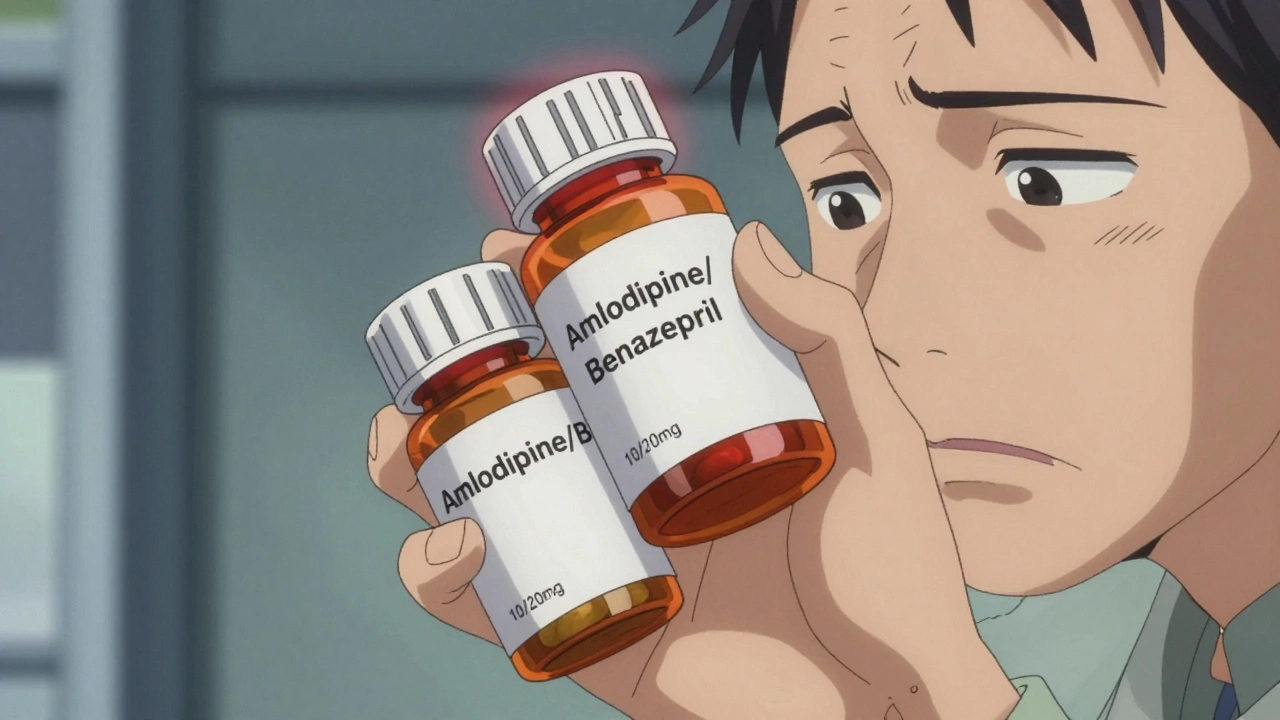
Managing Therapeutic Equivalents in Combination Drugs: Dose Differences and Real-World Risks
Managing therapeutic equivalence in combination drugs requires more than matching active ingredients. Dose differences, formulation changes, and narrow therapeutic index drugs can lead to serious risks - even when generics are FDA-approved.
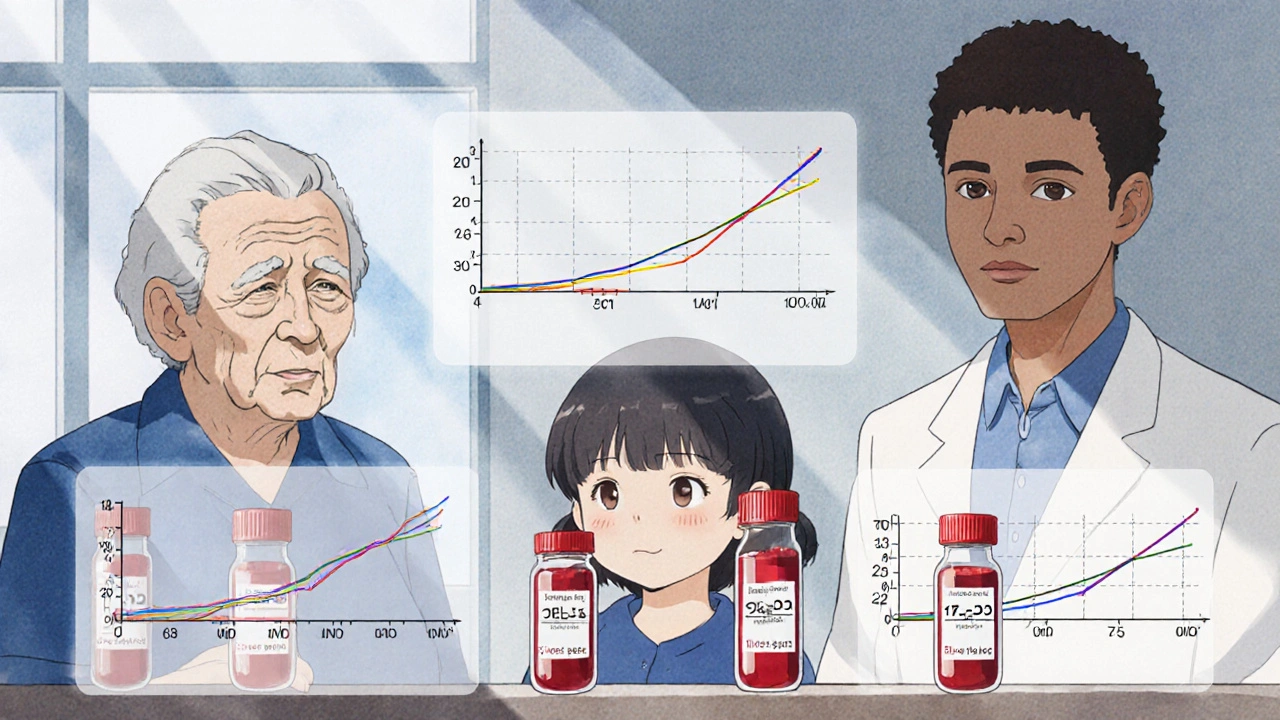
Population Pharmacokinetics: How Data Proves Drug Equivalence Beyond Traditional Bioequivalence Studies
Population pharmacokinetics uses real-world patient data to prove drug equivalence across diverse populations, offering a more accurate and ethical alternative to traditional bioequivalence studies.