
Supplement Labels: What You Need to Know About Ingredients, Dosages, and Safety
When you pick up a bottle of supplement labels, the printed information on dietary supplement packaging that lists ingredients, dosages, and manufacturer details. Also known as nutrition facts panels for supplements, they're meant to help you make informed choices — but too often, they hide more than they reveal. Unlike prescription drugs, supplements don’t need FDA approval before hitting shelves. That means what’s on the label isn’t always what’s inside.
Look closer at any dietary supplements, products taken orally to add nutrients or other substances to the diet. Also known as vitamins, herbs, or protein powders, they can contain fillers, stimulants, or even unapproved drugs. A 2023 study found nearly 1 in 4 weight-loss supplements had hidden prescription ingredients. And that’s just the dangerous stuff. Many labels list vague terms like "proprietary blend" — which lets companies hide exact amounts of each ingredient. You might think you’re getting 500mg of turmeric, but if it’s buried in a blend, you have no idea how much you’re actually taking.
Another big issue? ingredient disclosure, the requirement to list all components in a supplement, including inactive ones. Some brands skip this entirely. Others list things like "other ingredients" without naming them — think artificial colors, preservatives, or allergens like soy or dairy. If you’re sensitive to any of these, you’re playing Russian roulette. And dosage? Many supplements don’t even list how much of the active ingredient is in each serving. One brand might say "1000mg of vitamin D" — another says "1000mg of formula" with only 200mg of actual vitamin D.
Then there’s supplement safety, the risk of side effects, interactions, or contamination from unregulated products. A supplement that claims to boost energy might have hidden caffeine — enough to trigger heart palpitations if you’re also drinking coffee or taking ADHD meds. Or it might contain heavy metals from poor manufacturing. The FDA only steps in after someone gets hurt. By then, it’s too late.
You don’t need to avoid supplements. But you do need to know how to read between the lines. Check for third-party testing seals (USP, NSF, ConsumerLab). Look for exact ingredient amounts — not blends. Avoid anything with exaggerated claims like "miracle cure" or "instant results." And always cross-check with your pharmacist. They can spot dangerous interactions with your prescriptions that the label won’t mention.
The posts below give you real, practical ways to decode supplement labels, spot red flags, and protect yourself from misleading claims — whether you’re taking vitamins for immunity, protein for recovery, or herbs for sleep. No fluff. Just what you need to know before you swallow another pill.
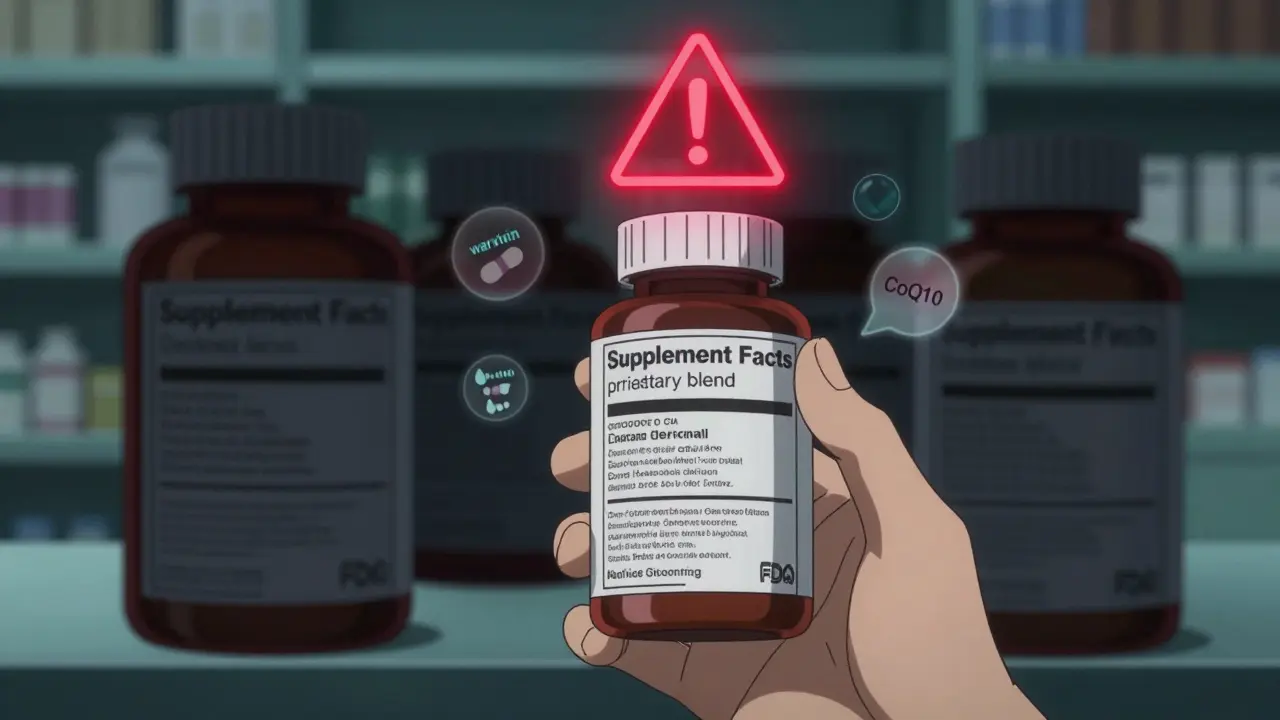
Supplement Labels and Drug Interaction Warnings: How to Read Them
Supplement labels rarely warn about drug interactions, putting millions at risk. Learn how to read them, spot hidden dangers, and protect yourself from dangerous combos with prescription meds.
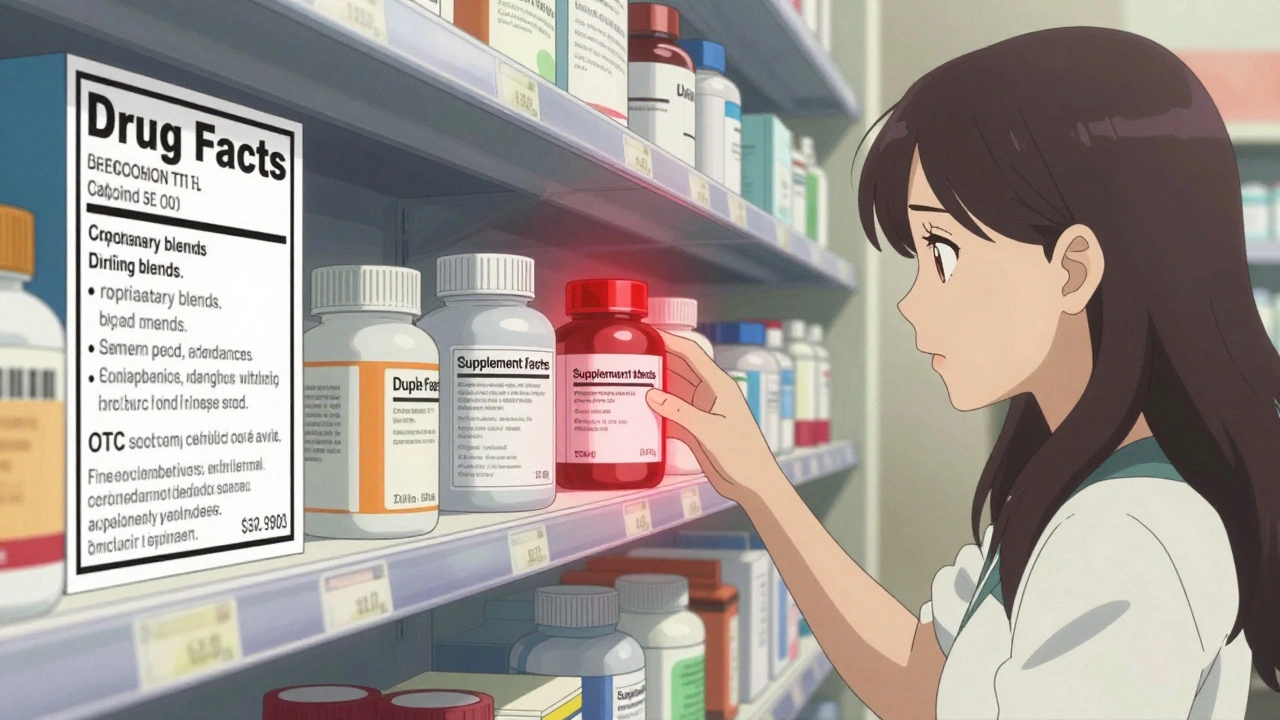
OTC Vitamins and Supplements: What the Drug Facts Label Doesn't Tell You
OTC vitamins and supplements don't follow the same labeling rules as medications. Learn what the Supplement Facts panel hides - from dangerous interactions to undeclared ingredients - and how to protect yourself.