
QT Prolongation: Risks, Medications, and How to Stay Safe
When your heart’s electrical cycle takes too long to reset — a condition called QT prolongation, a delay in the heart’s repolarization phase that can trigger dangerous irregular heartbeats. Also known as long QT syndrome, it’s not always genetic — often, it’s caused by everyday medications. This isn’t just a lab result. It’s a silent warning sign that can lead to torsades de pointes, a life-threatening type of irregular heartbeat that can cause sudden cardiac arrest if left unchecked.
Many common drugs — from antibiotics and antidepressants to anti-nausea meds and even some antihistamines — can stretch out the QT interval. It’s not about taking too much. Sometimes, even a normal dose can trigger it if you’re on multiple medications, have low potassium or magnesium, or have a history of heart issues. Pharmacists catch these risks before doctors do — that’s why medication safety, the practice of preventing harmful drug interactions and side effects through careful review and monitoring matters so much. A simple drug interaction check could stop a hospital visit before it starts.
People with existing heart conditions, older adults, and those on multiple prescriptions are at higher risk. But you don’t need to be a medical expert to protect yourself. Keeping a personal list of everything you take — prescriptions, OTC pills, supplements — helps your pharmacist spot hidden dangers. If you’ve ever been told to avoid certain meds because of your heart, that’s likely because of QT prolongation. It’s why drug-induced arrhythmia, an abnormal heart rhythm triggered by medications rather than heart disease shows up in so many safety guides and pharmacy consultations.
You’ll find real-world examples in the posts below: how contrast dye reactions can interact with heart meds, why benzodiazepines and antidepressants need extra caution, how supplements like feverfew can throw off your rhythm, and what to ask your pharmacist before starting any new drug. These aren’t theoretical warnings. They’re based on cases where people ended up in the ER because no one checked the full picture. The goal here isn’t to scare you — it’s to arm you with the knowledge to ask the right questions before you swallow that next pill.
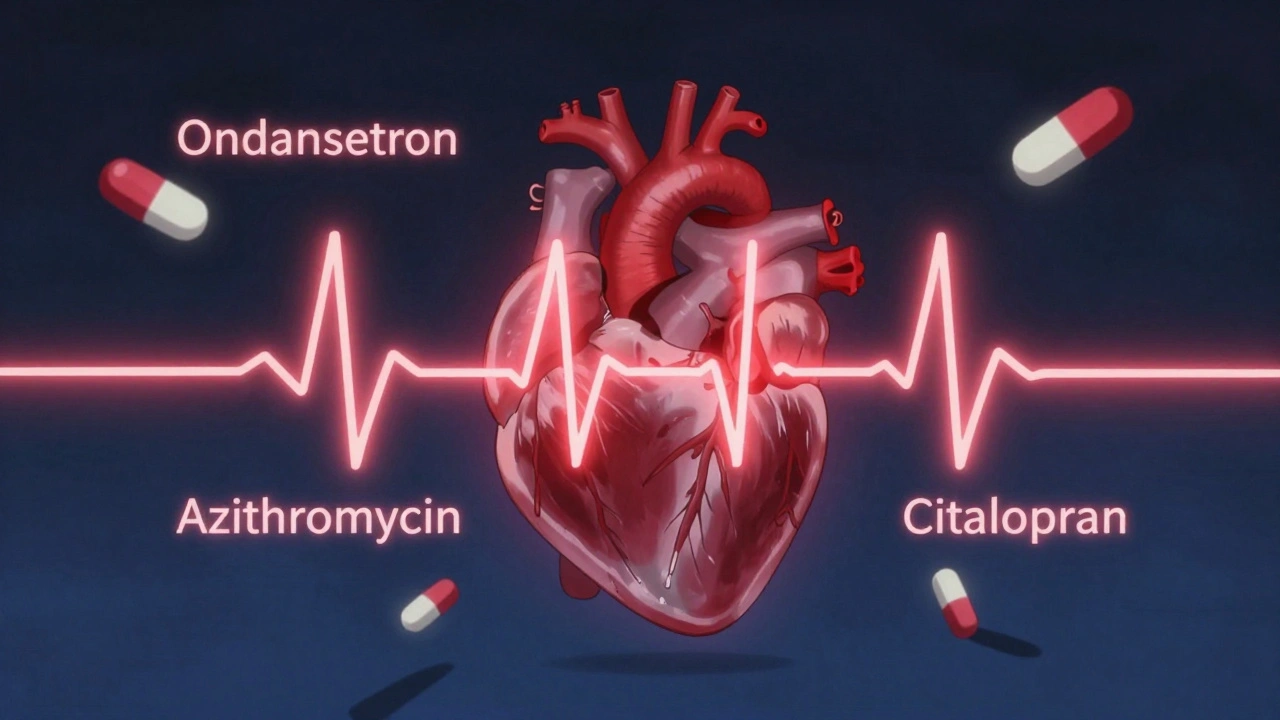
QT Prolongation: Medications That Raise Arrhythmia Risk
QT prolongation is a hidden heart rhythm risk caused by many common medications. Learn which drugs raise arrhythmia risk, who’s most vulnerable, and how to prevent life-threatening complications with simple checks and smart prescribing.

Macrolide Antibiotics and Heart Arrhythmias: What You Need to Know About QT Prolongation Risk
Macrolide antibiotics like azithromycin and clarithromycin can cause dangerous heart rhythm problems by prolonging the QT interval. Learn who’s at risk, how to spot warning signs, and what safer alternatives exist.