
Prescription Labels: What They Really Say and Why It Matters
When you pick up a prescription, the prescription label, the printed information on your medication bottle that tells you how, when, and why to take it. Also known as drug label, it's not just a formality—it’s your last line of defense against dangerous mistakes. Most people glance at the name and dosage, then toss the bottle in a drawer. But hidden in those tiny print lines are warnings, food restrictions, and red flags that could save your life—or end it.
Take drug interactions, when one medication changes how another works in your body. A label might say "avoid grapefruit" or "do not take with antacids." Skip that, and you could turn a safe drug into a toxic one. Or consider pharmacy consultation, a free service where pharmacists review your full list of meds to catch hidden risks. Many don’t know it exists, or think it’s just for seniors. But if you’re on three or more prescriptions, you’re at risk. Pharmacists catch errors doctors miss—like mixing blood thinners with NSAIDs, or missing a dangerous interaction between your statin and grapefruit juice.
And then there’s the drug labels, the official FDA-approved documents that contain every known side effect, warning, and dosing guideline. These aren’t the same as the label on your bottle. The bottle label is a summary. The full drug label? It’s 20 pages long, and it’s where you’ll find the truth about rare but deadly risks—like QT prolongation from antibiotics, or how long-term PPI use can steal your bone density. You can find these labels on DailyMed, but most people never look. That’s why so many end up surprised when a drug they’ve taken for years suddenly gets a black box warning.
Prescription labels are designed to be clear, but they’re not always easy to read. Font size is tiny. Abbreviations are confusing. And if you’re taking multiple meds, the instructions might contradict each other. That’s why keeping a personal medication list—updated every time you start or stop something—isn’t optional. It’s essential. Your pharmacist needs it. Your doctor needs it. And if you ever end up in the ER, it could be the only thing that keeps you alive.
Below, you’ll find real-world guides on how to read these labels correctly, when to question them, and how to use them to avoid the most common—and most dangerous—mistakes people make every day. From what to do when you’re sick and on diabetes meds, to why taking your pill with food might make it useless, these aren’t theory pieces. They’re survival tips from people who’ve been there.
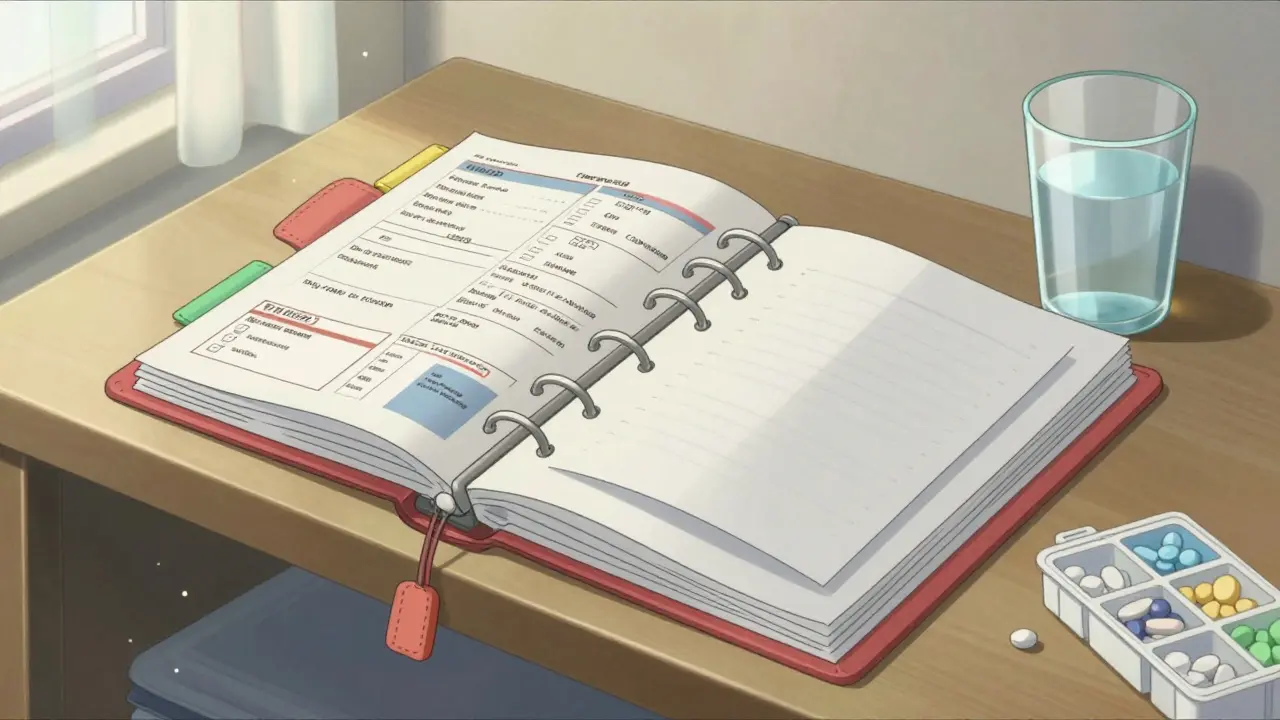
How to Store Prescription Labels and Leaflets for Future Reference
Learn how to properly store prescription labels and medication leaflets to prevent errors, avoid dangerous interactions, and ensure safe care during emergencies. Simple systems for both paper and digital records.
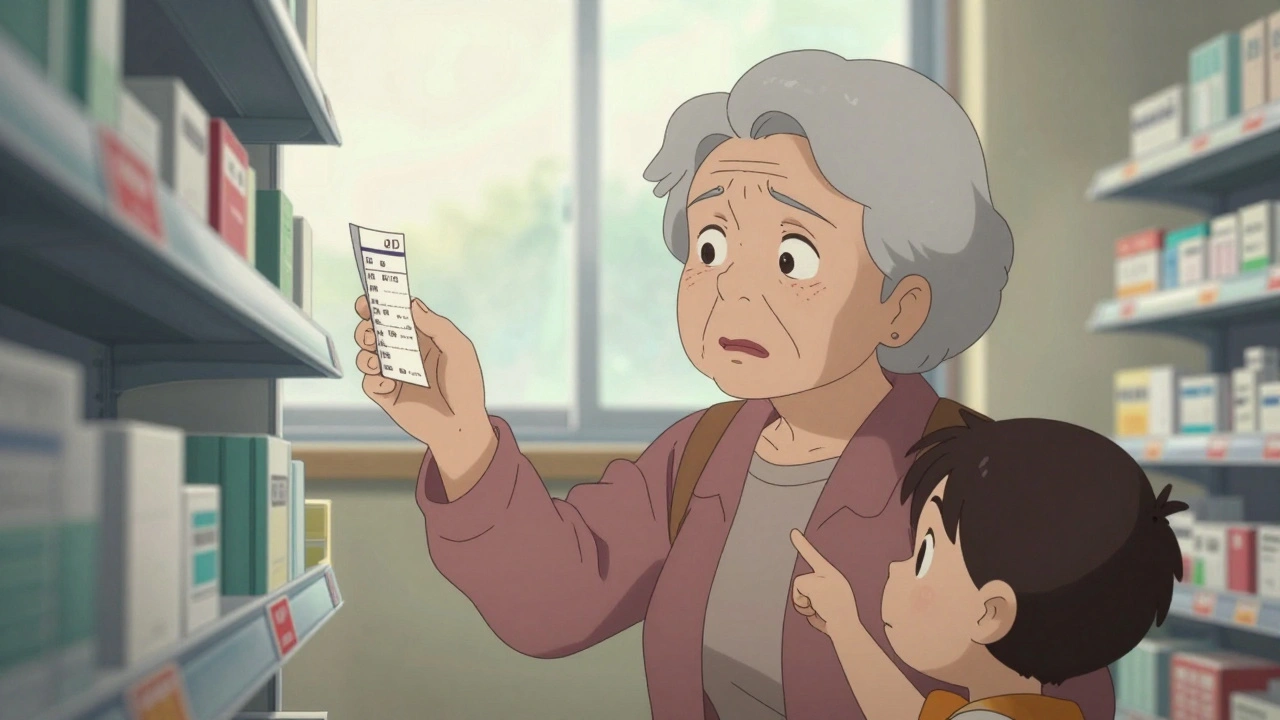
Medication Safety for Non-English Speakers: How to Get Clear, Understandable Instructions
Non-English speakers face dangerous risks when taking medication due to unclear labels. Learn how properly translated instructions, pictograms, and certified interpreters can prevent errors and save lives.