
Pharmacy Compounding: Custom Medications Tailored to Your Needs
When you need a medicine that doesn’t come in a bottle at your local pharmacy, pharmacy compounding, the process of creating customized medications from scratch to match a patient’s unique needs. Also known as custom compounding, it’s not a backup plan—it’s a vital tool for people who can’t tolerate standard drugs. Think of it like ordering a cake instead of buying a pre-made one. If you’re allergic to dyes, need a smaller dose, or can’t swallow pills, a compounding pharmacist can make it work.
Compounding isn’t just about changing flavors or removing gluten. It’s about solving real problems. For example, a child with epilepsy might need a liquid form of a drug that only comes as a pill. An elderly patient with swallowing issues might need a topical cream instead of an oral tablet. Or someone with chronic pain might need a combination of three drugs in one gel, so they don’t have to juggle five pills a day. These aren’t rare cases—they’re common enough that compounding pharmacies, specialized pharmacies that prepare personalized medications under strict guidelines. Also known as compounding labs, they work closely with doctors to fill gaps the drug industry ignores. And it’s not just for people. Veterinarians rely on compounding to make pet meds taste like chicken or come in tiny doses for cats.
Not all compounding is the same. There’s sterile compounding, the preparation of injectables, IV solutions, and eye drops in clean-room conditions. Also known as aseptic compounding, it requires strict controls to prevent infection. Then there’s non-sterile compounding—creams, capsules, lozenges—where contamination risk is lower but still matters. The ingredients used? They’re not random. Pharmacists use pure, FDA-approved chemicals from trusted suppliers. They test batches for strength and purity. And they follow guidelines from the USP, not just guesswork.
What you won’t find in big-box pharmacies? Custom strengths. Flavor-free versions. Discontinued drugs. Combination therapies. That’s where compounding steps in. It’s not magic. It’s science, skill, and attention to detail. And it’s growing. More people are asking for it. More doctors are prescribing it. And more pharmacists are training to do it right.
Behind every compounded prescription is a problem that standard medicine couldn’t solve. Maybe it’s a reaction to a filler. Maybe it’s a child who spits out pills. Maybe it’s a senior who can’t afford to waste half a capsule. The posts below show how compounding touches real lives—from avoiding allergic reactions in contrast dye to making sure older adults take their meds safely. You’ll see how it connects to medication safety, drug interactions, and even how supplements are labeled. This isn’t about niche science. It’s about making sure no one falls through the cracks because a drug wasn’t made for them.
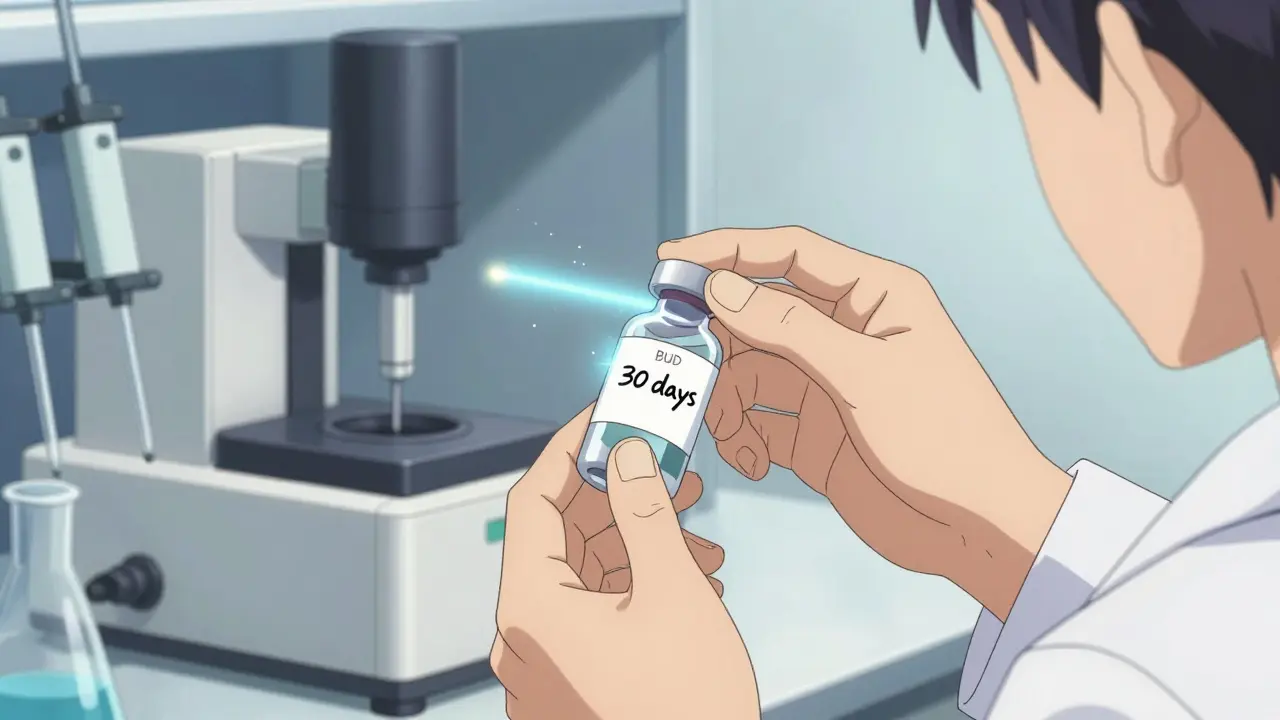
How to Interpret Beyond-Use Dates for Compounded Medications
Beyond-use dates for compounded medications are critical safety deadlines based on scientific data, not guesswork. Learn how pharmacists determine these dates, why they differ from expiration dates, and how to ensure your medication is still safe to use.

How to Prevent Compounding Errors for Customized Medications
Learn how to prevent dangerous errors in customized medications through strict protocols, dual verification, USP standards, and technology. Essential reading for patients and pharmacists alike.