
Translated Medication Instructions: What You Need to Know for Safe Use
When you get a prescription, the translated medication instructions, clear, accurate directions for taking medicine in a language you understand. Also known as language-appropriate drug labels, they’re not a luxury—they’re a lifeline. If you don’t fully understand how, when, or why to take your medicine, you’re at risk. A 2023 study in the Journal of Patient Safety found that patients with limited English proficiency were 35% more likely to take the wrong dose or mix dangerous drugs. This isn’t about translation—it’s about survival.
Good translated medication instructions, clear, accurate directions for taking medicine in a language you understand. Also known as language-appropriate drug labels, they’re not a luxury—they’re a lifeline. aren’t just word-for-word translations of English labels. They need to account for cultural context, literacy levels, and how people actually use medicine in daily life. For example, "take with food" might mean "take after breakfast" in one culture, but "take with your largest meal" in another. A poorly translated label might say "avoid alcohol," but not explain that wine, cough syrup, or even some mouthwashes count. And let’s not forget the hidden dangers: some generic drugs have different inactive ingredients across countries, and those can trigger reactions if not clearly labeled. Pharmacists and clinics often skip checking if the translation matches the actual pill inside the bottle. That’s how people end up taking the wrong drug—because the label looked right.
It’s not just about reading the label. It’s about understanding dosage timing, what to avoid, and what side effects are normal versus dangerous. Many translated instructions leave out critical details like "do not crush" or "store in the fridge"—details that make the difference between safety and overdose. If you’re using a translated label, ask your pharmacist: "Is this the exact same medicine as the one in English?" and "Are there any ingredients here that could react with my other meds?" You have the right to ask for a pharmacist-led explanation in your language. Don’t settle for a printed sheet if you’re still confused.
Below, you’ll find real-world guides that tackle exactly these problems. From how to spot when a translation is incomplete, to what to do when your pharmacy gives you a label in a language you barely understand, to how to verify that your generic drug’s instructions match the brand—these posts give you tools you can use today. No theory. No fluff. Just what works when your health depends on getting it right.
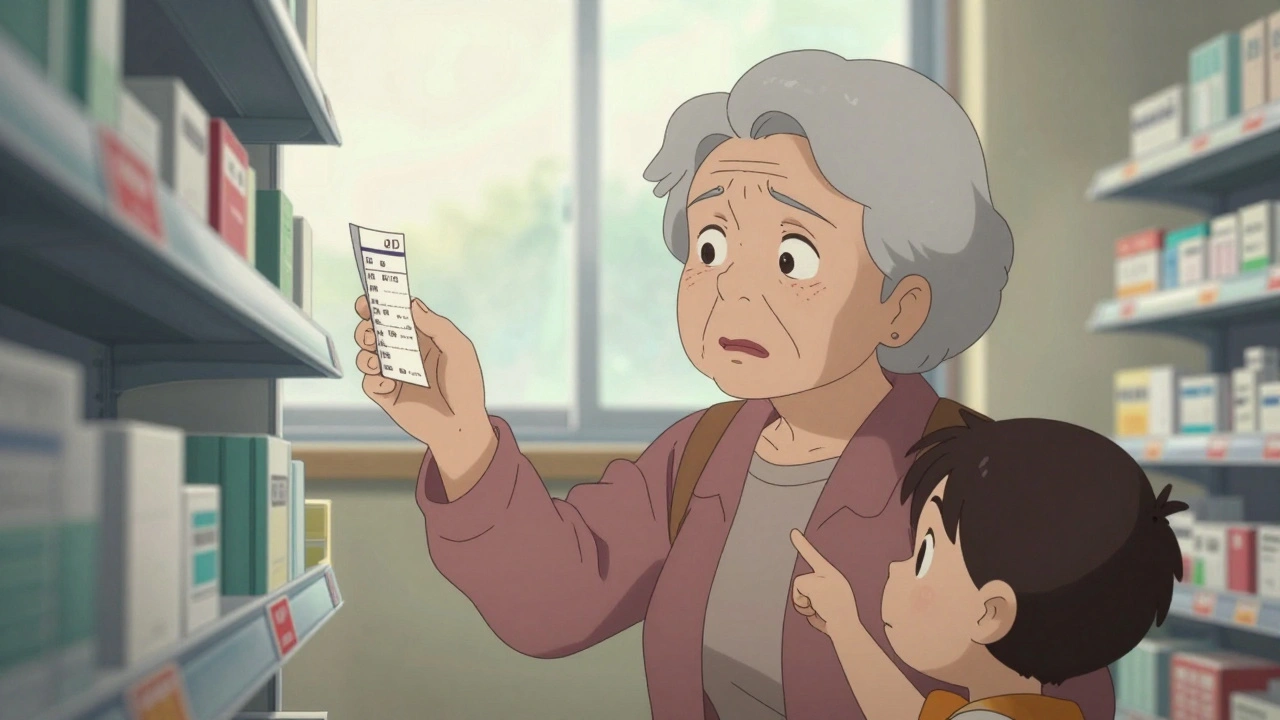
Medication Safety for Non-English Speakers: How to Get Clear, Understandable Instructions
Non-English speakers face dangerous risks when taking medication due to unclear labels. Learn how properly translated instructions, pictograms, and certified interpreters can prevent errors and save lives.