
Posture Tips: Fix Your Stance, Reduce Pain, and Prevent Long-Term Damage
When we talk about posture tips, practical habits that help you hold your body in a way that reduces strain and supports long-term health. Also known as ergonomic posture, it's not about standing like a soldier—it's about letting your body work the way it was designed to. Most people don’t realize how much damage bad posture does over time. Slouching at your desk, craning your neck at your phone, or standing with weight on one hip might feel normal—but they’re slowly wearing down your spine, muscles, and joints.
Bad spinal alignment, the natural curve of your spine when properly supported is linked to chronic pain, headaches, even breathing issues. Studies show that over 80% of adults develop posture-related discomfort by age 40—not because they’re lazy, but because they never learned how to sit, stand, or move right. Your sitting posture, how your body is positioned when seated, especially at desks or in cars matters more than you think. A 2023 study in the Journal of Physical Therapy Science found that people who adjusted their chair height and monitor position cut neck pain by 60% in just six weeks. You don’t need a $500 ergonomic chair. You need to know where your ears, shoulders, and hips should line up—and how to reset them every hour.
Fixing your posture isn’t about doing 100 crunches or buying a posture brace. It’s about awareness. It’s about standing up every 30 minutes. It’s about letting your feet flat on the floor, your shoulders relaxed, and your screen at eye level. It’s about not tucking your chin when you look at your phone. These small changes add up. They stop the cycle of pain before it starts. And they’re not just for office workers. Parents carrying kids, warehouse workers, even people who drive for a living—all of them benefit from better alignment.
What you’ll find below isn’t a list of generic advice. These are real, tested strategies from people who’ve dealt with chronic pain, rehabbed injuries, and learned how to move without hurting themselves. Some posts talk about how certain medications affect muscle tension. Others show how sleep positions tie into spinal stress. You’ll see what actually works—not what’s sold in infomercials. No fluff. No gimmicks. Just clear, practical ways to stand taller, sit easier, and move freely.
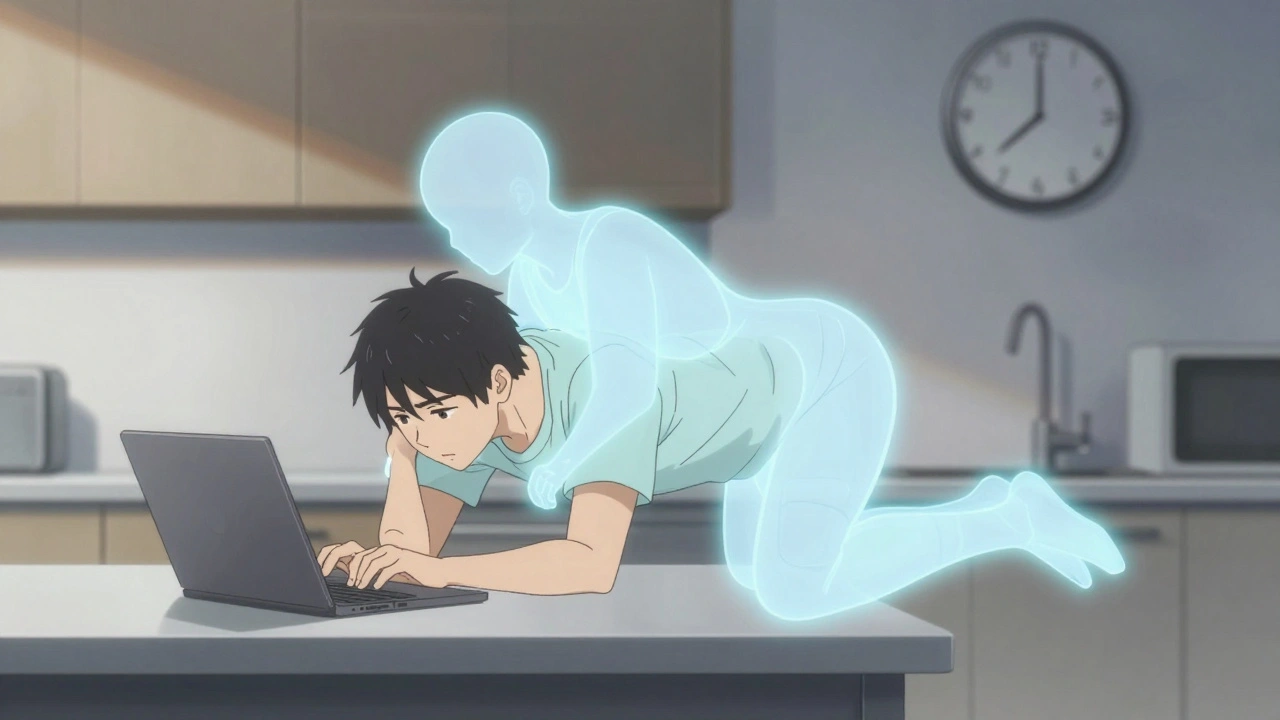
Ergonomics for Joint Health: Workstation and Posture Tips to Reduce Pain
Learn how to set up your workstation to reduce joint pain and improve posture. Science-backed tips for chairs, monitors, keyboards, and movement to protect your musculoskeletal health.