
Patent Litigation in Pharmaceuticals: What It Means for Your Medications
When you hear patent litigation, legal disputes over who has the right to make and sell a drug after its original patent expires. Also known as drug patent fights, it's not just courtroom drama—it directly affects whether you can get a cheaper generic version of your medicine. Every time a brand-name drug’s patent nears expiration, companies rush to file lawsuits to delay cheaper alternatives. These cases can stretch for years, keeping prices high and limiting your choices—even when the science says the generic is identical.
This isn’t theoretical. Take authorized generics, when the original brand manufacturer releases its own generic version under a different label. Also known as brand generics, these aren’t true generics—they’re the same pill, same factory, same price as the brand, just cheaper. Companies do this to squeeze out real generic makers, often right after a patent challenge. Meanwhile, generic drugs, medications approved by the FDA as therapeutically equivalent to brand-name drugs. Also known as bioequivalent drugs, they’re the key to lowering costs—but patent litigation can block them for years. The Hatch-Waxman Act was meant to speed up generics, but lawsuits have turned it into a bottleneck. A 2023 study found that over 60% of new drug launches face at least one patent lawsuit, often with no real innovation behind it—just legal delay tactics.
What does this mean for you? If you’re on a drug like Levitra, Finasteride, or Poxet, the price you pay isn’t just about manufacturing—it’s about who won the last court case. When patent litigation succeeds, you’re stuck paying more. When it fails, generics flood the market and prices drop fast. That’s why knowing how long a drug’s patent lasts, or whether a lawsuit is pending, can help you plan ahead. Some pharmacies track these legal shifts and can warn you when a cheaper version is coming. And if you’re using a medication with known long-term risks—like PPIs or benzodiazepines—having access to generics can make it easier to switch or adjust your treatment without financial strain.
The system isn’t broken—it’s being exploited. But you’re not powerless. Understanding how patent litigation works helps you ask better questions. Ask your pharmacist: Is there a generic coming? Has this drug been challenged? Are there alternatives that aren’t tied to current lawsuits? The posts below dig into real cases, hidden pricing tricks, and how to spot when a drug’s cost is being held hostage by legal battles—not science.
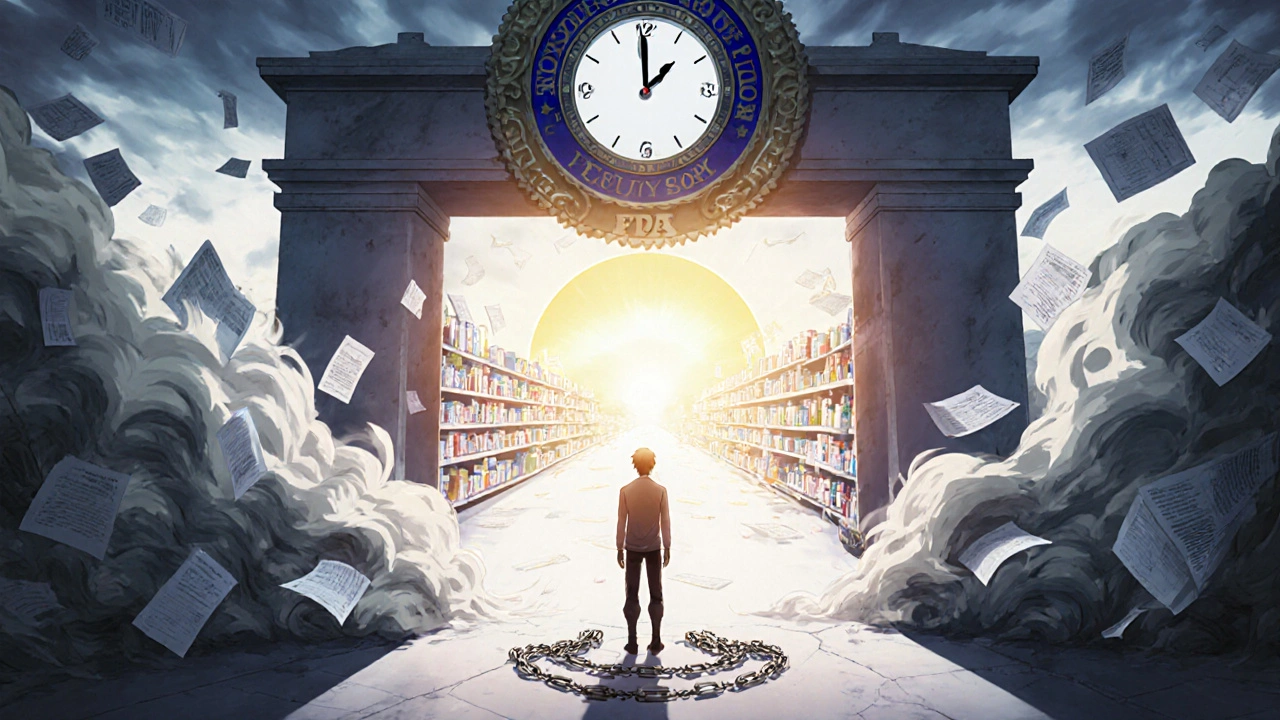
Tentative Approval and Litigation: How Generic Drug Makers Wait for Market Entry
Tentative approval lets generic drug makers get FDA approval before patents expire-but they can't sell until litigation ends. Learn how this process works, why timing matters, and what happens when companies get it right-or wrong.