

Imagine spending years developing a generic version of a popular brand-name drug-only to be told you can’t sell it yet, even though the FDA says your product is perfect. That’s the reality for hundreds of generic drug makers in the U.S. every year. This isn’t a glitch in the system. It’s the tentative approval process-a legal and regulatory limbo designed to balance innovation with competition.
What Tentative Approval Really Means
Tentative approval isn’t a halfway mark. It’s not a "maybe" or a "we’ll get back to you." It’s the FDA’s official statement that your generic drug application (ANDA) has passed every scientific and technical check. The chemistry, manufacturing, labeling, and bioequivalence data? All solid. But you still can’t sell the drug. Why? Because there’s an active patent or exclusivity period blocking you. This system was created by the Hatch-Waxman Act of 1984. It gave generic companies a way to get ahead of the game. Instead of waiting for patents to expire before even starting the review process, they can submit their application early. The FDA reviews it fully. If everything checks out, they issue a Tentative Approval letter. Think of it like getting your driver’s license approved before your 16th birthday-you’re ready to drive the moment you’re legally allowed to. The FDA grants about 1,000 tentative approvals each year. For many generic companies, this is the only path to market. Around 85% of generic drugs that face patent barriers go through this process. Without it, patients would wait years longer for affordable alternatives.The Litigation Game: Paragraph IV and the 30-Month Clock
Here’s where things get strategic-and risky. When a generic company files an ANDA, they must certify how they’re handling the brand drug’s patents. One option is a Paragraph IV certification: a legal challenge claiming the patent is invalid, unenforceable, or won’t be infringed. This triggers a legal bomb. The brand-name company has 45 days to sue. If they do, the FDA can’t give final approval for 30 months-or until the court rules, whichever comes first. This is called the 30-month stay. It’s meant to protect patent holders, but it’s also a tool for generic companies to gain leverage. Many generic makers use tentative approval as a bargaining chip. They get the FDA’s green light, then wait for the patent to be challenged in court. If they win, they can convert their tentative approval into final approval within days. Some even get 180 days of exclusivity-the golden ticket that lets them be the only generic on the market for half a year. But here’s the catch: if you lose the lawsuit, your tentative approval doesn’t turn into approval. You’re back to square one. And if you settle with the brand company? That’s common. Some deals delay market entry for years, even after the patent expires. The FTC has documented cases where settlements pushed launches out by 18 to 24 months.What Happens After Tentative Approval? The Hidden Work
A lot of people think once you get tentative approval, you just wait. That’s a dangerous myth. The waiting period isn’t passive. It’s a high-stakes game of regulatory chess. The FDA requires you to submit any changes to your application as amendments. If you want to tweak your manufacturing process, change your supplier, or update your labeling, you must file it correctly. And timing matters more than you think. For minor changes, you need to submit the amendment at least three months before the patent expires. For major changes-like switching production sites-you need ten months’ notice, especially if your application has been tentatively approved for over three years. Miss these deadlines, and your final approval gets delayed. Even if the patent expired yesterday. In 2022, about 15% of tentatively approved applications faced delays because companies didn’t file amendments on time. One company lost $150 million in revenue when a manufacturing site change wasn’t properly documented. Their drug was ready. The patent had expired. But the FDA couldn’t approve it because the paperwork was late. You also have to keep your manufacturing site compliant with cGMP (current Good Manufacturing Practices). The FDA doesn’t stop inspecting just because you’re tentatively approved. In fact, 27% of final approval delays in 2022 came from cGMP issues discovered during routine inspections.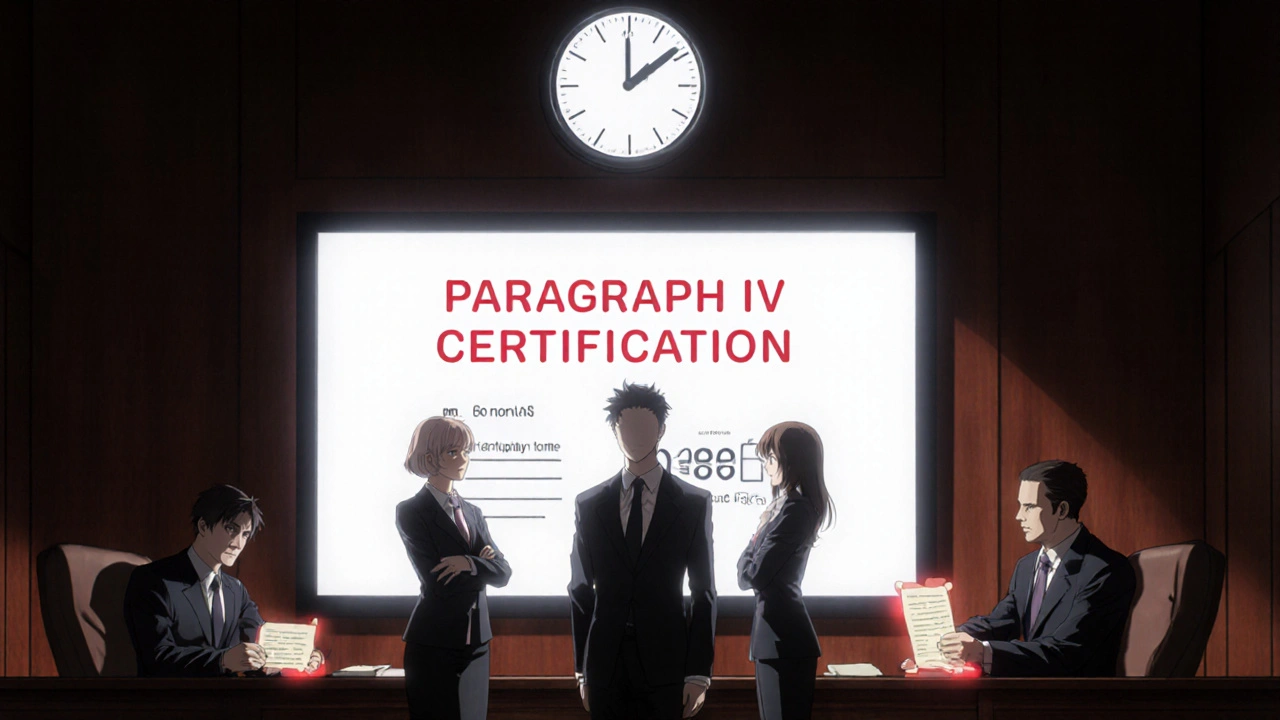
Real Stories: Successes and Failures
In 2018, Lupin Limited got tentative approval for its generic version of Cialis. When the patent expired, they submitted their final approval request. Within 24 hours, the FDA approved it. They captured 42% of the market in the first month. Meanwhile, Mylan had tentative approval for their EpiPen generic for 18 months. But they didn’t account for a pediatric exclusivity extension the brand company had secured. When the patent expired, another 6-month clock started. They couldn’t launch until it was over. Their launch was delayed. Competitors filled the gap. Teva’s experience with generic Januvia was cleaner. They filed their final approval request exactly 90 days before the patent expired. No delays. No surprises. Market entry happened on day one. The difference? Preparation. One company treated the waiting period like a countdown. The other treated it like a vacation.Who Uses This System-and Why
The top 10 generic drug makers in the U.S. each have 15 to 25 products in tentative approval status at any given time. Smaller companies average 2 to 5. That’s because this system rewards scale and expertise. It’s not just about having a good drug. You need teams that understand patent law, FDA regulations, and timing. Regulatory affairs staff need 6 to 12 months just to learn how to manage this process. You need lawyers tracking patent expirations. You need scientists ready to submit amendments. You need finance teams ready to launch on a dime. The payoff? Huge. First-filers with 180-day exclusivity can capture 65% to 80% of the market. That’s how companies like Teva, Mylan, and Lupin built billion-dollar businesses.What’s Changing in 2025
The FDA is making moves to speed things up. Starting in 2023, they cut the review time for final approval requests from 60-90 days down to 30 days for minor amendments. That’s a big deal. It means if you file right, you could be on the market within weeks of patent expiration. But the system is under pressure. Complex generics-like inhalers, injectables, and topical products-are harder to copy. Patents are getting more layered. Some brand companies now stack multiple patents to extend protection. The FDA’s Science Board warned in 2023 that the current framework might not handle the next wave of complex products. There’s also political risk. Bills like the "Protecting Drug Patents Act" introduced in 2023 could extend patent terms even further. If passed, it would delay tentative approvals by months-or years-for dozens of drugs. Still, analysts predict tentative approval will remain vital through 2030. The Hatch-Waxman Act isn’t going anywhere. It’s the engine of generic competition in the U.S.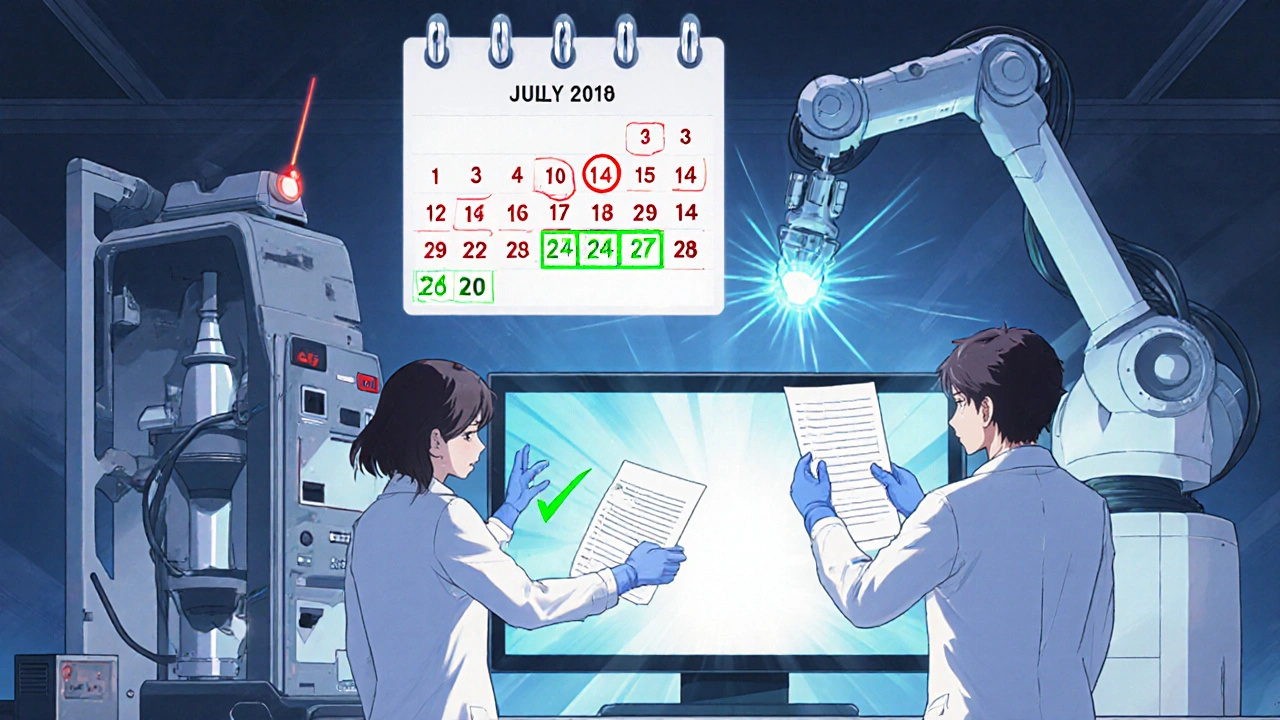
How to Navigate This System
If you’re a generic drug maker, here’s what you need to do:- File your ANDA early-even if patents are active.
- Decide whether to file a Paragraph IV certification. It’s risky, but it can give you exclusivity.
- Track every patent and exclusivity period. Use a dedicated tracker, not spreadsheets.
- Don’t wait until the last minute to submit amendments. Three months for minor changes. Ten months for major ones.
- Keep your manufacturing site compliant. FDA inspections don’t stop.
- Build a team that includes regulatory experts, patent lawyers, and compliance officers.
Frequently Asked Questions
What’s the difference between tentative approval and final approval?
Tentative approval means the FDA has approved your drug scientifically but can’t let you sell it yet because of patents or exclusivity. Final approval means you’re legally allowed to market and sell the drug in the U.S. You can’t sell a tentatively approved drug-even if it’s ready. Final approval is the green light to launch.
Can I sell my drug in other countries while waiting for U.S. approval?
Yes. Tentative approval only blocks sales in the U.S. Many companies launch their generic drugs in Canada, Europe, or India while waiting for U.S. patent expiration. This helps them generate revenue and fund U.S. operations. Some even use international sales to secure funding for U.S. market entry.
How long does it take to get tentative approval?
The FDA aims to complete its initial review in about 10 months under the GDUFA timeline. But this doesn’t include time spent fixing deficiencies. If the FDA issues information requests or discipline review letters, it can take 12 to 18 months. The clock starts when you submit a complete application.
What happens if I don’t file a Paragraph IV certification?
If you don’t challenge the patent, you’ll wait until the patent expires naturally. You won’t get 180-day exclusivity. But you also won’t face a lawsuit. This is the safer route for companies that don’t want legal risk. Many small manufacturers choose this path for simpler drugs with predictable patent expirations.
Can the FDA revoke tentative approval?
Yes. If you make a major change to your application without proper approval-like switching manufacturing sites without submitting an amendment-the FDA can withdraw your tentative approval. You’d have to restart the entire process. That’s why keeping accurate records and following submission rules is critical.
Is tentative approval used outside the U.S.?
No. The U.S. is the only country that uses this exact system. Other countries, like Canada or the EU, allow generic companies to file applications early, but they don’t issue a formal "tentative approval" status tied to patent litigation. The U.S. system is unique because it links regulatory review directly to patent law.
LINDA PUSPITASARI
November 30, 2025 AT 03:25Mary Kate Powers
November 30, 2025 AT 12:30Steven Howell
December 1, 2025 AT 10:40Andrew Keh
December 2, 2025 AT 02:13Matthew Higgins
December 2, 2025 AT 15:19Bernie Terrien
December 3, 2025 AT 21:30Jennifer Wang
December 3, 2025 AT 21:35stephen idiado
December 4, 2025 AT 13:27Subhash Singh
December 4, 2025 AT 17:12Geoff Heredia
December 6, 2025 AT 08:00Tina Dinh
December 6, 2025 AT 13:24Sohini Majumder
December 7, 2025 AT 21:35Peter Axelberg
December 8, 2025 AT 09:51Peter Lubem Ause
December 9, 2025 AT 21:01