
OTC Vitamins: What Works, What Doesn’t, and What to Watch For
When you pick up a bottle of OTC vitamins, over-the-counter dietary supplements taken without a prescription to support general health. Also known as dietary supplements, they’re sold everywhere—from pharmacies to gas stations—and many people assume they’re harmless. But OTC vitamins aren’t candy. Some can interfere with your prescriptions, worsen health conditions, or even cause liver damage if taken wrong.
Take vitamin K, a nutrient that helps blood clot and is often found in multivitamins. If you’re on warfarin for a blood clot, too much vitamin K can make the drug useless. Or consider vitamin E, an antioxidant supplement often taken for heart or skin health. High doses have been linked to increased bleeding risk, especially when mixed with aspirin or other blood thinners. Even something as simple as calcium, a common mineral added to multivitamins for bone strength can block your thyroid medication if taken at the same time. These aren’t edge cases—they’re everyday mistakes.
The problem isn’t that OTC vitamins are bad. It’s that most people don’t track them like real medicine. You wouldn’t mix two prescription drugs without asking your doctor. But you might toss a handful of pills into your morning routine without thinking twice. That’s why your personal medication list needs to include every vitamin, herb, or supplement you take—not just the ones with a label that says "Rx." The FDA doesn’t test supplements the same way it tests drugs. That means the dose on the bottle might be wrong, the ingredients might be fake, or the product might be contaminated. And if you’re over 65, taking multiple meds, or managing a chronic condition like diabetes or heart disease, the risks go up fast.
What you’ll find below isn’t a list of "best vitamins." It’s a practical guide to what actually matters: which supplements have real science behind them, which ones are dangerous with common meds, and how to avoid the hidden traps that pharmacies and doctors don’t always warn you about. From how vitamin D affects your immune system to why fish oil can mess with your blood pressure pills, these posts cut through the noise. You’ll learn how to read labels like a pro, spot red flags in ingredient lists, and talk to your pharmacist about what’s safe—not just what’s popular.
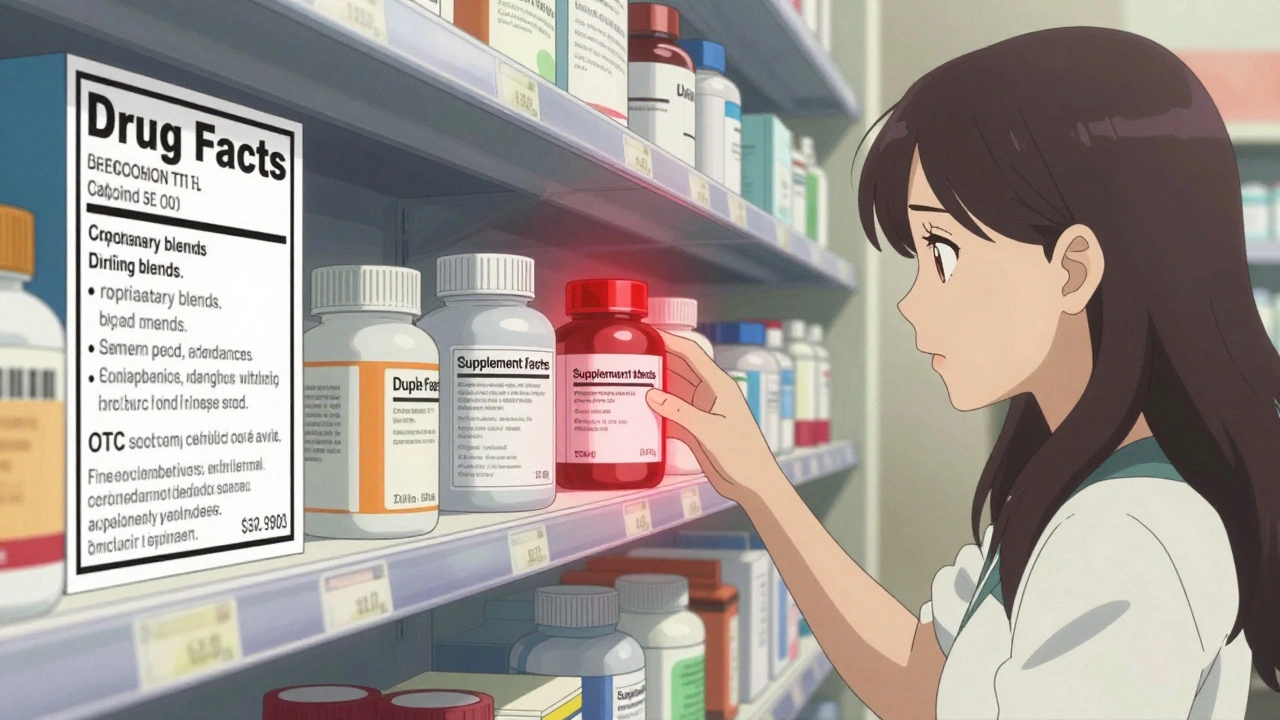
OTC Vitamins and Supplements: What the Drug Facts Label Doesn't Tell You
OTC vitamins and supplements don't follow the same labeling rules as medications. Learn what the Supplement Facts panel hides - from dangerous interactions to undeclared ingredients - and how to protect yourself.