
NTI Drugs: What They Are, Why They Matter, and How to Stay Safe
When a drug has a narrow therapeutic index, a small difference between a safe dose and a toxic one. Also known as NTI drugs, these medications require extreme precision—too little won’t work, too much can land you in the hospital. Think of it like walking a tightrope: one misstep, and things go wrong fast. This isn’t theoretical. Drugs like warfarin, lithium, digoxin, and phenytoin all fall into this category. They’re used for serious conditions—blood clots, seizures, heart failure, bipolar disorder—but they don’t forgive mistakes. And that’s why understanding NTI drugs isn’t just helpful—it’s life-saving.
What makes NTI drugs different from regular meds? It’s the therapeutic window, the tiny range where the drug works without causing harm. For most drugs, that window is wide. You can miss a dose, take it a few hours late, or even swap brands without much risk. Not with NTI drugs. Switching from one generic version to another—even if they’re both FDA-approved—can change how your body absorbs the drug. Pharmacists and doctors know this. That’s why they track your blood levels, adjust doses slowly, and avoid mixing them with other meds that affect liver enzymes. Even something as simple as eating grapefruit or starting a new antibiotic can throw your levels off. And when your levels drift, the consequences aren’t minor. A little too much warfarin? Bleeding. Too little? A stroke. Lithium too high? Seizures, tremors, kidney damage. These aren’t side effects—they’re emergencies.
Patients on NTI drugs aren’t just taking medication—they’re managing a high-stakes balance. That’s why keeping a personal medication list, a real-time record of every pill, supplement, and dose. is non-negotiable. It’s the first line of defense. Pharmacists use these lists to catch interactions doctors miss. Clinics use them to avoid dosing errors. You should use it to ask questions: "Is this the same as what I took last month?" "Could this new antibiotic affect my lithium?" "Why are they changing my brand?" If you’re on an NTI drug, don’t assume everything’s fine because it’s "just a generic." Ask. Double-check. Bring your list to every appointment. The posts below cover exactly this: how to avoid compounding errors, why some generics aren’t interchangeable, how to spot early signs of toxicity, and how to use pharmacy consultations to stay safe. These aren’t abstract guidelines—they’re practical steps that keep people out of the ER.
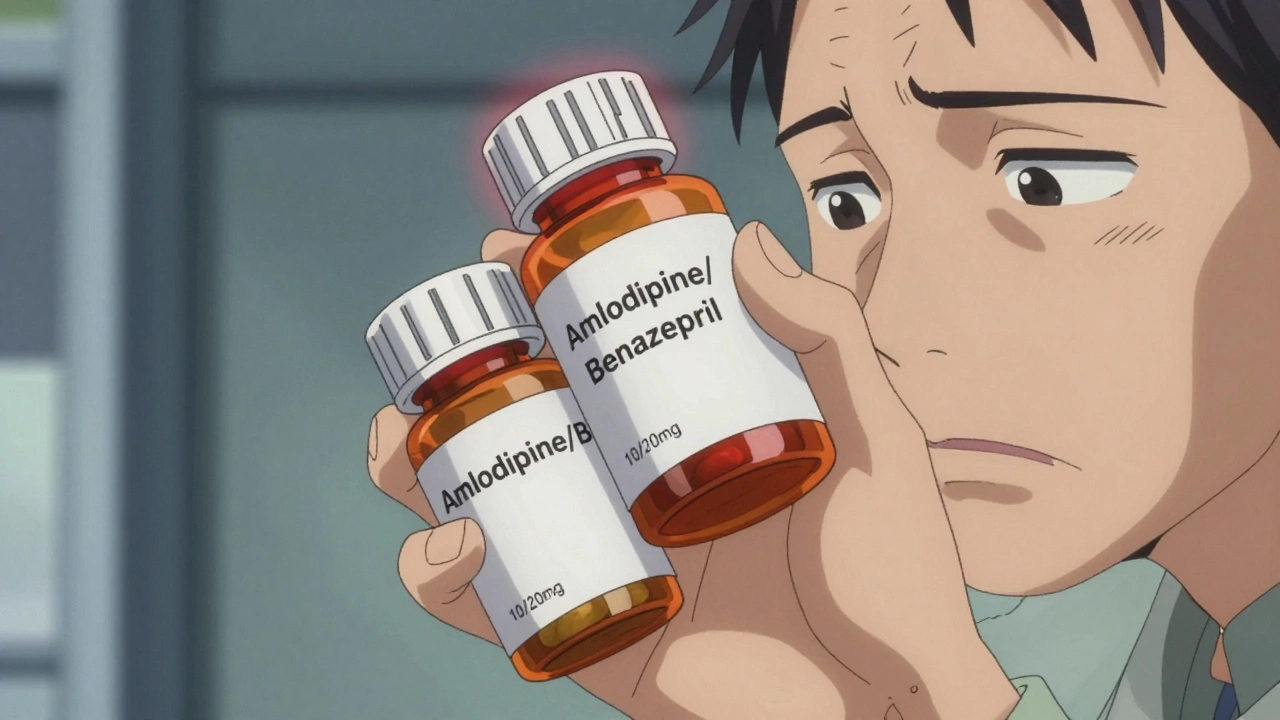
Managing Therapeutic Equivalents in Combination Drugs: Dose Differences and Real-World Risks
Managing therapeutic equivalence in combination drugs requires more than matching active ingredients. Dose differences, formulation changes, and narrow therapeutic index drugs can lead to serious risks - even when generics are FDA-approved.