
Non-English Speakers and Medication Safety: What You Need to Know
When you’re a non-English speaker, someone who doesn’t speak or read English fluently and faces challenges understanding medical instructions. Also known as limited English proficiency patient, it often means you’re forced to guess what your pills are for, when to take them, or if they’re safe with your other meds. This isn’t just inconvenient — it’s dangerous. Studies show non-English speakers are twice as likely to have a medication error, from taking the wrong dose to mixing drugs that shouldn’t be combined. The problem isn’t you. It’s the system.
Pharmacies and clinics rarely offer clear, simple instructions in your language. Even when translators are available, they’re often rushed, untrained in medical terms, or not there at all. You might get a label in English you can’t read, or a brochure with tiny print and complex terms like "therapeutic equivalence" or "QT prolongation" — words even native speakers struggle with. That’s why pharmacy consultation, a free service where pharmacists explain your meds in plain language, often in your native tongue is one of the most powerful tools you have. Pharmacists aren’t just filling prescriptions — they’re safety checks. They catch interactions doctors miss, spot dosage errors, and can walk you through your regimen step by step — if you ask.
And it’s not just about pills. language barriers in healthcare, the gap between what patients understand and what providers communicate due to language differences affects everything: knowing when to stop a drug during illness, understanding side effects like skin rashes from contact dermatitis, or realizing that your OTC supplement might clash with your blood pressure med. These aren’t abstract risks. They’re real. A Spanish-speaking patient taking metformin during a stomach bug might not know to hold the dose — and end up in the ER with kidney damage. A Vietnamese elder might swallow a PPI every day for years, unaware it’s draining their bone density or B12 levels. These mistakes happen because instructions weren’t clear, not because the patient didn’t care.
The good news? You don’t have to figure this out alone. Many pharmacies now offer multilingual resources, printed guides in common languages, and video instructions you can watch on your phone. You can ask for a printed medication list in your language. You can bring a trusted family member to the pharmacy. You can use apps that translate drug labels with your camera. And if you’re unsure — even a little — ask again. Say, "Can you show me how to take this?" or "What happens if I miss a dose?" No question is too small. Your life depends on getting it right.
Below, you’ll find real, practical guides written for people who need clear, no-fluff advice — whether you’re managing diabetes during illness, avoiding dangerous drug interactions, or learning how to read a supplement label that hides more than it reveals. These aren’t theory pieces. They’re survival tools for anyone who’s ever stared at a pill bottle and felt lost. You’re not alone. And you don’t have to guess anymore.
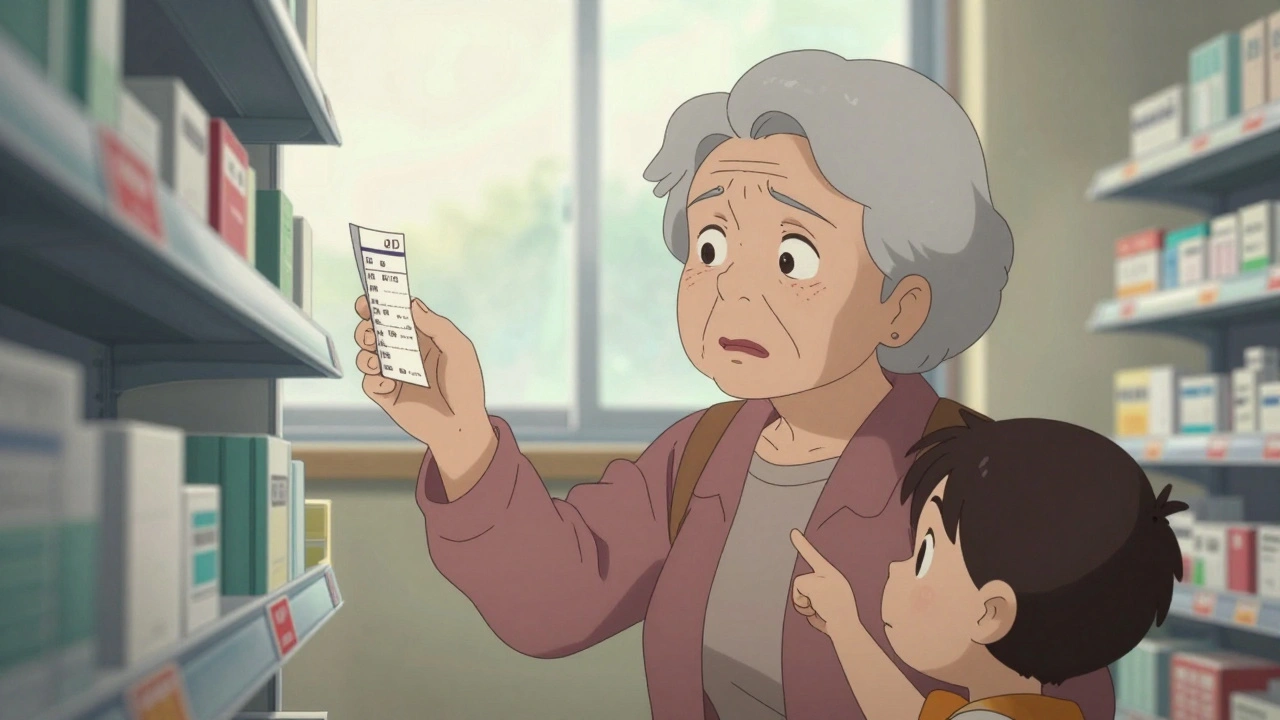
Medication Safety for Non-English Speakers: How to Get Clear, Understandable Instructions
Non-English speakers face dangerous risks when taking medication due to unclear labels. Learn how properly translated instructions, pictograms, and certified interpreters can prevent errors and save lives.