
Musculoskeletal Pain: Causes, Treatments, and What You Need to Know
When you feel a deep ache in your back, a sharp sting in your shoulder, or stiffness that won’t quit, you’re dealing with musculoskeletal pain, pain that originates in the muscles, bones, ligaments, tendons, or nerves. Also known as mechanical pain, it’s not just a nuisance—it’s one of the top reasons people visit doctors and miss work. Unlike a sudden injury like a sprained ankle, this kind of pain often creeps up slowly, gets worse with movement, and doesn’t always show up on X-rays. It can be tied to arthritis, overuse, poor posture, or even stress—and it doesn’t always go away on its own.
Many people try to power through it with OTC painkillers, but that’s like putting tape on a leaking pipe. joint pain, a common form of musculoskeletal pain that affects knees, hips, and hands, often signals wear and tear or inflammation. back pain, the most frequent type of musculoskeletal complaint, can come from a herniated disc, muscle strain, or even long hours at a desk. And muscle pain, often mistaken for simple soreness, might be linked to medication side effects, vitamin deficiencies, or autoimmune conditions. These aren’t isolated problems—they’re connected. A bad knee changes how you walk, which strains your lower back, which tightens your hip muscles, and suddenly you’re dealing with pain in three places at once.
What makes this even trickier is that many of the medications used to treat it come with their own risks. Long-term use of NSAIDs can hurt your stomach or kidneys. Opioids might offer quick relief but carry addiction risks. Even supplements like glucosamine or turmeric, often promoted for joint health, don’t work the same for everyone—and can interact with blood thinners or other drugs. That’s why understanding your specific type of pain matters more than just reaching for the nearest bottle.
The posts below cover real, practical ways to manage this kind of pain without falling into common traps. You’ll find guides on how certain drugs can worsen joint damage, what alternatives exist to steroid injections, how to spot when pain is a side effect—not the problem itself—and what lifestyle changes actually help. Whether you’re dealing with daily stiffness, flare-ups after activity, or pain that won’t respond to rest, there’s something here that speaks to your situation. No fluff. No hype. Just what works—and what doesn’t.
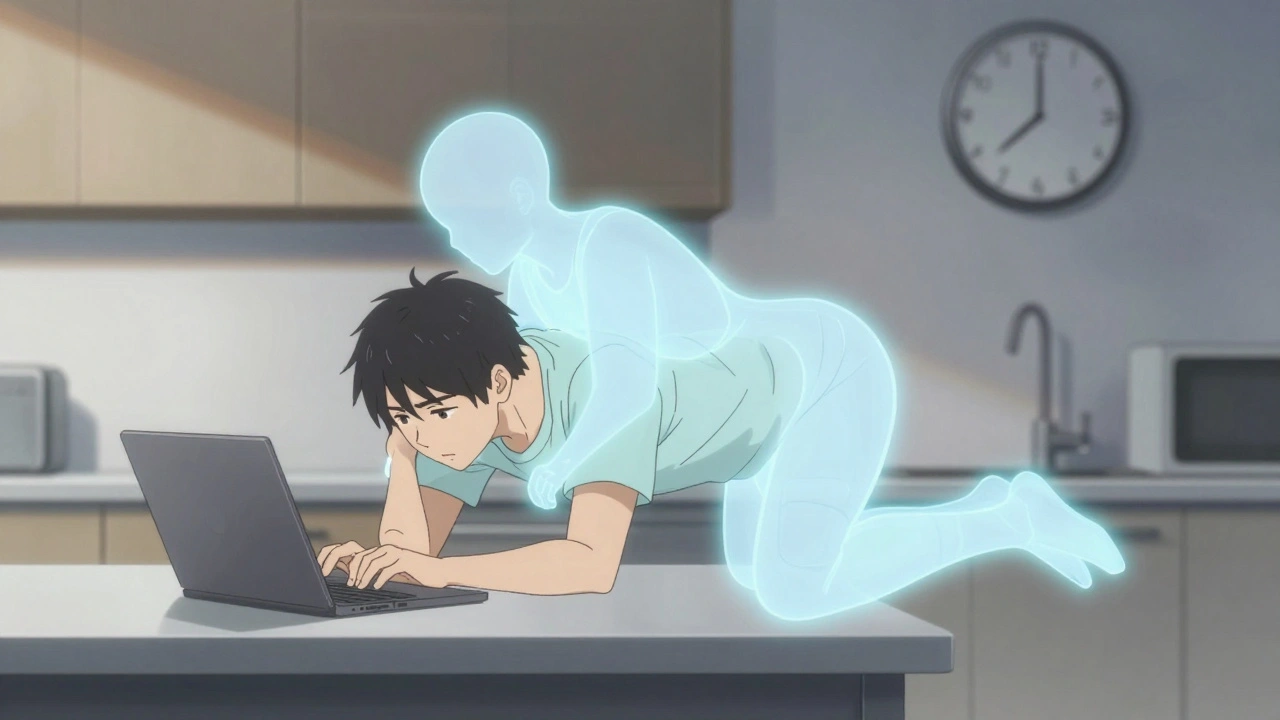
Ergonomics for Joint Health: Workstation and Posture Tips to Reduce Pain
Learn how to set up your workstation to reduce joint pain and improve posture. Science-backed tips for chairs, monitors, keyboards, and movement to protect your musculoskeletal health.