
Medication with Food: What to Eat and Avoid for Safe Drug Absorption
When you take medication with food, the interaction between your drugs and what you eat can change how well they work, how fast they kick in, or even if they cause side effects. Also known as drug-food interactions, this isn’t just a footnote on the label—it’s a make-or-break factor in whether your treatment succeeds or fails. Some pills need an empty stomach to be absorbed properly. Others? They won’t work unless you eat first. It’s not about being picky—it’s about biology.
Take antibiotics, like tetracycline or doxycycline. If you swallow them with dairy, calcium locks them up and stops them from working. That’s why your pharmacist tells you to wait two hours after milk. Same goes for thyroid meds, like levothyroxine. Coffee, calcium, iron, or even soy can block absorption. Take them on an empty stomach, 30 to 60 minutes before breakfast. And then there’s statins, like simvastatin. Eating grapefruit can spike blood levels so high it risks muscle damage. One grapefruit. One time. That’s all it takes.
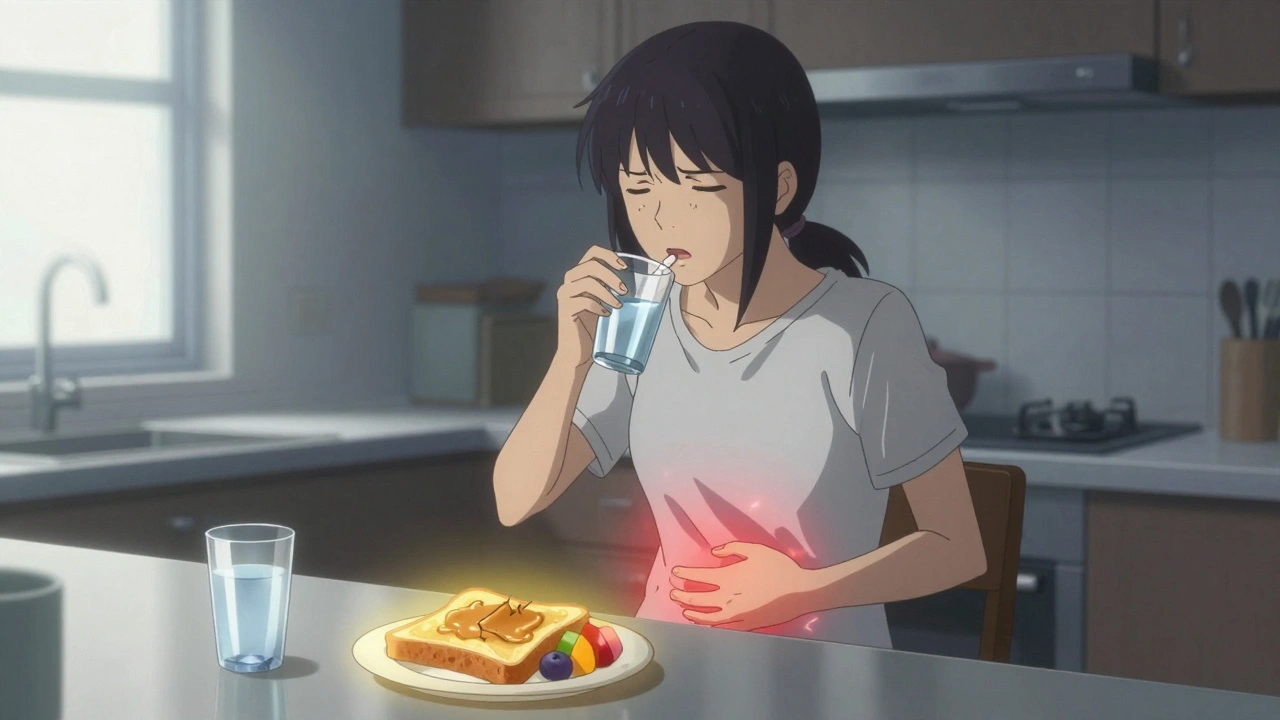
Some drugs actually need food to work right. Antifungals, like itraconazole, won’t dissolve without stomach acid—and food helps trigger that. Same with certain cholesterol drugs, like atorvastatin. A light meal helps your body absorb them better. Then there’s blood pressure meds, like ACE inhibitors. Some cause dizziness on an empty stomach. A small snack can keep you steady. And don’t forget anti-inflammatory drugs, like ibuprofen. Taking them without food can wreck your stomach lining. A slice of toast isn’t just nice—it’s protective.
It’s not just about what you eat. It’s timing, portion size, and even how often you eat. High-fat meals can delay absorption of some drugs. Fiber can bind to others. Alcohol? It multiplies risks with sedatives, painkillers, and even some antidepressants. The medication with food rule isn’t one-size-fits-all. It’s a puzzle. And your pharmacist is the only one who can help you piece it together.
Below, you’ll find real-world guides on how to avoid dangerous mix-ups, what to ask your pharmacist, and how to spot hidden risks in your daily routine. From contrast dye prep to managing multiple meds for older adults, these posts cut through the noise and give you what actually matters: clear, practical steps to take your meds safely—every single time.
Taking Medication with Food: When and Why It Reduces Side Effects
Taking medication with food can reduce side effects like nausea and stomach damage - or make drugs ineffective. Learn which meds need food, which to avoid with meals, and how to get it right every time.