
Medicaid Savings: How to Cut Drug Costs Without Sacrificing Care
When it comes to Medicaid savings, government-funded programs that help low-income individuals afford essential medications. Also known as state pharmaceutical assistance, it’s not just about eligibility—it’s about using the system right to stretch every dollar without risking your health. Many people assume Medicaid covers everything, but that’s not true. Coverage varies by state, formularies change often, and some drugs require prior authorization. The real savings come from knowing which drugs are preferred, when to ask for generics, and how to avoid hidden costs like copay tiers or step therapy.
Generic substitution, the process of swapping a brand-name drug for a bioequivalent generic version. Also known as therapeutic equivalence, it’s one of the biggest drivers of Medicaid savings. But not all generics are created equal. Drugs with a narrow therapeutic index—like warfarin or levothyroxine—need extra care. A small difference in formulation can throw off your dose. That’s why some pharmacists will call your doctor before switching, even if the FDA says it’s allowed. And yes, your pharmacy’s consultation service can help you spot these risks before they become problems. Then there’s medication assistance programs, free or low-cost drug programs run by manufacturers, nonprofits, or state agencies. Also known as patient assistance programs, they’re often overlooked. If you’re on Medicaid but still struggling with copays for high-cost drugs like biologics or specialty medications, you might qualify for extra help. These programs can slash your out-of-pocket costs to $0, even for drugs Medicaid only partially covers. And don’t forget pharmacy benefits, the structure that determines which drugs are covered, at what cost, and under what conditions. Also known as formulary management, it’s the hidden engine behind your savings. Some states have preferred pharmacy networks that offer lower copays. Others allow 90-day supplies for maintenance meds, cutting your trips to the pharmacy and your total costs. Knowing your plan’s rules can save you hundreds a year.
What you’ll find in the posts below are real strategies people use every day: how to negotiate with pharmacists, when to request therapeutic equivalents, how to avoid compounding errors that cost more than they save, and which OTC supplements might interfere with your Medicaid-covered meds. You’ll see how telepharmacy helps rural patients get the same savings as city dwellers, and how authorized generics—made by the brand company itself—can be cheaper than true generics. This isn’t theory. These are the tools that actually work when you’re trying to stay healthy on a tight budget.
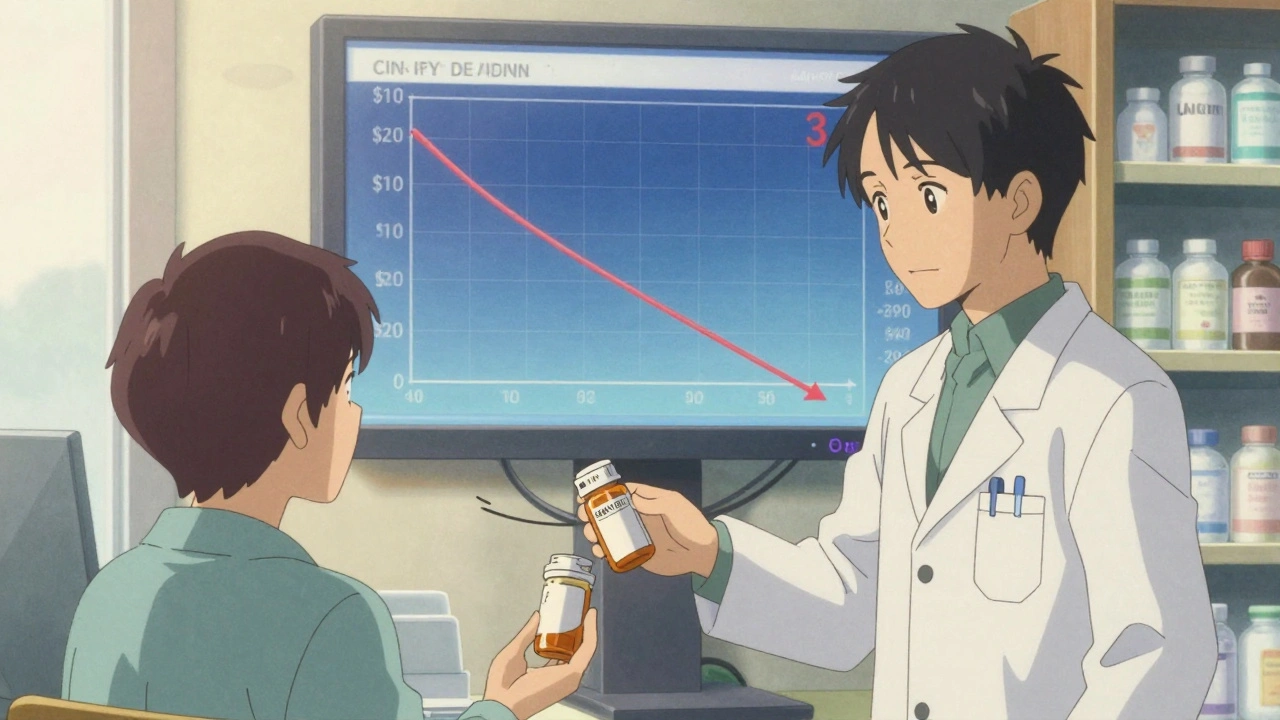
Medicaid Generic Drug Policies: How States Are Cutting Prescription Costs
States are using MAC lists, price gouging laws, and PBM transparency to control Medicaid spending on generic drugs. With 84.7% of prescriptions being generics, these policies save billions - but risks like shortages and pharmacy payment delays are growing.