
Joint Health: Protect Your Mobility with Smart Care and Safe Medications
When you think about joint health, the condition of your knees, hips, hands, and spine that lets you move without pain or stiffness. Also known as musculoskeletal health, it's not just about avoiding arthritis—it's about keeping your body working like it should, day after day. Many people wait until their joints ache before they do anything, but by then, damage may already be done. The truth is, joint health starts long before pain shows up. It’s built through what you take, what you avoid, and how you manage the medications that affect your bones and cartilage.
One of the biggest threats to joint health is long-term use of painkillers like NSAIDs, which can wear down cartilage over time. That’s why alternatives like Cartidin (Diacerein), a slow-acting drug that helps protect cartilage and reduce inflammation in osteoarthritis are gaining attention. Unlike quick fixes, Diacerein works over months to rebuild joint structure, not just mask pain. It’s not a miracle cure, but for people with osteoarthritis who want to avoid steroids or surgery, it’s one of the few options backed by real data. And it’s not alone—other strategies like managing bone density loss, the silent thinning of bones that increases fracture risk and strains joints, are just as critical. Weak bones put extra pressure on joints, making osteoarthritis worse. That’s why supplements, vitamin D, and weight control matter just as much as joint-specific meds.
You might not realize how much your other medications impact your joints. Proton pump inhibitors, often used for heartburn, can reduce calcium absorption and weaken bones. Antidepressants and steroids can also speed up cartilage breakdown. Even some herbal supplements like feverfew can interfere with blood flow to joints if you’re on blood thinners. That’s why keeping a clear medication list isn’t just smart—it’s essential. Your pharmacist can spot hidden risks you’d never catch on your own.
What you’ll find below isn’t a list of quick fixes. It’s a collection of real, practical advice from people who’ve been there—whether it’s comparing Diacerein to glucosamine, understanding how osteoporosis quietly steals your mobility, or learning how to avoid drug interactions that make joint pain worse. These aren’t theoretical tips. They’re the kind of details that keep you walking, climbing stairs, and lifting groceries without fear.
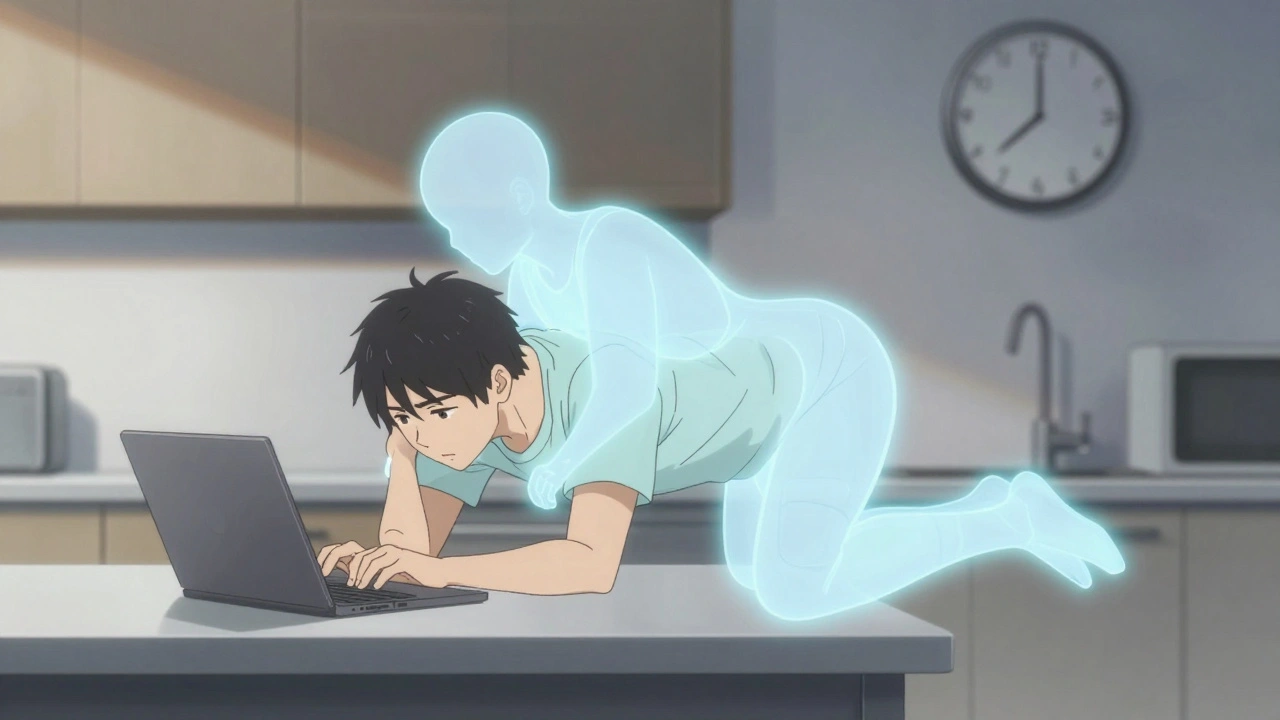
Ergonomics for Joint Health: Workstation and Posture Tips to Reduce Pain
Learn how to set up your workstation to reduce joint pain and improve posture. Science-backed tips for chairs, monitors, keyboards, and movement to protect your musculoskeletal health.