
hERG Channel: Risks, Medications, and Heart Safety Explained
When you take a medication, you might not think about the hERG channel, a protein in heart cells that controls electrical signals to keep your heartbeat steady. Also known as the Kv11.1 potassium channel, it’s one of the most important but least talked-about parts of heart safety. If a drug blocks this channel, even slightly, it can slow down your heart’s electrical reset — leading to a dangerous rhythm called QT prolongation, a delay in the heart’s recovery phase after each beat. This isn’t theoretical — it’s why some antibiotics, antidepressants, and even antihistamines get pulled from the market or come with black box warnings.
The hERG channel, a critical gatekeeper for heart rhythm stability doesn’t just respond to one type of drug. It’s vulnerable to a wide range of commonly prescribed medications. For example, macrolide antibiotics, like azithromycin and clarithromycin, are known to interfere with it. So do certain antipsychotics, anti-nausea drugs, and even some allergy meds. You won’t always see this risk listed on the bottle. That’s why doctors and pharmacists rely on databases that track hERG binding — not just to avoid dangerous combos, but to find safer alternatives. If you’re on multiple meds, especially for heart, mental health, or chronic conditions, this channel could be quietly affected. And if you have a history of heart issues, low potassium, or are over 65, your risk goes up even more.
It’s not just about avoiding drugs that block hERG. It’s about understanding how your body responds. Factors like dehydration, kidney problems, or genetic differences can make you more sensitive. That’s why some people have a reaction to a drug that others take without issue. The hERG channel, a silent player in cardiac drug safety is why pharmacists now check for drug interactions beyond just liver enzymes or blood pressure. They’re looking at the full picture — including how each pill might nudge your heart’s electrical system. In the posts below, you’ll find real-world examples: how azithromycin can trigger arrhythmias, why some contrast dyes need premedication to reduce cardiac stress, and how even OTC supplements can quietly affect your rhythm. These aren’t rare cases. They’re preventable. And knowing about the hERG channel is the first step to asking the right questions before you take your next pill.
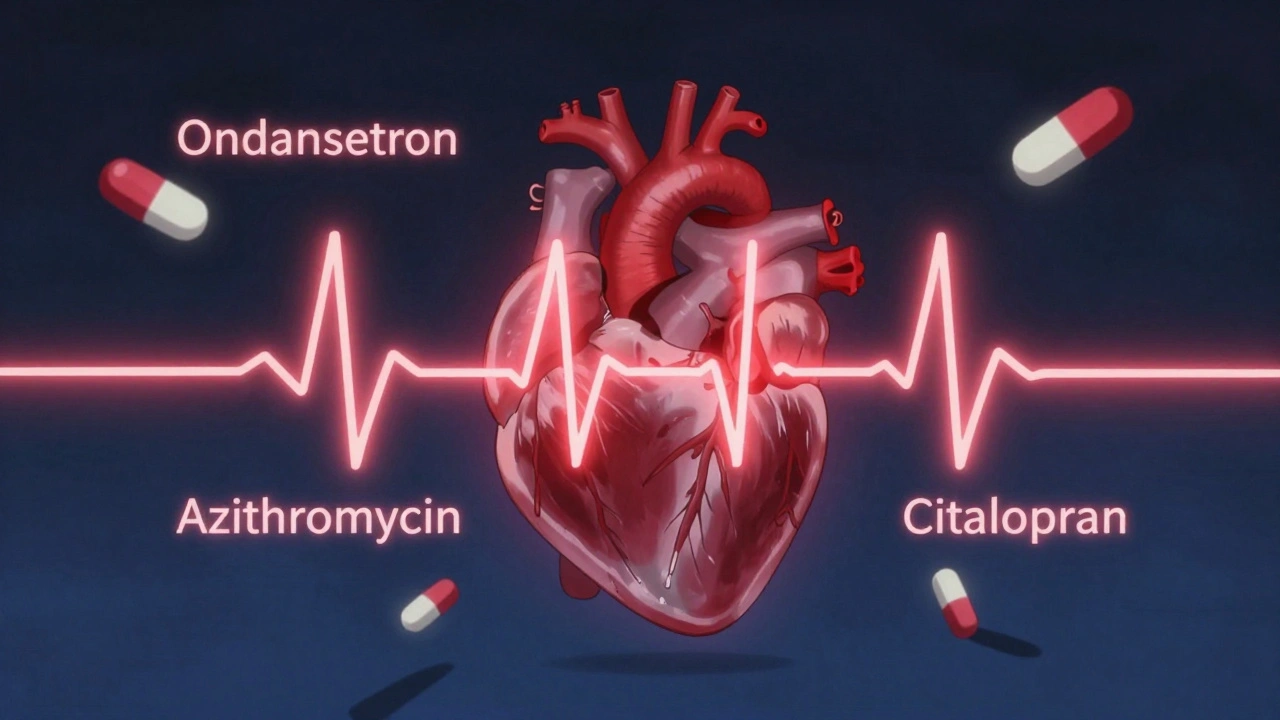
QT Prolongation: Medications That Raise Arrhythmia Risk
QT prolongation is a hidden heart rhythm risk caused by many common medications. Learn which drugs raise arrhythmia risk, who’s most vulnerable, and how to prevent life-threatening complications with simple checks and smart prescribing.