
Generic Substitution: What It Is, How It Works, and Why It Matters
When your pharmacist hands you a different pill bottle with the same name but a lower price, that’s generic substitution, the practice of replacing a brand-name drug with a chemically identical generic version. Also known as therapeutic substitution, it’s one of the biggest ways healthcare systems save money—without changing how the medicine works in your body. The FDA requires generics to have the same active ingredient, strength, dosage form, and route of administration as the brand drug. That means if your doctor prescribed Lipitor, and you get atorvastatin instead, it’s not a downgrade—it’s the same drug, just cheaper.
But here’s what most people don’t realize: generic substitution, isn’t always automatic. Some states require pharmacist approval before switching, while others let the pharmacist choose unless the doctor says "dispense as written." And not all generics are made the same. Some are made by the original brand company under a different label—called authorized generics. These are identical to the brand, down to the inactive ingredients. Others come from overseas manufacturers with looser oversight. That’s why drug equivalence, isn’t just about chemistry—it’s about consistency in how your body absorbs it. Population pharmacokinetics studies now show that even small differences in how a generic dissolves can affect people with narrow therapeutic windows, like those on blood thinners or seizure meds.
It’s also why medication cost savings, aren’t just about the price tag. When states use MAC lists to cap payments to pharmacies, or when PBMs push certain generics over others, it can lead to delays, shortages, or even switches that disrupt your routine. One study found that patients on chronic meds who were switched without warning were 20% more likely to stop taking them altogether. That’s not saving money—that’s risking your health. The real question isn’t whether generics work—it’s whether the system behind substitution is designed for safety, not just savings.
You’ll find posts here that dig into exactly that. From how Medicaid programs control generic spending to why some authorized generics cost more than true generics, we cover the hidden rules behind your prescription bottle. You’ll learn how to spot when a switch might be risky, how to use your pharmacist’s consultation service to check for hidden differences, and what to do if your body reacts differently after a switch. Whether you’re managing a chronic condition, helping an older relative with pill confusion, or just trying to save money without compromising care—this collection gives you the facts you need to make smart choices.
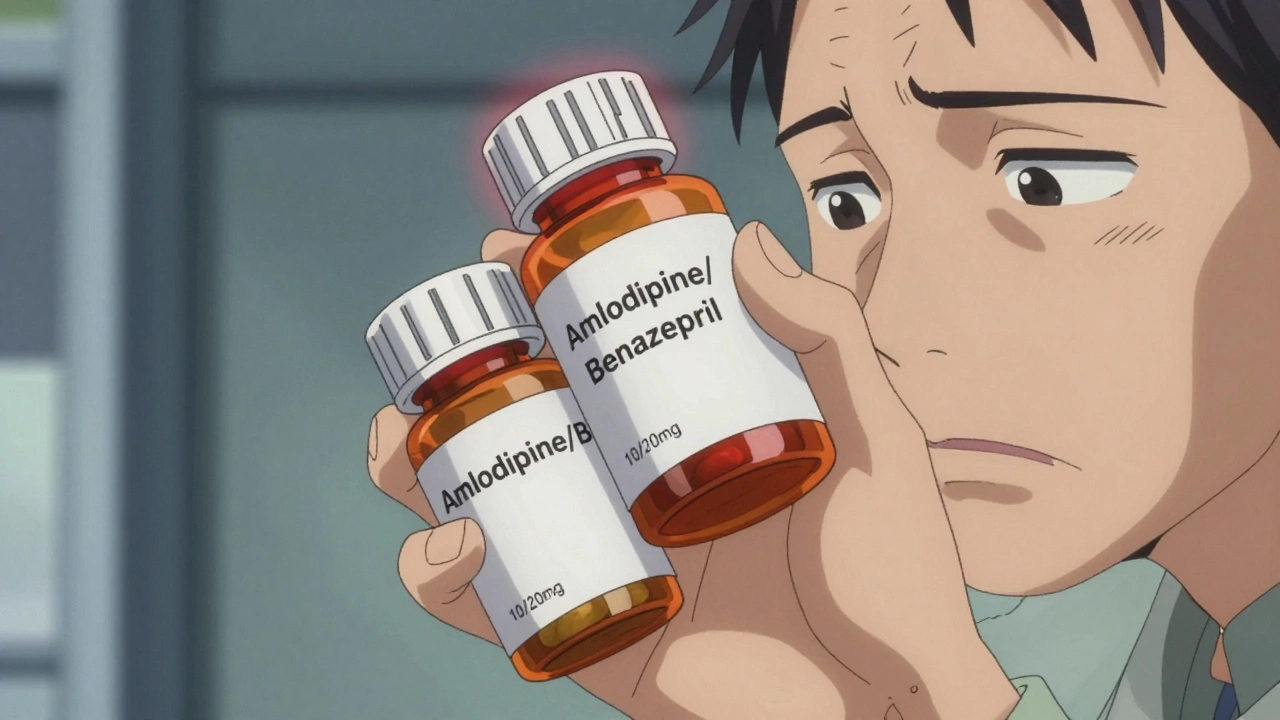
Managing Therapeutic Equivalents in Combination Drugs: Dose Differences and Real-World Risks
Managing therapeutic equivalence in combination drugs requires more than matching active ingredients. Dose differences, formulation changes, and narrow therapeutic index drugs can lead to serious risks - even when generics are FDA-approved.