
Ergonomics in Healthcare: Preventing Injury and Improving Safety for Staff and Patients
When we talk about ergonomics, the science of designing workspaces and tasks to fit the people who use them. Also known as human factors engineering, it’s not just about comfy chairs—it’s about stopping injuries before they happen. In hospitals, pharmacies, and clinics, workers lift patients, reach for meds, bend over counters, and sit for hours at computers. These small movements add up. The CDC says nearly 1 in 3 healthcare workers suffer a musculoskeletal disorder each year—mostly from lifting and repetitive motion. That’s not normal. That’s preventable.
Patient handling, the process of moving, transferring, or repositioning patients is one of the biggest risks. Nurses and aides lift patients daily without proper tools, leading to back injuries that end careers. Tools like mechanical lifts, slide sheets, and transfer belts aren’t luxuries—they’re necessities. And it’s not just about the patient. Workplace injury prevention, systematic steps to reduce physical strain in job tasks means adjusting counter heights so pharmacists don’t hunch over pill counters, using adjustable stools so technicians can work without twisting, and placing frequently used items within easy reach. These aren’t fancy upgrades. They’re basic safety measures.
Good ergonomics also helps patients. Think about how long someone sits in a stiff exam chair. Or how hard it is to read a tiny label on a pill bottle. Small changes—like adjustable seating, larger font on medication guides, or easier-to-open packaging—reduce stress and improve compliance. It’s all connected. When staff aren’t in pain, they’re more alert. When patients are comfortable, they’re more likely to follow treatment plans.
What you’ll find in the posts below isn’t theory. It’s real-world fixes. From how to avoid medication errors caused by cluttered workspaces, to why pharmacist burnout links directly to poor design, to how simple changes in how drugs are stored can cut down on mistakes. These aren’t just tips. They’re life-saving adjustments. And they don’t cost a fortune. They just require paying attention to how people actually work.
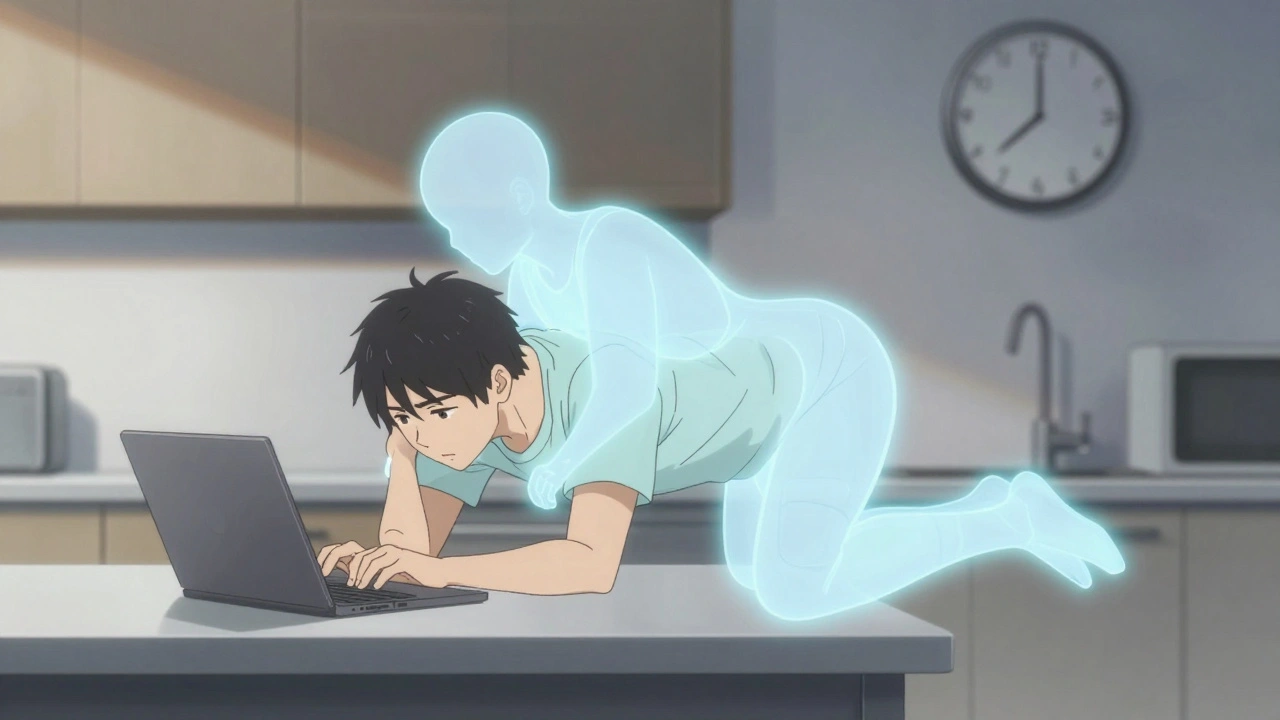
Ergonomics for Joint Health: Workstation and Posture Tips to Reduce Pain
Learn how to set up your workstation to reduce joint pain and improve posture. Science-backed tips for chairs, monitors, keyboards, and movement to protect your musculoskeletal health.