
Dose Equivalents: Understanding Drug Strengths and Safe Switches
When you hear dose equivalents, the measurable relationship between two drugs that produce the same therapeutic effect at different strengths. Also known as therapeutic equivalence, it’s not just about numbers on a pill bottle—it’s about making sure your body gets the right amount of medicine, whether you’re switching from brand to generic, or changing from one drug to another entirely. This matters every time your pharmacist swaps your prescription, your doctor adjusts your dose, or you’re told a new drug works "the same way." But "the same way" doesn’t always mean "the same dose."
Dose equivalents rely on science—not guesswork. They’re built from studies that track how your body absorbs, processes, and responds to a drug. For example, switching from 20mg of omeprazole to 40mg of pantoprazole isn’t random; it’s based on how each drug behaves in real patients. That’s where population pharmacokinetics, the study of how drugs move through diverse groups of people using real-world data. Also known as PopPK, it helps explain why two drugs that look identical on paper might need different dosing for older adults, people with kidney issues, or those taking multiple medications. Without this data, you risk underdosing—leaving your condition untreated—or overdosing, which can cause dangerous side effects. That’s why the FDA and pharmacists don’t just rely on old charts; they use updated, evidence-based conversions.
But dose equivalents aren’t just about chemistry. They’re tied to bioequivalence, the standard that proves a generic drug delivers the same amount of active ingredient into your bloodstream as the brand version. Also known as drug equivalence, it’s the reason you can trust a $5 generic instead of a $50 brand. Still, even bioequivalent drugs aren’t always interchangeable in practice. Some people react differently to fillers, coatings, or release mechanisms. That’s why your pharmacist checks your full list of meds before swapping—because interactions, kidney function, or age can change what "equivalent" really means for you.
You’ll find posts here that dig into how dose equivalents play out in real life: why some generics cause unexpected side effects, how QT prolongation risks shift when you switch antibiotics, and why switching from an oral steroid to a biologic isn’t just a dose change—it’s a whole new treatment path. You’ll also see how pharmacists use tools like DailyMed and medication lists to catch mismatches before they hurt you. These aren’t theoretical discussions. They’re about keeping you safe when your prescription changes—because a small error in dose equivalents can mean the difference between relief and emergency.
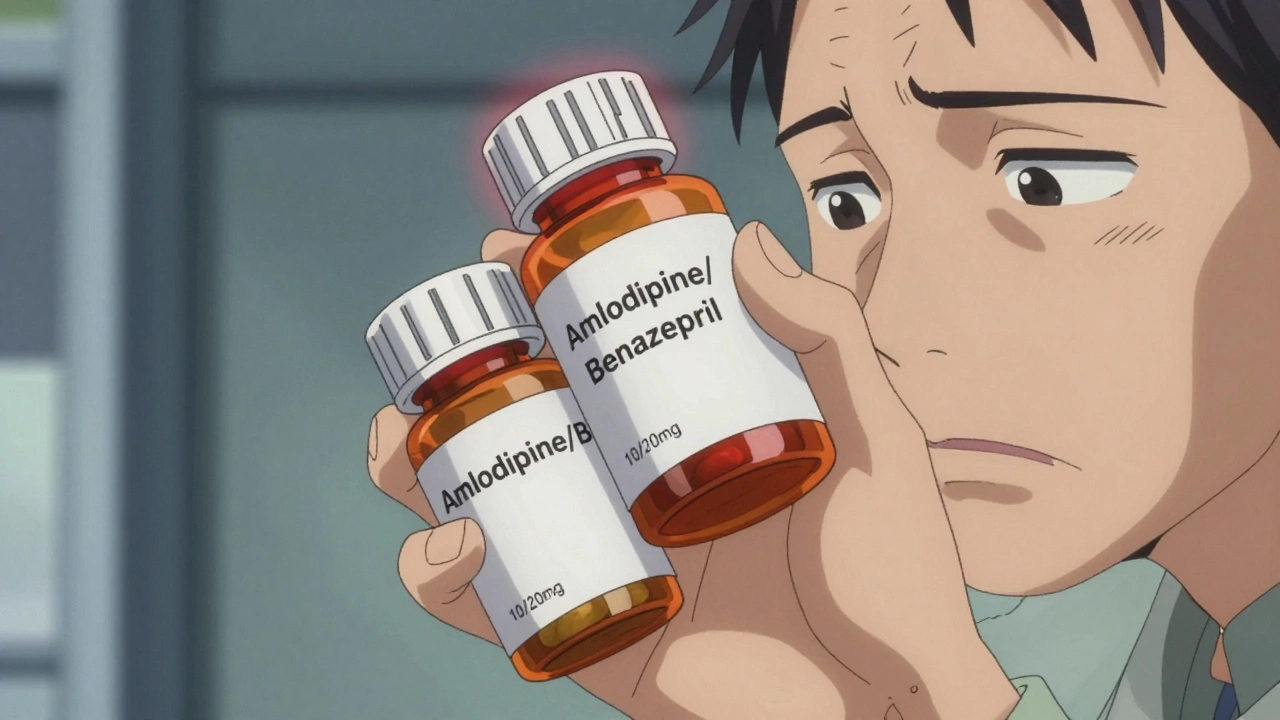
Managing Therapeutic Equivalents in Combination Drugs: Dose Differences and Real-World Risks
Managing therapeutic equivalence in combination drugs requires more than matching active ingredients. Dose differences, formulation changes, and narrow therapeutic index drugs can lead to serious risks - even when generics are FDA-approved.