
Dietary Supplements: What Works, What Doesn’t, and How to Stay Safe
When you buy a dietary supplement, a product taken orally to add nutrients or support health, often sold as pills, powders, or liquids. Also known as nutritional supplements, it might seem harmless—after all, it’s just a vitamin or herb. But supplements aren’t regulated like drugs, and many interact with medications you’re already taking. A study in the Journal of the American Medical Association found that over 70% of adults taking prescription drugs also use supplements, and nearly 1 in 5 of those combinations carry a known risk of serious side effects.
That’s why it’s not enough to just take what’s on the shelf. supplement interactions, when a supplement changes how a drug works in your body, either making it stronger, weaker, or causing unexpected reactions are real and often overlooked. For example, herbal safety, the risk of side effects or dangerous reactions from plant-based supplements like feverfew, St. John’s wort, or garlic extract is a major concern. Feverfew can thin your blood and clash with warfarin. St. John’s wort can make antidepressants, birth control, or even heart meds useless. And don’t assume "natural" means safe—many herbal products contain hidden ingredients, including unapproved pharmaceuticals.
Then there’s vitamin safety, the risk of toxicity or imbalance from taking too much of a vitamin, especially fat-soluble ones like A, D, E, and K. You can’t just keep taking more because "more is better." Too much vitamin D can raise calcium levels and damage your kidneys. Too much vitamin A can cause dizziness, nausea, and even liver damage. Even common ones like vitamin C or B-complex can cause problems if you’re on certain medications or have kidney issues.
And what about supplement efficacy, whether a supplement actually delivers the health benefit it claims? A lot of them don’t. Many products are poorly tested, lack standardized doses, or are made by companies that don’t follow good manufacturing practices. That’s why your pharmacy consultation service can be a game-changer—pharmacists can check your list against your meds and flag risks you didn’t even know about.
You’re not alone if you’re confused. People take supplements for energy, joint pain, sleep, immunity—but without clear info, it’s guesswork. The posts below cut through the noise. You’ll find real data on what supplements actually help, which ones to avoid with your meds, and how to spot unsafe products. Whether you’re on blood thinners, antidepressants, or just trying to feel better, this isn’t about pushing supplements. It’s about helping you make smart, safe choices—so you don’t end up in the ER because you thought a pill labeled "natural" couldn’t hurt you.
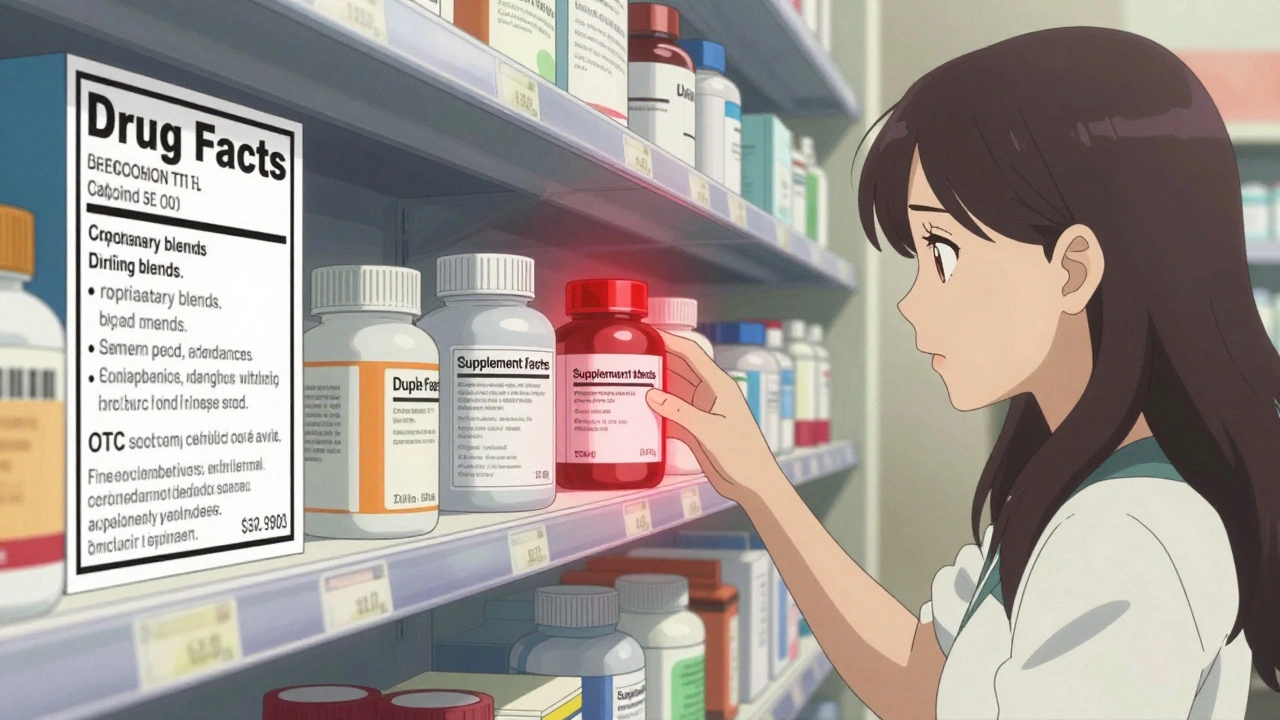
OTC Vitamins and Supplements: What the Drug Facts Label Doesn't Tell You
OTC vitamins and supplements don't follow the same labeling rules as medications. Learn what the Supplement Facts panel hides - from dangerous interactions to undeclared ingredients - and how to protect yourself.