
Combination Drugs: What They Are, How They Work, and Why They Matter
When you take a combination drug, a single pill that contains two or more active medications. Also known as fixed-dose combinations, these pills are designed to treat multiple symptoms or conditions at once—like high blood pressure and cholesterol, or diabetes and its complications. They’re not just convenient; they’re often the smartest way to manage long-term health issues without overwhelming your daily routine.
Combination drugs reduce polypharmacy, the use of multiple medications by a single patient, which is a major risk for older adults and people with chronic diseases. Instead of swallowing five separate pills, you might take just two—each one doing the job of two or three. This cuts down on confusion, missed doses, and dangerous drug interactions, when two or more medicines react in harmful ways inside your body. But they’re not risk-free. Some combinations are carefully tested and approved; others are pushed to market too fast, hiding side effects or making it harder to tell which drug is causing a problem.
Many of the combination drugs you’ve heard about—like those for high blood pressure or HIV—are built on solid science. But others are just brand-name companies repackaging old pills together to extend patent life. That’s why knowing what’s inside matters. A pill labeled "Amlodipine/Hydrochlorothiazide" tells you exactly what you’re getting. But if it’s sold under a fancy brand name without clear labeling, you might not realize it contains a diuretic, a beta-blocker, or even an NSAID. And if you’re already taking other meds, that hidden ingredient could be dangerous.
Doctors and pharmacists use combination drugs to improve medication simplification, the process of reducing the number of pills a patient takes while keeping treatment effective. It’s one of the most proven ways to help people stick with their treatment—especially when managing diabetes, heart disease, or mental health conditions. But simplification shouldn’t mean hiding complexity. You need to know what’s in each pill, why it’s there, and what to watch for. That’s why checking your personal medication list and talking to your pharmacist matters more than ever.
The posts below cover real-world examples of how combination drugs are used, misused, and monitored—from how they help older adults stay on track, to how hidden ingredients in generic versions can cause unexpected side effects. You’ll find guides on spotting dangerous interactions, understanding what’s really in your pills, and when to ask for a simpler alternative. No fluff. No jargon. Just what you need to stay safe and in control of your treatment.
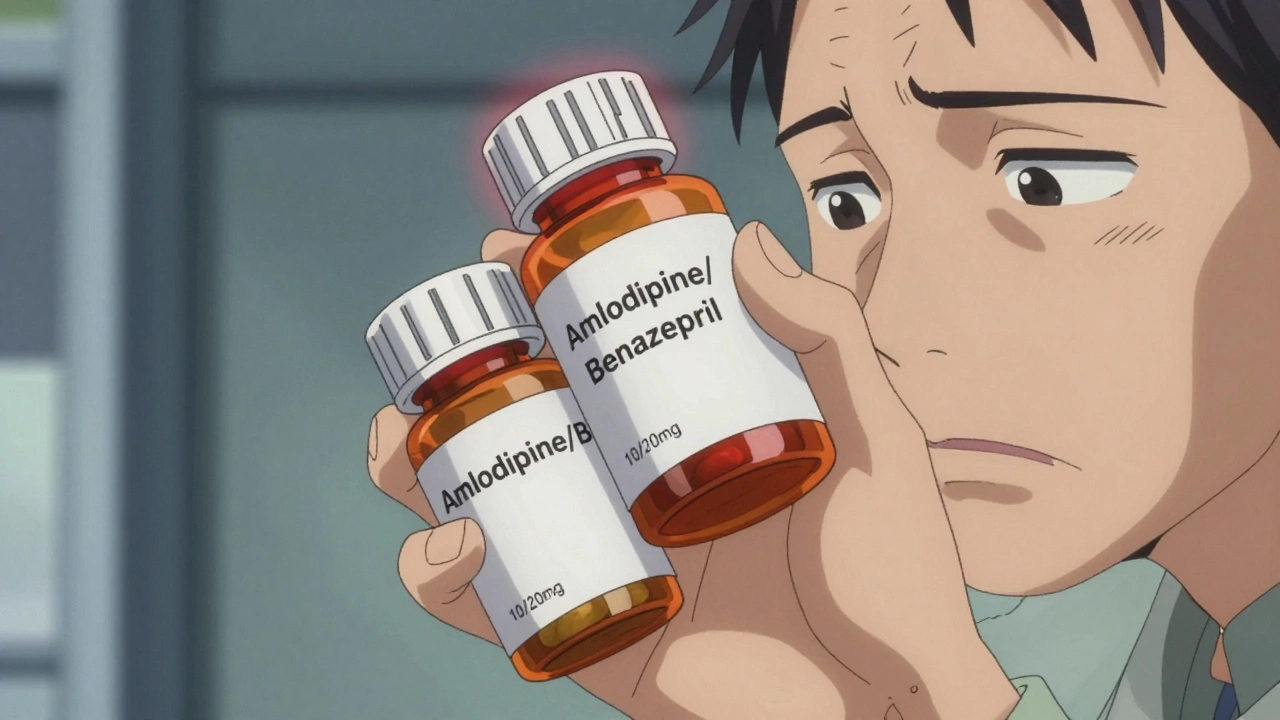
Managing Therapeutic Equivalents in Combination Drugs: Dose Differences and Real-World Risks
Managing therapeutic equivalence in combination drugs requires more than matching active ingredients. Dose differences, formulation changes, and narrow therapeutic index drugs can lead to serious risks - even when generics are FDA-approved.