
When a new product hits the market, you’d expect it to be expensive. After all, it’s new, it’s fresh, and the company spent millions developing it. But here’s the twist: the first generic entry often causes prices to plummet - sometimes by more than 80% - right out of the gate. This isn’t a sale. It’s not a promotion. It’s a market earthquake.
What Exactly Is a First Generic Entry?
A first generic entry happens when someone releases a version of a product that does the same thing as the original, but without paying licensing fees or owning the patent. Think of it like a knockoff, but legal and often better. In pharma, it’s when a drug company makes the same medicine after the brand-name patent expires. In software, it’s when a startup builds a database, CRM, or analytics tool that works just like Oracle or Salesforce - but costs a fraction. The moment that first generic product launches, the original company’s pricing power vanishes. Customers aren’t loyal to brands anymore. They’re loyal to value. And value, in this case, means paying less for nearly the same result.How Big Is the Price Drop?
The numbers don’t lie. In pharmaceuticals, the first generic drug typically causes prices to fall by 76% within six months, according to the Congressional Budget Office. That’s not a rumor. That’s official data. In software, it’s just as dramatic. When PostgreSQL - a free, open-source database - became a viable alternative to Oracle, companies started switching. One Reddit user reported cutting their licensing costs by 78%. Another company switched from a $200,000/year enterprise software license to a $45,000/year open-source version with comparable performance. That’s not a discount. That’s a revolution. Even in consumer electronics, the pattern holds. When Apple launched the iPod in 2001 for $399, it was the only game in town. By 2005, dozens of cheaper players hit the market. Apple’s price dropped to $199. Today, you can buy a basic music player for under $50. The same thing happened with smart TVs, laptops, and even fitness trackers.Why Do Prices Crash So Fast?
It’s not just competition. It’s a shift in how customers think. Before the first generic arrives, the original company has monopoly power. They control supply. They control price. Customers have no choice. But the moment a credible alternative shows up, everything flips. Customers start asking: “Why am I paying five times more for the same thing?” That’s when the pressure hits. The original vendor either drops prices, adds more features, or loses market share. Most choose to drop prices - fast. Here’s the kicker: the first generic doesn’t need to be perfect. It just needs to be good enough. Studies show that most generic alternatives deliver 80-90% of the original’s functionality at launch. For most businesses, that’s more than enough. They don’t need the fancy bells and whistles. They need reliability and affordability.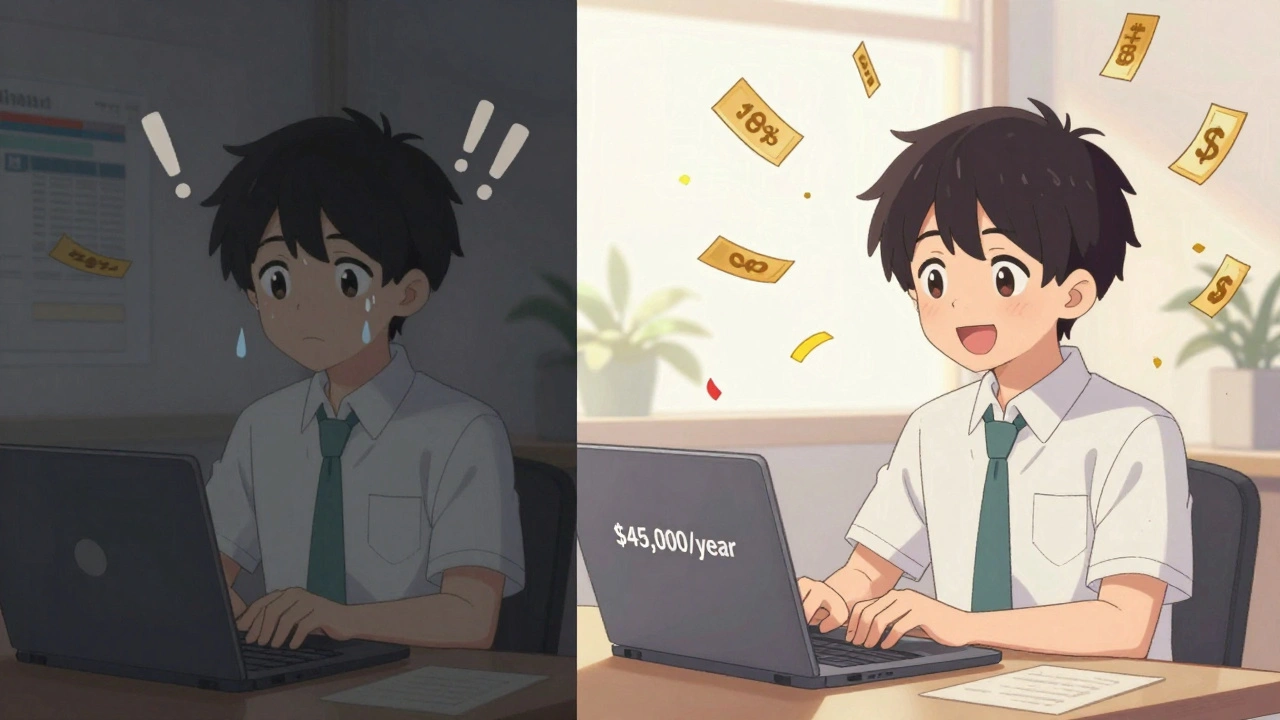
Who Benefits From This?
Everyone except the original vendor. Businesses save millions. A Fortune 500 company switching from a proprietary CRM to a generic alternative might save $1.2 million per year in licensing fees alone. Small businesses? They go from being priced out of the market to being able to afford tools that were once only for big corporations. Developers benefit too. Open-source tools like Linux, Apache, and PostgreSQL have become the backbone of modern tech. They’re free to use, easy to customize, and backed by massive global communities. Companies like Microsoft and Google now actively contribute to these tools - not because they’re altruistic, but because they know the future is built on them. Even consumers win. When enterprise software gets cheaper, those savings trickle down. Cloud services, SaaS platforms, and even mobile apps become more affordable because the underlying tech costs less to build and maintain.What’s the Catch?
It’s not all sunshine. There are trade-offs. First generic products often come with less hand-holding. The original vendor had a team of support reps, training videos, and dedicated account managers. The generic version? You get a forum, a GitHub page, and maybe a paid support tier. Some users report needing 20-30% more time to set up generic tools. Integration can be messy. Documentation isn’t always clear. And if something breaks, you can’t just call a hotline. But here’s what most people learn: the trade-off is worth it. You pay less upfront. You own your data. You’re not locked into a contract. And if you hit a wall, the community usually has a solution.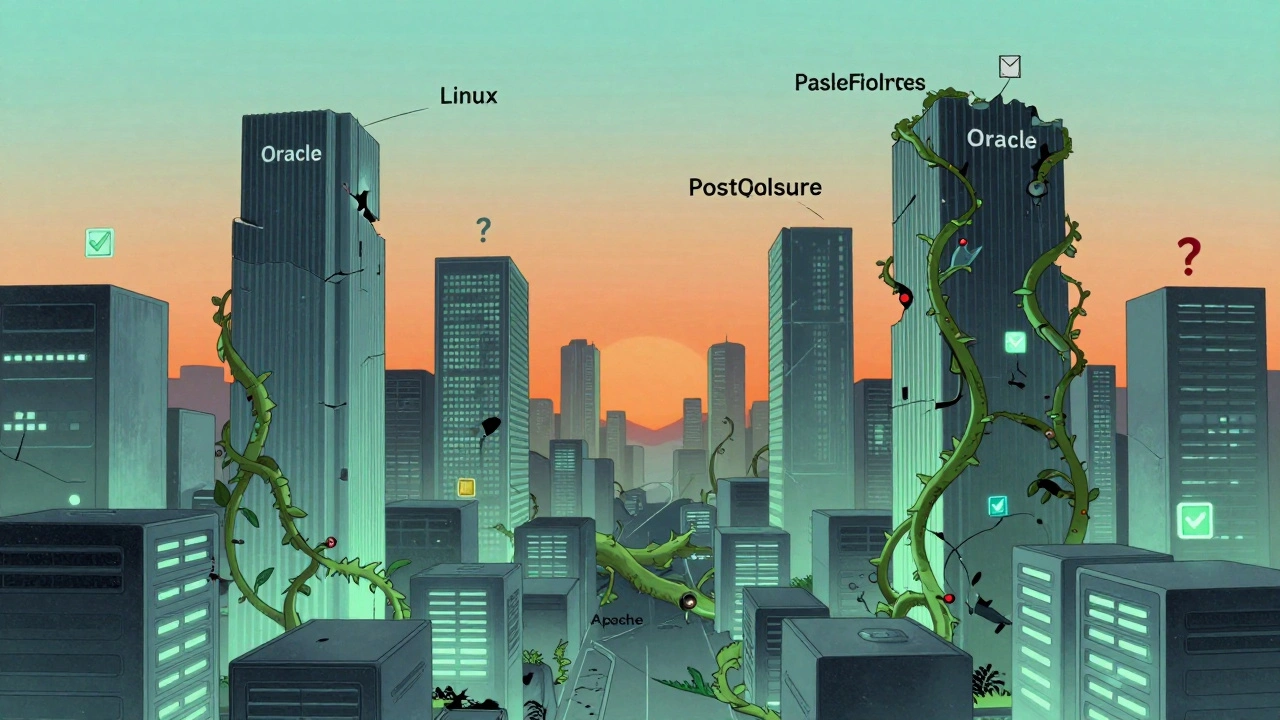
Why Now? Why So Fast?
The speed of first generic entries has exploded. In 2010, it took an average of 18 months after a patent expired for a generic version to appear. Today? It’s six months. Sometimes less. Why? Because building software is cheaper than ever. Cloud infrastructure costs pennies. Open-source code is free. Developers can work remotely from anywhere in the world. A small team with $50,000 and six months can build a product that challenges a billion-dollar company. Regulations are helping too. The EU’s Digital Markets Act now forces big tech to make their systems interoperable. That means switching from one platform to another is easier than ever. No more vendor lock-in. And companies are ready. Sixty-seven percent of Fortune 500 firms now have formal processes to evaluate generic alternatives within three months of launch. That’s up from just 32% in 2018.What Does This Mean for You?
If you’re a business owner, IT manager, or even just someone who buys software: don’t pay full price unless you have to. Wait. Watch. Evaluate. When a first generic entry appears, give it a serious look. Check reviews on G2 or Capterra. Look for users who say they saved money without losing functionality. Most will tell you the same thing: “It worked better than I expected.” If you’re a vendor? You’re either adapting or dying. The days of charging premium prices for basic features are over. The smart ones are moving to usage-based pricing, freemium models, or selling support and services instead of licenses. MongoDB, for example, gives away its database for free - but charges for cloud hosting and advanced tools. That’s how you win now.The Future Is Generic
By 2027, open-source and generic alternatives are expected to capture 35% of the enterprise software market. That’s not a prediction. It’s a trajectory. The cost of building software keeps dropping. The demand for affordability keeps rising. And customers? They’re not going back to overpriced, locked-in systems. The first generic entry isn’t a glitch in the system. It’s the system working the way it should. Innovation doesn’t have to come from one company. It can come from anyone who sees a better way. If you’re still paying full price for software that has a cheaper, equally capable alternative - you’re leaving money on the table. And someone else is already taking it.What is a first generic entry?
A first generic entry is the first time a competitor releases a product that matches the functionality of a proprietary product - usually after patents expire or through reverse engineering. It triggers immediate price drops because customers now have a cheaper, credible alternative.
Why do prices drop so much after a generic entry?
Because customers no longer have to pay a premium for exclusivity. Once a viable alternative exists, the original vendor loses pricing power. The market shifts from scarcity to abundance, and prices follow. In pharma, prices fall an average of 76% within six months. In software, discounts of 40-80% are common.
Do generic products work as well as the originals?
Yes, for most use cases. First generic products typically deliver 80-90% of the original’s functionality at launch. Most businesses don’t need the extra features - they just need reliability and low cost. Many users report switching from Oracle to PostgreSQL and saving over 75% with no performance loss.
Are there downsides to switching to a generic product?
Yes. Support is often less structured. Documentation might be thinner. Setup can take longer - sometimes 20-30% more time. But these trade-offs are usually worth it. Most companies that switch stay with the generic version because the long-term savings outweigh the initial hassle.
How can I find first generic alternatives?
Start by searching for open-source alternatives to the software you use. For example, if you use Salesforce, look into HubSpot or Odoo. If you use Oracle, check out PostgreSQL or MySQL. Read reviews on G2, Capterra, or Reddit. Look for posts from users who say they saved money without losing key features.
Will this trend keep going?
Absolutely. The cost of building software is falling. Cloud infrastructure is cheaper. Communities are bigger. Regulations now favor interoperability. By 2027, open-source and generic alternatives could capture 35% of the enterprise software market. The days of high-margin, locked-in software are ending.
Eddie Bennett
December 12, 2025 AT 07:11Man, I remember when we paid $50k/year for that CRM software. Then we switched to Odoo and saved 80%. The UI was clunky at first, but after a week, we didn’t miss the fancy animations or the sales reps calling every Monday. Just worked. Same data, same reports, no bullshit.
Now I just wait for the first generic to drop before I even look at the original. Why pay for a brand when the function’s the same?
Sylvia Frenzel
December 12, 2025 AT 13:14This is why America’s economy is crumbling. Companies used to invest in quality, innovation, real R&D. Now everyone just waits for someone else to build it, then copies it for pennies. No respect for the work that went into making the original. Just free riders.
Paul Dixon
December 13, 2025 AT 02:57My buddy’s startup used PostgreSQL instead of Oracle. Saved $200k in year one. They had to hire a DBA for a month to tweak things, but now they’re running smoother than before. No vendor breathing down their neck. No renewal notices. Just pure freedom.
Also, the community docs are way better than Oracle’s. Seriously.
Vivian Amadi
December 14, 2025 AT 16:48Oh please. You think generic software is ‘good enough’? I’ve seen it. One time we switched to a ‘free’ analytics tool and lost three weeks of data because the export function broke. No one answered the forum. No SLA. No backup plan. You think saving money is worth your company’s reputation? Think again.
Jimmy Kärnfeldt
December 15, 2025 AT 14:18It’s not about replacing the original. It’s about evolution. The first generic isn’t stealing - it’s democratizing. What was once a luxury for Fortune 500s is now accessible to a kid in a garage with a laptop.
And honestly? That’s the point of innovation. Not hoarding. Not locking. Not charging $100k for a button that does what a free tool does.
Maybe the original vendors should’ve built better products instead of relying on monopoly pricing. The market’s just catching up.
Ariel Nichole
December 16, 2025 AT 00:13I love how this plays out in the open-source world. Companies like Microsoft and Google used to fight tooth and nail against Linux. Now they’re the biggest contributors. Why? Because they realized the ecosystem lifts all boats.
Even if you don’t use the free tool, you benefit from the innovation it forces on the paid ones. It’s not destruction - it’s pressure that makes everyone better.
john damon
December 16, 2025 AT 16:32Just switched my entire team to LibreOffice last month. 💸💸💸 Saved $12k in licenses. No one even noticed. My boss thought I was joking. Then he saw the invoice. Now he’s asking how to do it for the whole company 😂
Also, the docs are weird but hey - it works. And no one’s tracking my clicks. Win win.
matthew dendle
December 17, 2025 AT 16:28generic? more like lazy copycat software. original devs spent years building this. you think its fair to just rip it off and sell it for 5% of the price? no one cares about support? good. because then you get what you paid for: broken shit and no one to fix it.
also why do people think ‘open source’ means ‘no bugs’? lol. i’ve seen the github issues. its a zoo.
Monica Evan
December 19, 2025 AT 03:26My cousin runs a small dental clinic. Used to pay $8k/year for their scheduling software. Switched to a generic open-source one after the patent expired. Paid $200 for a freelancer to tweak the UI. Now they’re saving $7k a year.
They still get reminders, calendar sync, patient portals - all the good stuff. The only thing missing? The guy who used to call them every quarter to upsell. Turns out, they didn’t miss him either.
And yeah, the manual’s in broken English. But YouTube has 37 tutorials. We’re good.
Taylor Dressler
December 19, 2025 AT 11:38The real story here isn’t the price drop - it’s the shift in power. For decades, vendors controlled the narrative: ‘You need this.’ Now, customers control it: ‘I’ll pay for what works.’
That’s not chaos. That’s market efficiency. The original vendors who adapt - by offering services, not licenses - thrive. The ones who cling to old models? They fade. Simple as that.
And yes, the first generic isn’t perfect. But it’s a catalyst. And catalysts don’t need to be flawless to change everything.
Aidan Stacey
December 20, 2025 AT 22:27When I first saw PostgreSQL, I thought it was a joke. A free database? No way it could handle our load. Then we migrated 12 million records over a weekend. Zero downtime. Faster queries than Oracle. Our dev team cheered. Our CFO cried tears of joy.
Now I tell every startup I know: Don’t buy. Build. Or better yet - steal. I mean, use the open-source version. It’s not stealing if it’s legal. It’s just smart.
Jean Claude de La Ronde
December 22, 2025 AT 15:46you ever wonder why the original companies never fix their pricing? because they know. they know the generic is coming. they know you’ll switch. so they just raise prices every year like it’s a tax. then when the free version drops? they pretend to be shocked.
it’s not capitalism. it’s a rigged game. and the only winners are the ones who waited.