
OTC Medicines: What You Need to Know Before You Buy
When you pick up an OTC medicine, a drug you can buy without a prescription. Also known as over-the-counter drugs, it’s meant to be safe for self-use—until it isn’t. Millions reach for pain relievers, antacids, or allergy pills every day without thinking twice. But these aren’t harmless candies. Many OTC medicines carry risks that don’t show up on the label—like liver damage from daily acetaminophen, kidney stress from NSAIDs, or dangerous interactions with prescription drugs you’re already taking.
Take proton pump inhibitors, a common class of OTC heartburn meds. Also known as PPIs, they’re sold as quick fixes for acid reflux, but long-term use links to bone fractures, low magnesium, and B12 deficiency. Or consider benzodiazepines, sometimes found in OTC sleep aids or anxiety formulas. Also known as benzos, they’re not supposed to be taken daily, yet people do—risking dependence, memory loss, and deadly mixes with alcohol or opioids. Even natural supplements like feverfew, a herb marketed for migraines. Also known as natural remedy for headaches, it can thin your blood and cause dangerous bleeding if you’re on warfarin or aspirin. The FDA approves these drugs for sale, but approval doesn’t mean safety for everyone, all the time.
What you won’t find on the bottle? Real-world data. Clinical trials test drugs under controlled conditions, but millions of people use OTC meds differently—mixing them, doubling doses, taking them for months or years. That’s where side effects multiply. A study from the CDC found over 100,000 emergency visits each year are tied to OTC drug misuse. And it’s not just the elderly. Young adults pop sleep aids with alcohol. Parents give kids multiple cold meds with overlapping ingredients. People with chronic pain rely on NSAIDs until their stomach bleeds. These aren’t rare cases. They’re predictable outcomes of misunderstanding what "safe" really means.
Here’s the truth: OTC medicines are powerful tools when used right. But they’re also the most overlooked source of harm in home healthcare. You don’t need a prescription to buy them—but you do need to know how they work, who they affect, and when to stop. Below, you’ll find clear, no-fluff guides on what’s actually safe, what’s risky, and how to avoid the mistakes most people make with everyday meds.
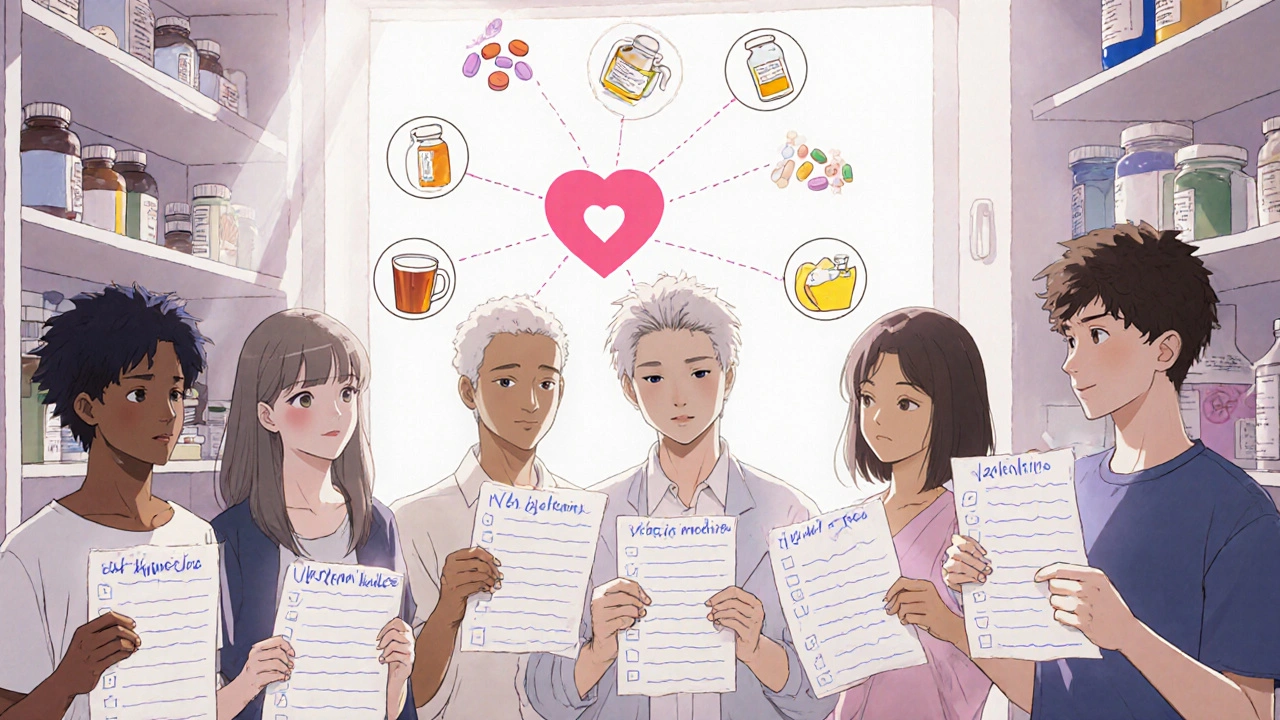
Creating Your Personal Medication List: What to Include for Safety
A personal medication list saves lives by preventing dangerous drug interactions. Learn exactly what to include-prescriptions, OTC drugs, supplements, allergies-and how to keep it updated for maximum safety.