
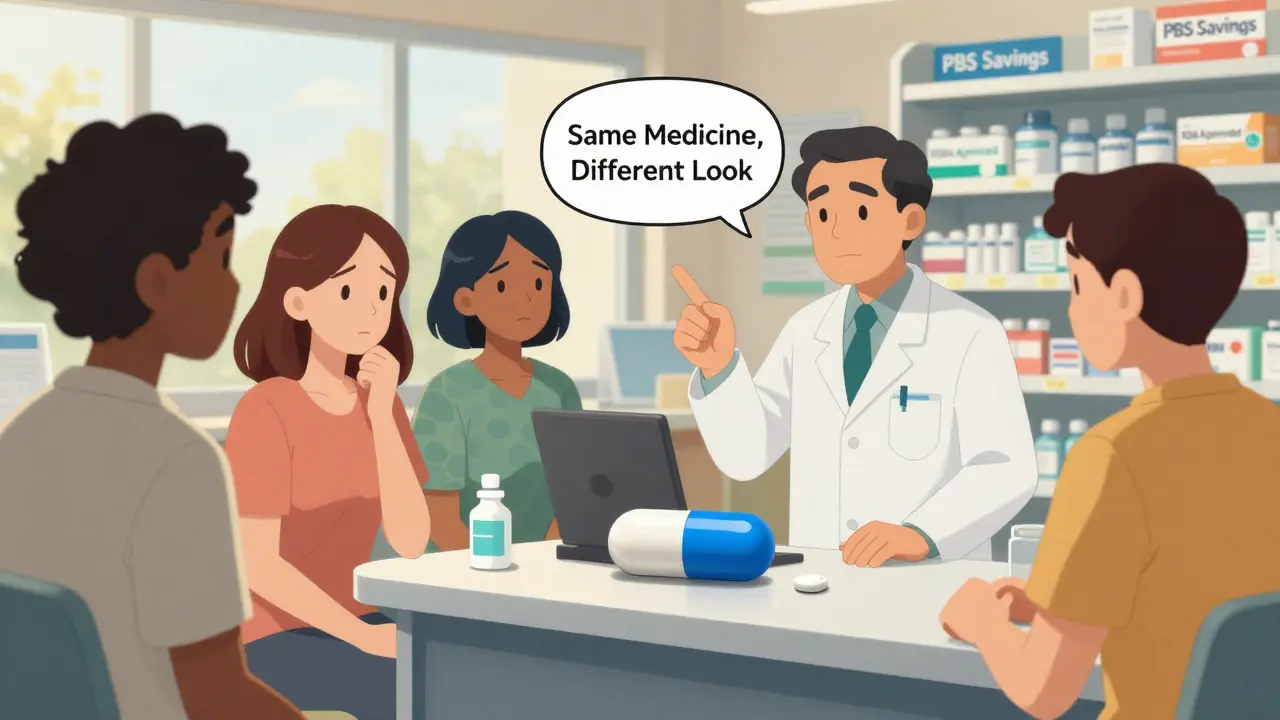
Why You Might Be Switching to Generic Drugs
If you’ve noticed your prescription pill looks different lately, or your pharmacy handed you a cheaper box with a new name, you’re not alone. More than 90% of prescriptions filled in the U.S. are for generic drugs, and Australia’s PBS system is pushing the same trend. The reason? Cost. Brand-name drugs can cost ten times more than their generic versions. For many people, that difference means choosing between taking your medicine and skipping doses. A 2019 report found that patients were 266% more likely to abandon a brand-name drug because of price. Generics, on the other hand, often cost under $20 a month. That’s not just savings-it’s access.
What Exactly Is a Generic Drug?
A generic drug isn’t a copy. It’s the same medicine. The FDA and TGA (Therapeutic Goods Administration in Australia) require generics to contain the exact same active ingredient, in the same strength, and work the same way in your body as the brand-name version. They must pass strict bioequivalence tests-meaning they deliver the drug into your bloodstream at nearly identical rates and amounts. The difference? The inactive stuff: the color, shape, flavor, or filler. These don’t affect how the drug works, but they can change how the pill looks or feels. That’s why your new generic might be a small white oval instead of a large blue capsule. It’s still the same medicine inside.
When Switching Works Perfectly
For most people, switching to a generic drug is seamless. A 2022 review of 1,245 patient reviews on Drugs.com showed that 78% rated generic medications as ‘good’ or ‘excellent’ for effectiveness. People taking blood pressure meds, antibiotics, or diabetes drugs rarely notice a difference. In fact, many report feeling better because they can finally afford to take their medicine every day. One patient in Perth told me: “I was skipping my statin because it cost $120 a month. Switched to the generic-now I take it without thinking. My cholesterol dropped.” That’s the real win: adherence. When cost drops, people take their meds. And that’s what saves lives.
When Switching Can Cause Problems
Not all drugs play nice with switches. Some have what’s called a “narrow therapeutic index.” That means the difference between the right dose and a harmful one is tiny. For these, even small changes in how the drug is absorbed can matter. The biggest red flags are:
- Levothyroxine (for hypothyroidism): Patients report wild swings in TSH levels after switching brands. One person’s TSH jumped from 2.5 to 8.7 after switching from Synthroid to a generic.
- Warfarin (a blood thinner): Tiny changes in absorption can lead to clots or bleeding. Many doctors avoid switching unless absolutely necessary.
- Anti-seizure drugs: Multiple studies show increased seizure frequency after switching generics. Epilepsy patients often need to stick with one version-brand or generic-for stability.
If you’re on one of these, don’t assume the switch is safe. Talk to your doctor before your pharmacy changes anything.
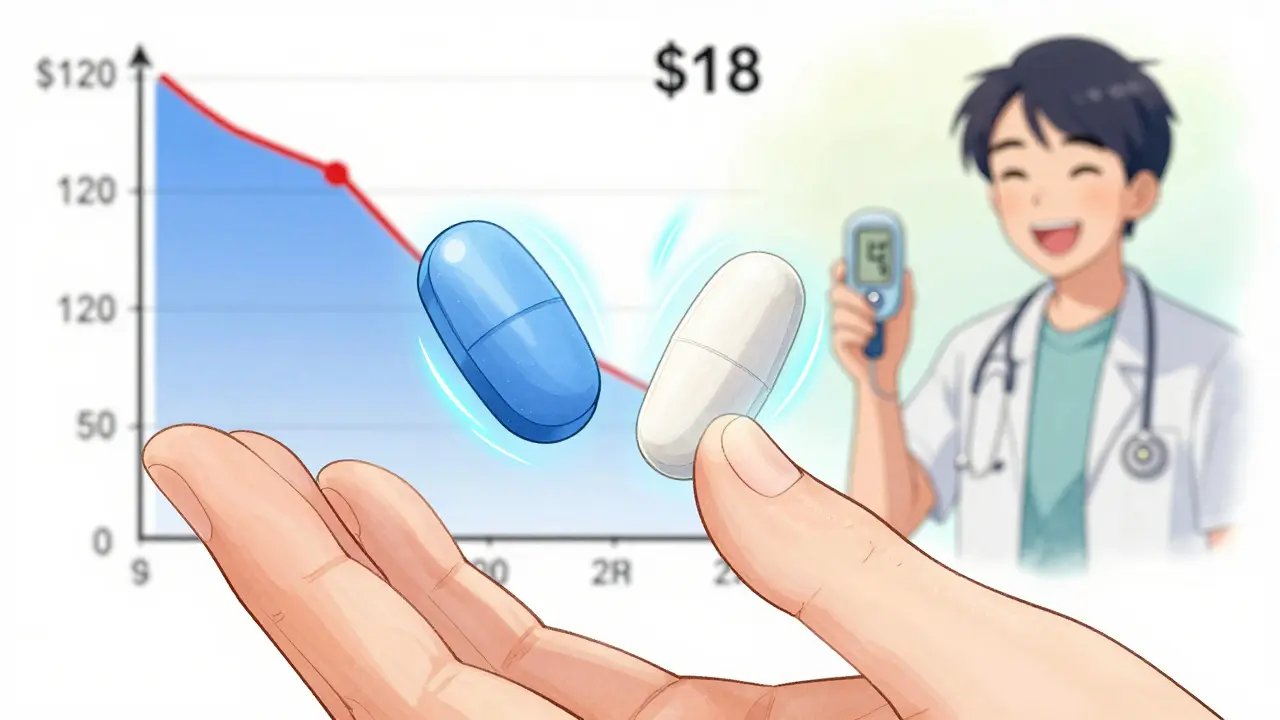
Why Your Pill Keeps Changing
Ever get the same generic drug, but it looks different every time? That’s because pharmacies don’t always get the same manufacturer. In Australia, the PBS negotiates bulk prices, and contracts change yearly. If a different company wins the bid, your pill changes-even if it’s the same generic. In Saudi Arabia, over 25% of medications switched between brand and generic versions in just five years because of annual bidding. The same happens here. It’s not a mistake-it’s how the system works. But it can confuse patients. One man in Melbourne told me he thought his new pill was a different drug because it was green instead of yellow. He stopped taking it. That’s dangerous.
What You Can Do to Stay Safe
You don’t have to accept surprises. Here’s how to take control:
- Ask your doctor to write “Dispense as Written” on your prescription if you’re on a high-risk drug like levothyroxine or warfarin. That stops the pharmacist from switching.
- Check the pill appearance when you pick it up. If it looks different, ask the pharmacist: “Is this the same generic I’ve been taking?” They can tell you if it’s a new manufacturer.
- Use the same pharmacy every time. They’ll track your meds and flag changes.
- Monitor your symptoms for two weeks after a switch. Did your blood pressure change? Are you more tired? Any new side effects? Tell your doctor.
- Don’t panic over recalls. Generic drugs are held to the same safety standards as brand-name ones. A recall doesn’t mean the drug is unsafe-it means a batch had a packaging flaw or contamination. The TGA investigates and acts fast.
Cost vs. Risk: The Real Trade-Off
Yes, generics save money. The U.S. saved $370 billion in 2023 just from generics. In Australia, the PBS saved over $1.5 billion in 2025. But savings shouldn’t come at the cost of your health. If you feel worse after switching, speak up. Many patients assume their new symptoms are “just aging” or “stress.” But if your thyroid levels went off after a switch, or your seizures returned, it’s likely the drug change. Don’t blame yourself. Your body may just need the exact formula it’s used to.
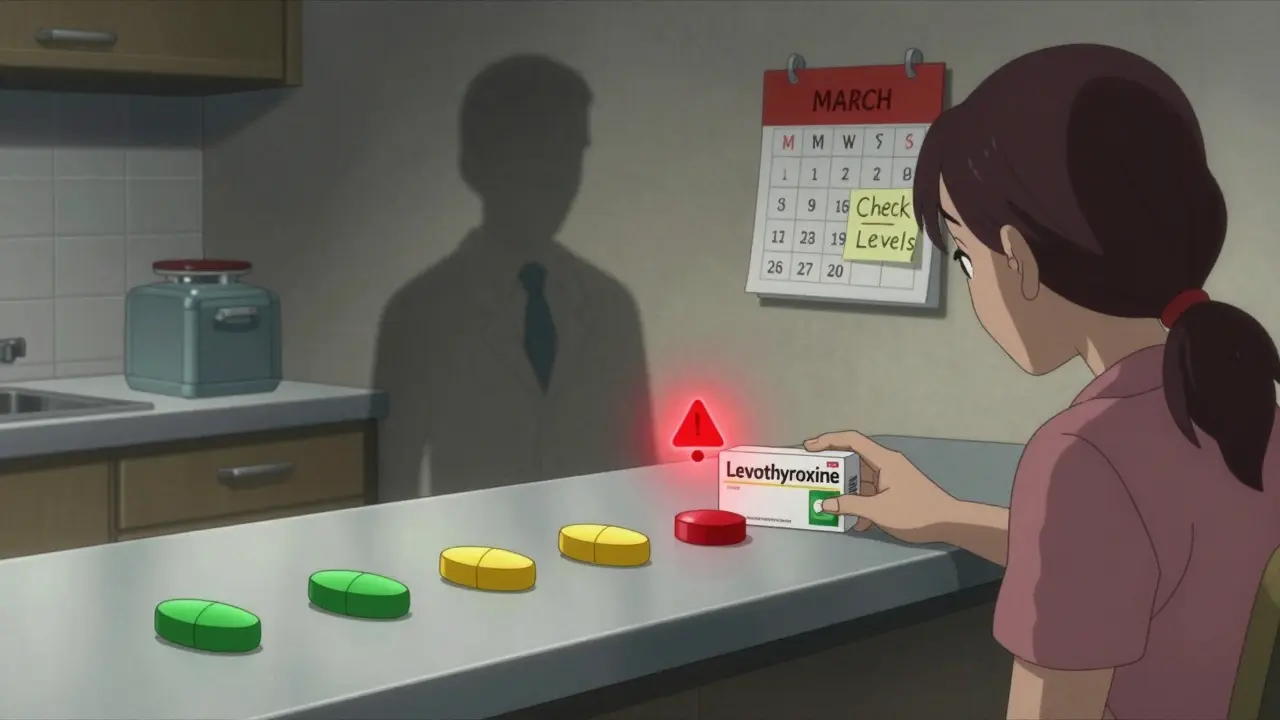
What Doctors and Pharmacists Are Doing Differently Now
Healthcare providers are waking up to the confusion. In Massachusetts, pharmacists now put bright labels on generic bottles saying: “This is the same medicine as your previous pill-just made by a different company.” Some pharmacies in Perth are doing the same. Others print a small note on the label: “Same active ingredient. Different shape/color.” It sounds simple, but it cuts down on anxiety. Doctors are also more likely to ask: “Have you switched medications lately?” instead of assuming everything’s fine. That’s progress.
Final Thought: It’s Not About Brand-It’s About Consistency
The real issue isn’t whether generics work. They do-for most people, most of the time. The real issue is inconsistency. Switching between manufacturers, changing pill shapes, and not being told why it happened creates fear and confusion. That fear leads to skipped doses. And skipped doses lead to hospital visits, which cost way more than the drug savings. The goal shouldn’t be to force everyone onto generics. It should be to make switching safe, predictable, and transparent. If you’re stable on a brand-name drug, you have the right to stay on it. If you’re on a generic and feel fine, keep going. But never assume the switch is harmless. Ask questions. Track changes. Your health isn’t a cost-cutting experiment.
Frequently Asked Questions
Are generic drugs as safe as brand-name drugs?
Yes. Generic drugs must meet the same strict safety, strength, quality, and purity standards as brand-name drugs. The TGA in Australia and the FDA in the U.S. require them to prove they work the same way in the body. There’s no evidence that generics are less safe overall. However, rare cases of intolerance to inactive ingredients (like dyes or fillers) can happen, which is why it’s important to report any new side effects.
Why do generic pills look different?
Trademark laws prevent generic manufacturers from making pills that look exactly like brand-name versions. So they change the color, shape, or size. But the active ingredient-the part that treats your condition-is identical. The difference is only cosmetic. If you’re confused by the change, ask your pharmacist to confirm it’s the same medication.
Can I ask my doctor to keep me on the brand-name drug?
Absolutely. If you’re on a drug with a narrow therapeutic index-like levothyroxine, warfarin, or anti-seizure meds-or if you’ve had issues after switching before, your doctor can write “Dispense as Written” on your prescription. This tells the pharmacy not to substitute it with a generic. Insurance may require you to try the generic first, but you can appeal if it doesn’t work for you.
What should I do if I feel worse after switching to a generic?
Don’t ignore it. Track your symptoms-when they started, how bad they are, and if they match any changes in your routine. Then contact your doctor. For drugs like thyroid medication or blood thinners, a simple blood test can show if your levels are off due to the switch. You may need to go back to your original version. Many patients feel better once they return to the formula their body is used to.
Are generic drugs made in the same places as brand-name ones?
Yes. Many brand-name drugs are made in the same factories as generics. In fact, the same company often makes both. For example, the maker of Lipitor also makes generic atorvastatin. Even if a generic is made overseas, it must meet the same quality standards as those made locally. The TGA inspects foreign manufacturing sites just like local ones. Don’t assume overseas = lower quality. The system is designed to prevent that.
Next Steps: What to Do Today
If you’re on a chronic medication, check your last prescription. Did your pharmacy switch you to a generic without telling you? If so, look at the pill. Does it look different? If yes, call your pharmacist and ask: “Is this the same generic I’ve been taking?” Write down the name of the manufacturer on the bottle. Next time you refill, check again. If you’re on levothyroxine, warfarin, or an anti-seizure drug, ask your doctor to write “Dispense as Written” on your script. And if you’ve noticed any new symptoms since switching-fatigue, dizziness, mood changes, or worsening of your condition-book an appointment. Your body is telling you something. Listen to it.
Gaurav Meena
February 1, 2026 AT 03:08Natasha Plebani
February 2, 2026 AT 02:57Rob Webber
February 2, 2026 AT 07:42calanha nevin
February 2, 2026 AT 18:12Lisa McCluskey
February 2, 2026 AT 19:11owori patrick
February 4, 2026 AT 12:48Claire Wiltshire
February 4, 2026 AT 18:41Darren Gormley
February 6, 2026 AT 02:20Mike Rose
February 7, 2026 AT 02:31Russ Kelemen
February 8, 2026 AT 14:17Diksha Srivastava
February 9, 2026 AT 07:36Sarah Blevins
February 10, 2026 AT 10:21Jason Xin
February 11, 2026 AT 17:13Yanaton Whittaker
February 12, 2026 AT 02:49Melissa Cogswell
February 12, 2026 AT 17:14