
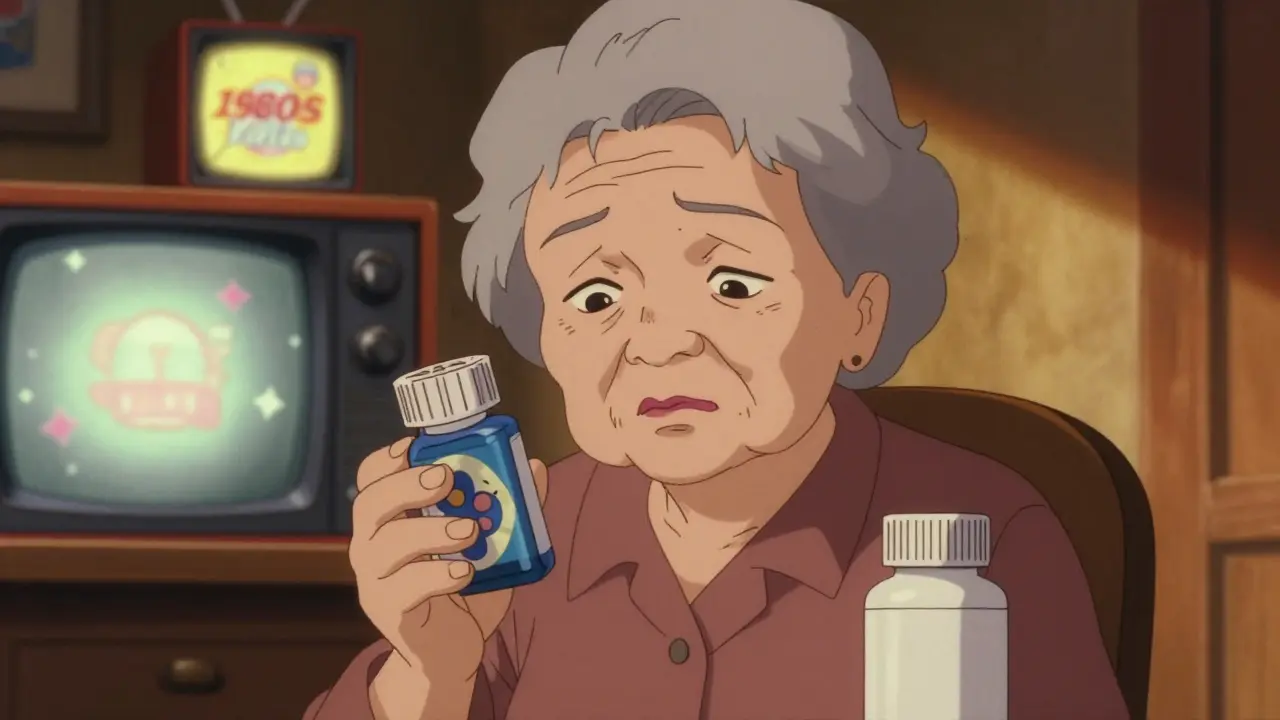
Why do some people refuse to take generic pills, even when they cost half as much and are just as safe? It’s not about science. It’s about trust. And trust changes with age.
Generations Don’t See Pills the Same Way
If you’re 70 and you’ve been taking the same blue pill for 30 years, you don’t just see it as a medicine. You see it as the medicine. The one your doctor prescribed. The one your mom took. The one with the logo you recognize from TV ads. That’s brand loyalty, and it sticks. Now, if you’re 25, you probably don’t care about the logo. You care about the price. You’ve grown up with online shopping, comparison apps, and discount codes. If a generic version of your antidepressant or blood pressure pill works the same and costs $5 instead of $50, you’ll grab it without a second thought. This isn’t just anecdotal. Studies show that older adults are significantly more likely to believe generics are less effective, even when told they’re chemically identical. In one survey, nearly 40% of people over 60 said they thought branded drugs worked better. Among those under 35? That number dropped to 18%.Why Do Older Generations Doubt Generics?
It’s not ignorance. It’s experience. Baby Boomers and older Gen Xers grew up in an era where drug advertising was everywhere. You saw the same brand name on billboards, in magazines, on TV. Your doctor handed you that brand. You trusted it. And for many, it worked. Then came generics. Suddenly, the same pill was in a plain white bottle with no logo. No commercials. No name recognition. It felt… wrong. Like getting a knockoff handbag instead of the real thing. Even worse, some older patients remember when generics weren’t as tightly regulated. In the 1980s and 90s, there were real cases of generics failing to perform. Those stories stick. They get passed down. Grandparents tell their kids, “Stick with the name brand. Don’t risk it.” Meanwhile, younger people never lived through that. They’ve only known a world where the FDA requires generics to meet the same strict standards as brand-name drugs. Bioequivalence isn’t a buzzword-it’s a fact they learned in high school biology.Health Literacy Is the Hidden Divide
Here’s the twist: older adults often think they know more about medicine than younger people. And in some ways, they do. They’ve taken more pills. Seen more side effects. Been through more doctor visits. But that doesn’t mean they understand how generics work. In fact, studies show that subjective knowledge-what you think you know-is often higher in older groups, while objective knowledge-what you actually know-is higher in younger ones. A 65-year-old might say, “I’ve been on this medication for 20 years. I know how it works.” But when asked if generics must contain the same active ingredient, have the same absorption rate, and pass the same FDA tests? Many can’t answer correctly. Younger people, even if they’ve taken fewer pills, are more likely to have googled the question. They’ve watched YouTube explainers. They’ve read FDA fact sheets. They know the difference between active ingredients and fillers. That gap in real knowledge creates a dangerous illusion. Older patients think they’re being cautious. But they’re actually being misled by outdated assumptions.
Pharmacists Are the Missing Link
If you walk into a pharmacy and the pharmacist says, “This generic is exactly the same as your brand, and it’s saving you $40 this month,” you’re far more likely to accept it. But here’s the problem: most doctors don’t say that. Most pharmacists don’t have time to say that. And when patients are handed a new bottle without explanation, they assume the worst. Pharmacists, especially younger ones, are more comfortable recommending generics. They see the cost savings every day. They know the science. But they’re often not given the time-or the training-to explain it to patients. In Australia, where I’m based, pharmacists are legally allowed to substitute generics unless the doctor writes “dispense as written.” But how many patients even know that? Most assume the pharmacist just picked the cheapest option. They don’t realize it’s a legally approved, scientifically validated swap.Marketing Still Wins Over Science
Brand-name drug companies spend billions every year on advertising. They don’t just sell pills-they sell peace of mind. A catchy jingle. A smiling family. A doctor in a white coat saying, “This is the one.” Generics? They don’t advertise. Not really. You’ll see a tiny print ad in a medical journal. Maybe a flyer at the clinic. But no Super Bowl commercials. No Instagram influencers. So when people see a branded drug, their brain says, “This is the real one.” When they see a generic, their brain says, “This is the cheap one.” And in the mind, cheap often means worse. It’s not rational. But it’s human.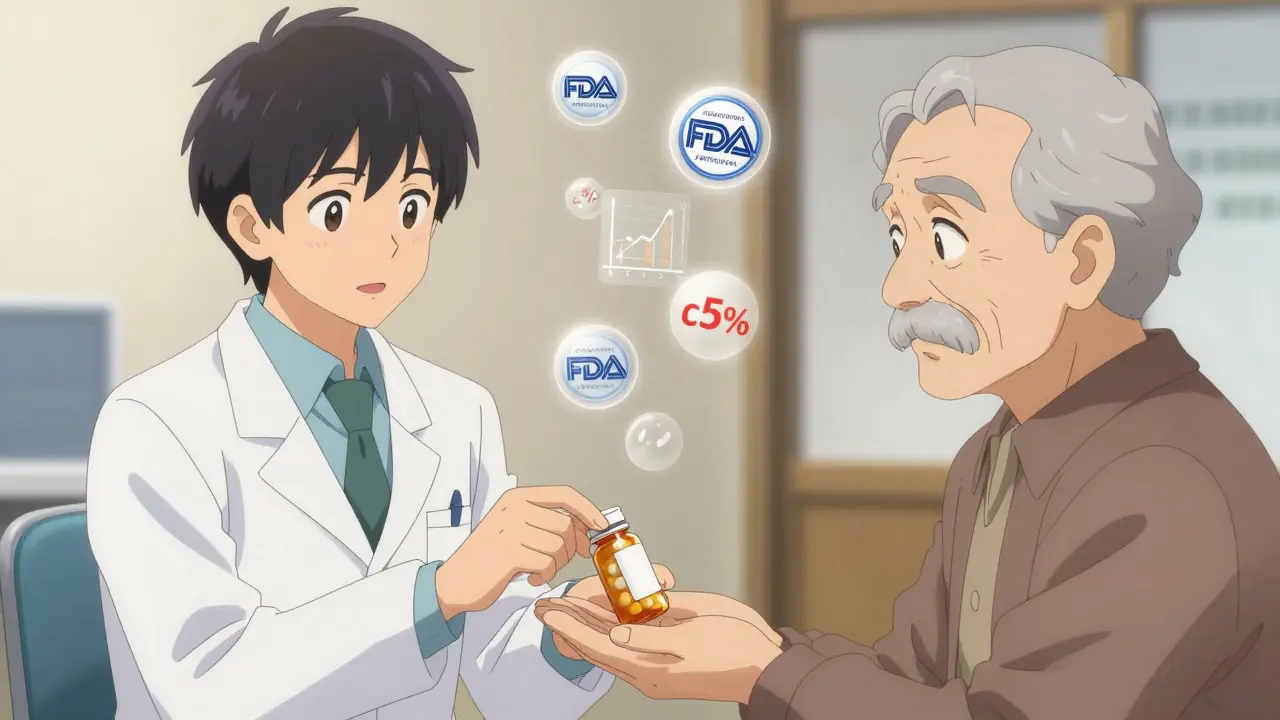
What’s Changing? And What’s Not
The tide is turning-slowly. In the U.S., 90% of prescriptions filled are for generics. But those generics make up only 23% of total drug spending. Why? Because people keep asking for the brand name. Even when they know the generic is cheaper. Even when they know it’s the same. In China, the government forced the issue. They cut prices by up to 90% on hundreds of drugs. Hospitals had to switch. Within two years, generic use jumped from 60% to 78%. People grumbled at first. Then they realized: their blood pressure was still controlled. Their diabetes was still managed. No side effects. Just less money spent. That’s the key. When people experience the result, their attitude changes. Not because they were convinced by a study. But because they lived it.How to Bridge the Gap
If you’re a patient over 50 and you’re skeptical of generics, here’s what you can do:- Ask your pharmacist: “Is this generic the same as my brand?”
- Check the FDA’s Orange Book online-yes, it’s public. You can look up your drug and see the generic matches.
- Try one. Give it a full cycle. Track how you feel. If nothing changes, you’ve saved money with no downside.
- Don’t say, “It’s the same.” Say, “This is the exact same medicine, just without the marketing costs.”
- Show them the FDA’s comparison chart. Print it out.
- Remind them: the active ingredient doesn’t change. The pill just looks different.
Generations Will Keep Shifting
By 2030, most people under 40 will have never paid full price for a brand-name drug. They’ll see generics as the default. The norm. The smart choice. Older generations won’t disappear overnight. But their influence will fade. As more people live longer, take more medications, and feel the pinch of rising costs, the pressure to switch will grow. The science is settled. Generics work. They’re safe. They’re identical. The only thing left to change? The story we tell ourselves about them.Are generic medications really as effective as brand-name drugs?
Yes. By law, generic medications must contain the same active ingredient, strength, dosage form, and route of administration as the brand-name version. They must also meet the same strict standards for purity, stability, and bioequivalence set by the FDA and similar agencies worldwide. In over 90% of cases, generics perform identically in the body. Any differences in side effects are usually due to inactive ingredients (like fillers), not the medicine itself.
Why do some people believe generics are less safe?
It’s mostly about familiarity and past experiences. Older adults often remember when generic manufacturing standards were looser, or they’ve heard stories from friends about bad experiences. Brand-name drugs have decades of advertising, which creates a psychological association between name and quality. Even when people know generics are safe, the emotional pull of a familiar brand can override logic. This isn’t about intelligence-it’s about how our brains process trust.
Do doctors prefer brand-name drugs over generics?
Most doctors support generics when they’re appropriate. But some still prescribe brand names out of habit, patient pressure, or lack of time to explain alternatives. Pharmacists are actually more likely to recommend generics because they see the cost savings daily and understand the regulatory process. The biggest barrier isn’t medical-it’s communication. If a doctor doesn’t explain why a generic is safe, patients assume it’s a compromise.
Can switching to a generic cause side effects?
Rarely. The active ingredient is identical, so the core effect doesn’t change. But sometimes, different fillers or coatings in generics can cause minor reactions in people with sensitivities-like a rash or upset stomach. If this happens, go back to your pharmacist or doctor. They can switch you to a different generic version or back to the brand. It’s not the medicine failing-it’s the inactive ingredients. These cases are uncommon and easily fixed.
Why don’t generic drugs have ads like brand-name ones?
Because generic manufacturers don’t have the same profit margins. Brand-name companies spend billions on marketing to build loyalty and justify high prices. Generics are sold at low margins, so there’s little money for TV ads. Instead, they rely on pharmacists and doctors to recommend them. That’s why patient education is so important-without marketing, people don’t know generics even exist as an option.
Is it true that generics are made in worse facilities?
No. The FDA inspects generic drug factories just as often as brand-name ones-and they follow the same rules. Many generic drugs are made in the same factories as brand-name versions. The only difference is the label on the bottle. In fact, some of the largest brand-name companies also make generics under different names. The product is the same. The cost is what changes.
How can I check if my generic drug is approved?
You can look up your drug in the FDA’s Orange Book (available online for free). Search by the brand name or active ingredient. If a generic is listed, it’s been approved as bioequivalent. You can also ask your pharmacist to show you the FDA approval code on the bottle. It’s there-just not always obvious.
Will my insurance cover generics?
Almost always-and at a much lower cost. Most insurance plans require you to try the generic first. If you insist on the brand, you’ll pay a higher co-pay or even the full price. Some plans don’t cover brand-name drugs at all unless the generic doesn’t work for you. Always check your plan’s formulary. It’s usually online.
Priscilla Kraft
January 12, 2026 AT 06:04OMG yes!! 🙌 I switched my mom to generic blood pressure meds last year and she was FREAKING OUT until I printed out the FDA comparison sheet. Now she says, 'Huh. So I’ve been paying $50 for a logo this whole time?' 😅 Saved her $600 a year. Also, she started asking her pharmacist about every med now. Small wins! 💪
Sam Davies
January 13, 2026 AT 03:47Oh wow. A whole essay on why boomers are too emotionally attached to pill branding. How novel. Next you’ll tell us they still think the internet is a fad and that ‘email’ is a verb. At least the millennials aren’t crying because their antidepressants came in a plain white bottle instead of a pastel one with a logo that screams ‘I’m premium, baby.’
Christian Basel
January 14, 2026 AT 08:39It’s not about trust-it’s about bioequivalence thresholds and pharmacokinetic variability. The FDA allows a 80-125% AUC range for generics, which, while statistically insignificant in population studies, can manifest clinically in narrow-therapeutic-index drugs like warfarin or levothyroxine. So yeah, skepticism isn’t irrational-it’s pharmacologically informed. Also, most prescribers don’t even know the difference between AB-rated and non-AB-rated generics. You’re conflating perception with evidence.
Jennifer Littler
January 15, 2026 AT 07:13Christian’s point is actually valid. I work in pharmacy and we get calls weekly from patients who say, ‘This generic made me dizzy.’ Turns out it’s a different filler-lactose vs. corn starch-and they’re mildly allergic. It’s not the active ingredient. But the system doesn’t track inactive ingredients well. We need better labeling. And yes, pharmacists need more time. We’re not just order-fillers. We’re the last line of defense against misinformation.
Jason Shriner
January 17, 2026 AT 01:27so like… the real villain here isn’t the boomers… it’s the pharmaceutical industrial complex. they sold us the dream. the brand name = safety. the logo = trust. the jingle = peace of mind. and now they’re like ‘lol jk here’s a white pill with no name and it’s 90% cheaper’… but the trauma sticks. we’re not dumb. we’re programmed. like Pavlov’s dogs… but with pills. and now we’re all just… stuck. in this emotional pharmacological purgatory.
Alfred Schmidt
January 18, 2026 AT 04:43YOU’RE ALL WRONG!! I’ve been on the same brand for 15 years and when I switched to generic, I had panic attacks, insomnia, and my hands shook for three days!! It wasn’t placebo-I felt it!! And now you people are just saying ‘it’s the same’ like it’s a math problem?? It’s not! It’s MY BODY!! I’ve been through chemo, I’ve lost my mom to bad meds, and now you want me to trust a bottle with no name?? NO!! I WILL NOT BE A LAB RAT!!
Sean Feng
January 19, 2026 AT 09:59Generics work. End of story. Stop overthinking it. People who don’t take them are just lazy or scared. Also, the FDA doesn’t lie. If you’re still paranoid, go to the pharmacy and ask for the manufacturer’s name. Most are the same as the brand. Done.
Vincent Clarizio
January 20, 2026 AT 23:48Let’s zoom out. This isn’t about pills. It’s about mortality. Every pill we swallow is a tiny negotiation with death. For the elderly, brand names are anchors-symbols of control in a world that’s slipping away. Generics? They’re the void. A blank space where meaning used to be. The logo wasn’t marketing-it was ritual. The blue pill wasn’t a drug-it was a covenant with their younger self, with their doctor, with the idea that science could be trusted. Now we’re asking them to trade that covenant for a barcode and a 40-dollar savings. That’s not just economics. That’s existential. And no, you can’t fix it with an FDA chart. You can’t rationalize grief. You can’t log in to the Orange Book and find peace. You have to sit with it. Hold their hand. Let them cry. Then hand them the generic. And say, ‘I’m here. You’re not alone.’ That’s the real bioequivalence.