
Health and Wellness — Straightforward advice on meds, supplements, and daily care
Want clear answers about medications, supplements, or simple ways to feel better every day? This page collects practical guides and short how-tos so you can make safer choices without the confusion. Read plain-language posts on common drugs, natural supplements, prevention tips, and what to ask your doctor.
Featured guides you’ll find useful
Need help with diabetes meds? Our piece on Actos (pioglitazone) explains how it lowers blood sugar, common side effects, and simple safety tips patients use. Worried about the flu but don’t want Tamiflu? Check the article on vaccine updates, nasal sprays, and antibody options to weigh your choices this season.
Looking for ED options? The 2025 comparison of tadalafil, vardenafil and new generics breaks down how each drug works, typical timing, and things to watch for if you’re over 40. If respiratory care is your concern, our Symbicort guide covers what to expect, common side effects, and how patients manage inhaler therapy.
Into supplements? We review a range from shark liver oil and bulbous buttercup to more niche options like gossypol, blond psyllium, and hyperimmune egg — what they claim to do, who might benefit, and basic safety notes. For sleep and stress, the melatonin article gives practical dosing tips and routines that help without confusion.
How to use these posts to stay safe and feel better
Start by reading the short summary of any article that matches your question. If it’s a medication topic, note the drug’s common side effects and any major interactions mentioned. For supplements, look for clear notes on who should avoid them (pregnant people, kids, certain medical conditions).
Quick practical tips: keep a list of all your meds and supplements, share it with your doctor, and ask directly about interactions. If a post suggests lifestyle changes—like sleep habits for melatonin or timing advice for ED meds—try one change at a time so you can see what helps.
For urgent or confusing symptoms (severe side effects, sudden chest pain, high fever), treat the web as a first step, not the last. Use these guides to prepare better questions for your clinician or pharmacist.
Want more? Browse the article list for topics like autoimmune treatments (azathioprine), antibiotic options (linezolid), common youth risks (energy drinks), and home prevention tips for scabies. Each post is written to be short, practical, and easy to act on.
If you’re not sure where to start, try a topic that affects your daily life: sleep, digestion, or a medicine you take regularly. Read one guide, note two concrete tips, and test them for a week. That small approach usually beats trying everything at once.

Pollen Forecasting Guide: How to Plan Outdoor Activities and Avoid Allergy Peaks
Learn how to use pollen forecasting to time your outdoor activities, avoid peak allergen hours, and reduce allergy symptoms using scientific data.

Preparing for Transplant: Evaluation, Waitlist, and Living Donors
Navigate the kidney transplant evaluation process with confidence. Learn about medical testing, waitlist realities, and living donor options to prepare for a successful outcome.

Cervical and Lumbar Radiculopathy: Nerve Pain and Rehabilitation That Actually Works
Cervical and lumbar radiculopathy cause nerve pain that travels down arms or legs. Most cases improve with targeted rehab, not surgery. Learn what actually works, what doesn't, and how to recover without long-term pain.

Colonoscopy Prep Tips: Getting a Clear Exam for Accurate Cancer Screening
Colonoscopy prep isn't just about drinking laxatives - it's about preventing cancer. Follow these clear, step-by-step tips to ensure your colon is clean, your exam is accurate, and you don't miss a single polyp.

Psoriatic Arthritis: How Skin Disease Triggers Joint Pain
Psoriatic arthritis links skin psoriasis to joint damage, affecting 1-2% of people. Early signs include nail changes, sausage-like fingers, and heel pain. Delayed diagnosis leads to permanent joint damage.

Exercise Modifications for Fatigue on Beta-Blockers and Other Drugs
Learn how to exercise safely when taking beta-blockers. Discover practical tips to manage fatigue, replace heart rate monitoring with the talk test and RPE scale, and adjust your workouts for better results without risking your health.

Ear Infections in Children: When to Use Antibiotics, Tubes, or Watchful Waiting
Learn when antibiotics, ear tubes, or watchful waiting are the right choices for ear infections in children. Evidence-based guidance to avoid unnecessary meds and protect hearing.
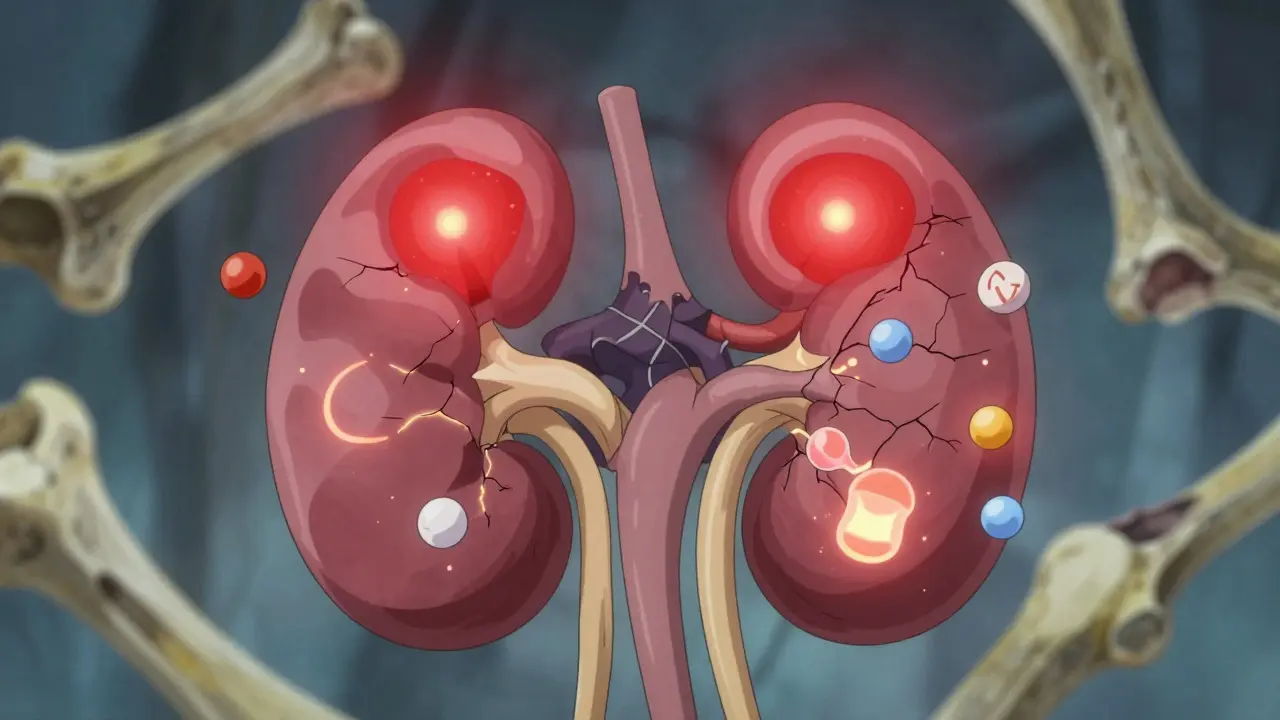
Mineral Bone Disorder in CKD: Understanding Calcium, PTH, and Vitamin D
CKD-MBD is a systemic disorder involving calcium, phosphate, PTH, and vitamin D imbalances that damage bones and blood vessels. Learn how it develops, how it's diagnosed, and how to manage it effectively in chronic kidney disease.

Cochlear Implant Candidacy: Who Qualifies and What to Expect
Cochlear implant candidacy is no longer limited to those who are completely deaf. Learn who qualifies today, what the evaluation involves, and how outcomes have improved with updated guidelines.

Teaching Children About Medication Safety at Home and School
Teach children how to recognize medicine, avoid accidental poisonings, and understand safe storage at home and school. Learn age-specific tips from experts and real-world programs that work.